
What Is Programmatic Advertising?
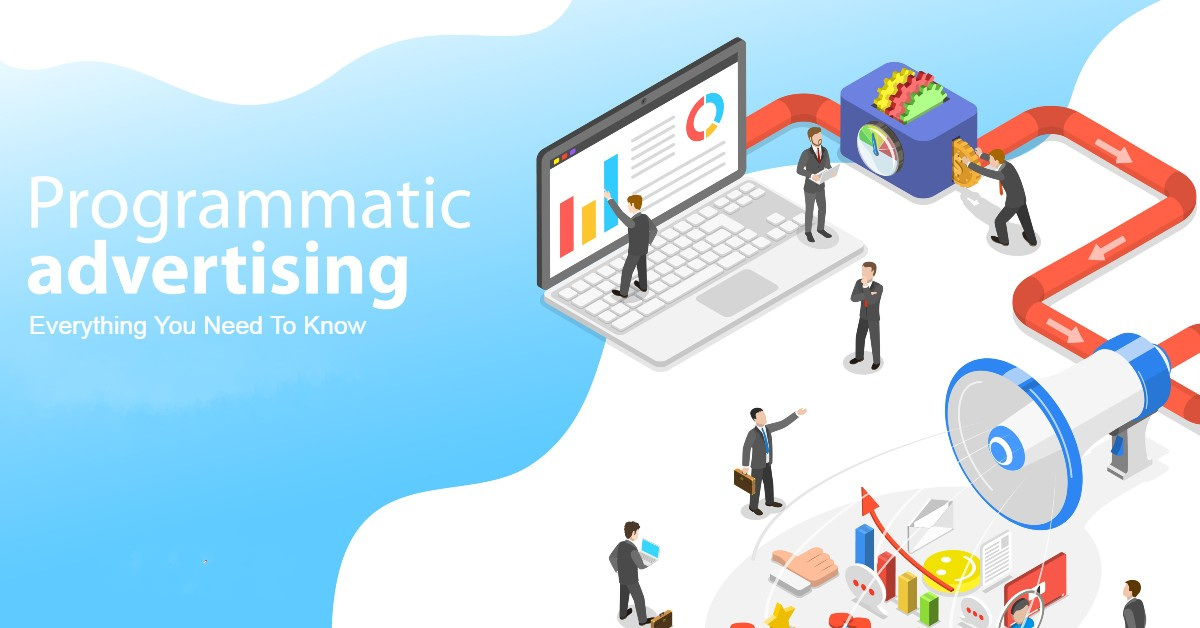
Programmatic advertising is one of the most advanced and influential developments in online advertising. While many people interact with programmatic ads every day, few truly understand what happens behind the scenes. If you’ve ever seen a highly relevant ad appear almost instantly after visiting a website or searching for a product, programmatic advertising was likely involved.
This article explains what programmatic advertising is, how it works, why it matters, and how businesses use it effectively. By the end, you’ll have a clear understanding of how automation and data drive modern digital advertising at scale.
Understanding Programmatic Advertising
Programmatic advertising refers to the automated buying and selling of digital advertising space using software, algorithms, and real-time data. Instead of negotiating ad placements manually, advertisers use technology to purchase impressions instantly and efficiently.
The key defining features of programmatic advertising are:
-
Automation
-
Real-time decision-making
-
Data-driven targeting
-
Scalable ad buying
Programmatic advertising replaces traditional manual ad buying processes with technology-powered systems.
How Programmatic Advertising Works
At the core of programmatic advertising is real-time bidding (RTB). This process happens in milliseconds when a user visits a website or app.
Here’s a simplified breakdown:
-
A user visits a website
-
The website offers ad space
-
An auction is triggered instantly
-
Advertisers bid on the impression
-
The highest-value ad is shown
All of this happens before the page fully loads.
Key Components of Programmatic Advertising
Programmatic advertising relies on several interconnected platforms.
Demand-Side Platform (DSP)
A DSP allows advertisers to buy ad inventory programmatically. Advertisers use DSPs to:
-
Set budgets
-
Define targeting
-
Upload creatives
-
Optimize campaigns
Examples include enterprise and self-serve platforms used by agencies and brands.
Supply-Side Platform (SSP)
An SSP helps publishers sell their ad inventory. Publishers use SSPs to:
-
Manage available ad space
-
Set minimum prices
-
Connect with multiple buyers
SSPs maximize revenue for publishers by exposing inventory to many advertisers.
Ad Exchange
An ad exchange is the marketplace where DSPs and SSPs connect. It facilitates real-time auctions and ensures ads are delivered efficiently.
Data Management Platform (DMP)
A DMP collects and organizes audience data. This data helps advertisers target users based on:
-
Demographics
-
Interests
-
Behavior
-
Past interactions
Data is what makes programmatic advertising so precise.
Types of Programmatic Advertising
Programmatic advertising is not limited to one format or buying method.
Real-Time Bidding (RTB)
RTB is the most common form. Ads are bought and sold impression by impression through live auctions.
Programmatic Direct
Programmatic direct involves pre-negotiated deals between advertisers and publishers, but delivery and optimization remain automated.
This method offers:
-
Guaranteed placements
-
Premium inventory
-
More control
Private Marketplaces (PMPs)
PMPs are invitation-only auctions where select advertisers can bid on premium inventory.
This combines automation with exclusivity.
Programmatic Advertising Formats
Programmatic technology supports many ad formats.
Common formats include:
-
Display ads
-
Video ads
-
Native ads
-
Audio ads
-
Mobile ads
-
Connected TV (CTV) ads
Programmatic is now used across nearly every digital channel.
Why Programmatic Advertising Is Important
Programmatic advertising has become dominant because it solves key challenges in digital advertising.
Efficiency
Automation reduces manual work, saving time and resources.
Scale
Advertisers can reach millions of users across thousands of websites with a single campaign.
Precision Targeting
Programmatic uses data to reach users based on behavior, context, and intent.
Real-Time Optimization
Campaigns can be adjusted instantly based on performance.
Targeting in Programmatic Advertising
Targeting is a major strength of programmatic advertising.
Common targeting methods include:
-
Demographic targeting
-
Geographic targeting
-
Behavioral targeting
-
Contextual targeting
-
Retargeting
-
Lookalike modeling
Advertisers can layer targeting options to reach highly specific audiences.
Programmatic Advertising vs Traditional Media Buying
Traditional media buying involves manual negotiations, fixed placements, and limited flexibility.
Programmatic advertising offers:
-
Faster execution
-
Better targeting
-
Performance-based optimization
-
Transparent reporting
This shift has transformed how digital ads are bought and sold.
Programmatic Advertising vs Social and Search Ads
While Google and social media ads use automation, programmatic advertising operates across a broader ecosystem of independent publishers.
Key differences:
-
Programmatic reaches the open web
-
Social ads operate within closed platforms
-
Search ads target intent directly
Many advertisers use programmatic alongside search and social for full-funnel coverage.
Measuring Programmatic Advertising Performance
Programmatic campaigns are measured using familiar online advertising metrics.
Common metrics include:
-
Impressions
-
CPM
-
CTR
-
Conversions
-
Viewability
-
ROAS
Advanced reporting allows advertisers to analyze performance by audience, placement, device, and time.
Brand Safety and Transparency
One concern with programmatic advertising is brand safety—ensuring ads don’t appear next to inappropriate content.
Modern solutions include:
-
Content filtering
-
Site blacklists and whitelists
-
Fraud detection tools
-
Third-party verification
Transparency has improved significantly as the industry matures.
Programmatic Advertising for Different Business Sizes
Large Enterprises
Large brands use programmatic for:
-
Global reach
-
Advanced targeting
-
Multi-channel campaigns
Small and Medium Businesses
Smaller businesses may access programmatic through:
-
Managed services
-
Simplified platforms
-
Retargeting campaigns
While programmatic can be complex, entry barriers are lowering.
Challenges of Programmatic Advertising
Despite its advantages, programmatic advertising has challenges.
Common challenges include:
-
Technical complexity
-
Data privacy regulations
-
Ad fraud risks
-
Learning curve
Successful programmatic campaigns require expertise and ongoing management.
The Role of AI in Programmatic Advertising
Artificial intelligence plays a growing role in programmatic advertising.
AI helps with:
-
Bid optimization
-
Audience modeling
-
Creative selection
-
Performance prediction
Automation continues to make programmatic more efficient and accessible.
The Future of Programmatic Advertising
Programmatic advertising continues to evolve rapidly.
Emerging trends include:
-
Connected TV advertising
-
Cookieless targeting solutions
-
Contextual intelligence
-
Cross-device attribution
As privacy regulations change, programmatic will adapt through new data strategies.
When Should You Use Programmatic Advertising?
Programmatic advertising is ideal when:
-
You want scale beyond social platforms
-
You need advanced targeting
-
You’re running awareness or retargeting campaigns
-
You want real-time optimization
It works best as part of a broader digital strategy.
Final Thoughts
Programmatic advertising represents the automation-driven future of online advertising. By using data, algorithms, and real-time bidding, it allows advertisers to reach the right audience at the right moment—at scale.
While it can be complex, programmatic advertising offers unmatched efficiency, precision, and flexibility. For businesses ready to embrace data-driven advertising beyond search and social, programmatic is a powerful and increasingly essential channel.
- Arts
- Business
- Computers
- Games
- Health
- Home
- Kids and Teens
- Money
- News
- Personal Development
- Recreation
- Regional
- Reference
- Science
- Shopping
- Society
- Sports
- Бизнес
- Деньги
- Дом
- Досуг
- Здоровье
- Игры
- Искусство
- Источники информации
- Компьютеры
- Личное развитие
- Наука
- Новости и СМИ
- Общество
- Покупки
- Спорт
- Страны и регионы
- World

 Russian
 French
 Spanish
 Portuguese
 Deutsch
 Turkish
 Dutch
Dutch
 Italiano
 Arabic
 Romaian
 Portuguese (Brazil)
 Greek
Greek
