
What Is Monetary Policy?
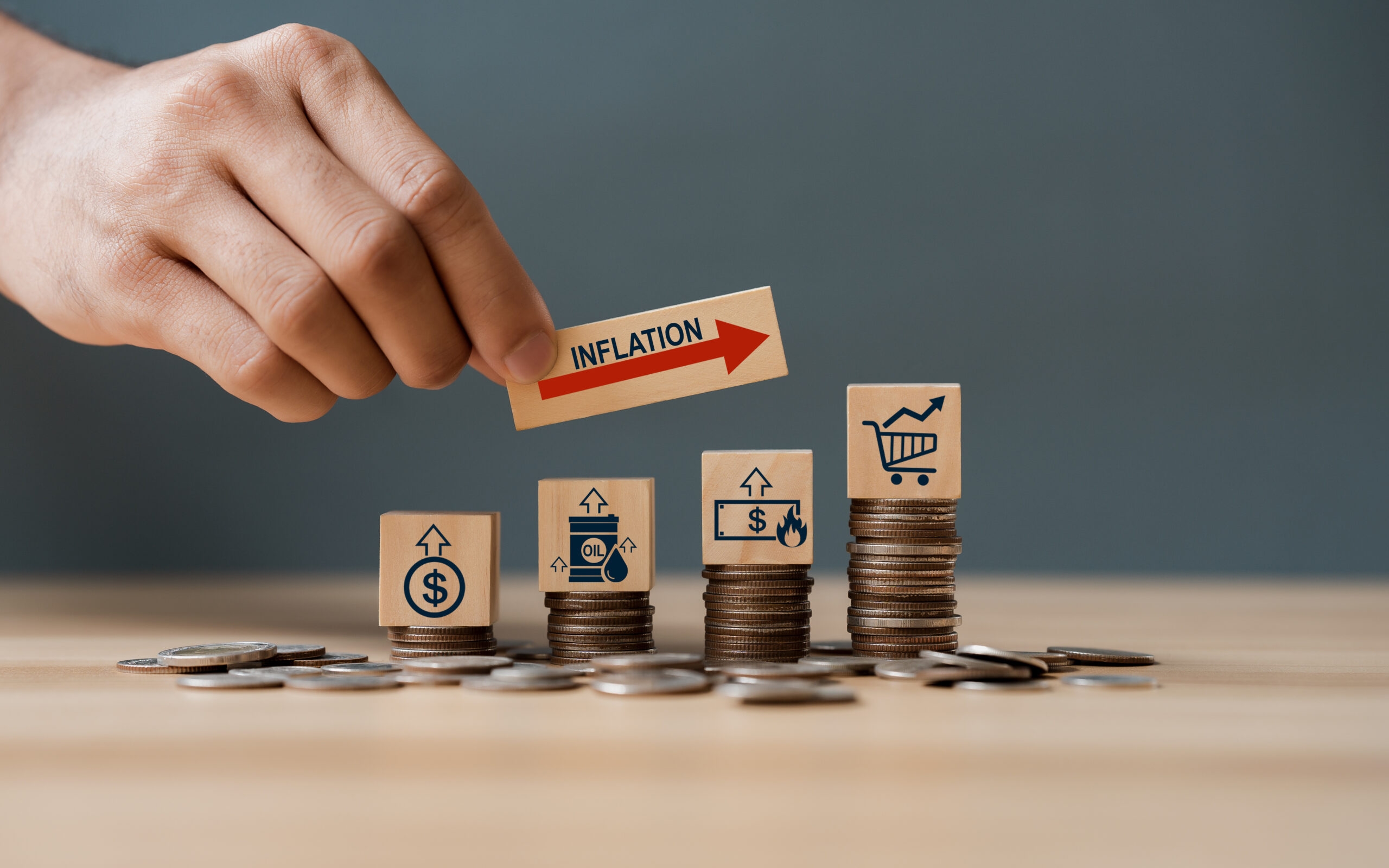
What Is Monetary Policy?
Monetary policy is one of the most important tools governments use to manage an economy. It refers to the actions taken by a country’s central bank to control the supply of money and credit in the economy, with the goal of promoting stable prices, sustainable economic growth, and high employment. Although monetary policy can sound technical, it affects everyday life in very real ways—such as interest rates on loans, inflation, job opportunities, and the overall cost of living.
The Purpose of Monetary Policy
The primary purpose of monetary policy is economic stability. Most central banks focus on three main goals:
-
Price stability – keeping inflation low and predictable
-
Maximum employment – supporting conditions where people who want to work can find jobs
-
Economic growth and stability – avoiding severe recessions or overheating economies
High inflation reduces purchasing power, while deflation (falling prices) can slow economic activity. Monetary policy aims to keep inflation at a moderate, stable level so households and businesses can plan confidently for the future.
Who Controls Monetary Policy?
Monetary policy is controlled by a country’s central bank. Examples include:
-
The Federal Reserve (Fed) in the United States
-
The European Central Bank (ECB) in the Eurozone
-
The Bank of England in the United Kingdom
Central banks are usually independent from elected governments. This independence helps ensure that monetary decisions are based on economic conditions rather than short-term political pressures.
Types of Monetary Policy
There are two main types of monetary policy:
1. Expansionary Monetary Policy
This is used when the economy is slowing down or in a recession. The goal is to encourage spending and investment.
Common features include:
-
Lowering interest rates
-
Increasing the money supply
-
Making borrowing cheaper
Lower interest rates encourage consumers to spend and businesses to invest, which can help boost economic activity and reduce unemployment.
2. Contractionary Monetary Policy
This is used when the economy is growing too fast and inflation is rising. The goal is to slow down spending.
Common features include:
-
Raising interest rates
-
Reducing the money supply
-
Making borrowing more expensive
By slowing demand, contractionary policy helps control inflation and prevent economic bubbles.
Tools of Monetary Policy
Central banks use several key tools to carry out monetary policy:
Interest Rates
The most well-known tool is the policy interest rate (such as the federal funds rate in the U.S.). This rate influences how much banks charge each other for short-term loans, which then affects interest rates for consumers and businesses.
-
Lower rates → more borrowing and spending
-
Higher rates → less borrowing and spending
Open Market Operations
Central banks buy or sell government bonds in financial markets.
-
Buying bonds puts more money into the economy
-
Selling bonds removes money from the economy
This helps regulate liquidity in the banking system.
Reserve Requirements
Banks are required to hold a certain percentage of deposits as reserves.
-
Lower reserve requirements → banks can lend more
-
Higher reserve requirements → banks lend less
This tool is used less often but can strongly affect credit availability.
Quantitative Easing (QE)
When traditional tools are not enough—especially during major crises—central banks may use quantitative easing. This involves purchasing large amounts of long-term securities to inject money into the economy and lower long-term interest rates.
How Monetary Policy Affects Everyday Life
Monetary policy may seem distant, but it directly affects individuals and businesses:
-
Loans and mortgages: Interest rate changes influence monthly payments
-
Savings: Higher interest rates can increase returns on savings accounts
-
Jobs: Economic growth supported by policy can lead to more employment
-
Prices: Inflation control affects the cost of food, housing, and services
For example, when interest rates rise, borrowing becomes more expensive, which may slow housing markets and consumer spending. When rates fall, people may be more willing to buy homes, cars, or start businesses.
Monetary Policy vs. Fiscal Policy
Monetary policy is often compared with fiscal policy, but they are not the same.
-
Monetary policy is controlled by central banks and focuses on money supply and interest rates.
-
Fiscal policy is controlled by governments and involves taxation and government spending.
Both policies work together to influence the economy, but they use different tools and institutions.
Challenges and Limitations
Monetary policy is powerful, but it has limits:
-
Time lags: It can take months or years for policy changes to fully affect the economy
-
Uncertainty: Economic forecasts are not always accurate
-
Low interest rate limits: Rates cannot be reduced much below zero
-
Unequal effects: Some groups may benefit more than others
Because of these challenges, central banks must carefully balance risks when making decisions.
Conclusion
Monetary policy is a central part of modern economic management. By controlling interest rates and the money supply, central banks aim to maintain stable prices, encourage employment, and support long-term economic growth. While it operates behind the scenes, monetary policy influences daily financial decisions, from borrowing and saving to job opportunities and living costs. Understanding how it works helps individuals better grasp how the economy responds to change and why central bank decisions matter.
- Arts
- Business
- Computers
- Jogos
- Health
- Início
- Kids and Teens
- Money
- News
- Personal Development
- Recreation
- Regional
- Reference
- Science
- Shopping
- Society
- Sports
- Бизнес
- Деньги
- Дом
- Досуг
- Здоровье
- Игры
- Искусство
- Источники информации
- Компьютеры
- Личное развитие
- Наука
- Новости и СМИ
- Общество
- Покупки
- Спорт
- Страны и регионы
- World

 English
 Russian
 French
 Spanish
 Deutsch
 Turkish
 Dutch
Dutch
 Italiano
 Arabic
 Romaian
 Portuguese (Brazil)
 Greek
Greek