
What Was the Brexit Referendum?
What Was the Brexit Referendum?
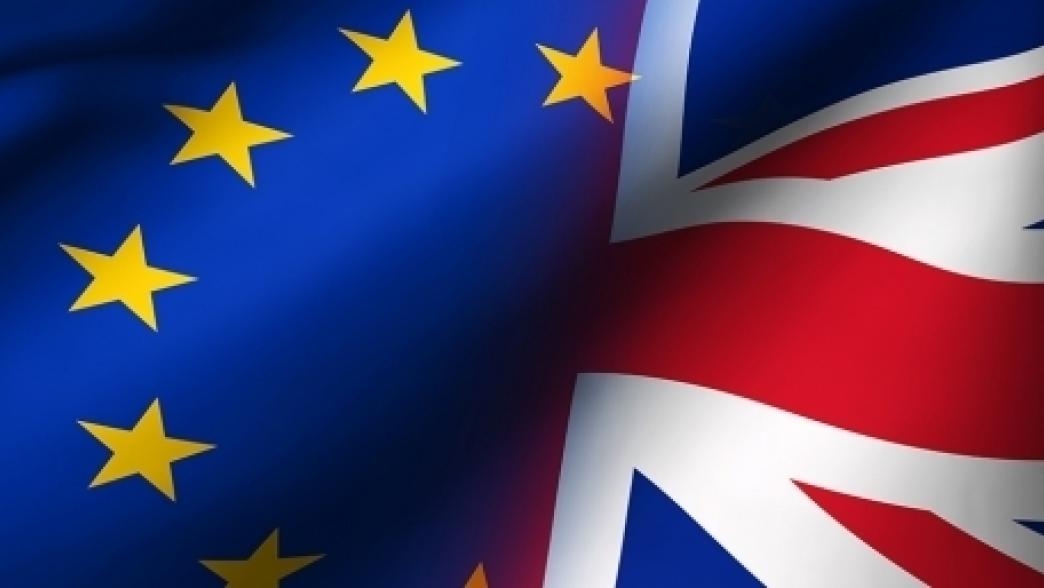
The Brexit referendum was a nationwide vote held by the United Kingdom (UK) on 23 June 2016 to decide whether the country should remain a member of the European Union (EU) or leave it. Officially called the United Kingdom European Union membership referendum, it was one of the most significant democratic events in modern British history because it determined the future political and economic relationship between the UK and the continental bloc of European countries.
The referendum was triggered by rising debate about EU membership within British politics, especially within the governing Conservative Party. Pressure from Eurosceptic members and political competition from the UK Independence Party (UKIP) pushed Prime Minister David Cameron to promise a public vote if his party won the 2015 general election. That promise became reality in June 2016.
The Voting Results
The question on the ballot was simple: “Should the United Kingdom remain a member of the European Union or leave the European Union?” Voters chose either “Remain a member of the European Union” or “Leave the European Union.”
Overall Outcome
-
Leave: 17,410,742 votes (51.9%)
-
Remain: 16,141,241 votes (48.1%)
-
Winning margin: 1,269,501 votes (3.8 percentage points)
-
Turnout: 72.2% of registered voters participated
These figures meant that a clear majority voted to leave the EU, making the UK the first member state to choose withdrawal through a public referendum.
Turnout and Participation
About 33.58 million people cast ballots out of 46.5 million registered to vote. The turnout was exceptionally high — higher than any UK-wide election since the 1992 general election — highlighting how important the decision was to many British voters.
Different demographic groups and regions showed significant variation in turnout and preferences. For example:
-
Scotland and Northern Ireland voted to remain in the EU.
-
England (except London) and Wales had majorities in favor of leaving.
-
London was the only English region with a majority voting to remain.
These contrasting results hinted at political and economic divides within the UK that would shape debates long after the vote.
Key Arguments in the Brexit Debate
The referendum was more than just a question of EU membership — it was a referendum on competing visions of the UK’s future. Both sides ran intense, high-profile campaigns with different priorities.
Arguments for “Leave”
The Leave campaign argued that leaving the EU would benefit the UK in several key ways:
1. Sovereignty and Control
A central claim was that the UK would regain control over its own laws, borders and courts. Supporters argued that EU membership meant too much power was exercised in Brussels rather than by the UK Parliament. The slogan “Take back control” became one of the defining phrases of the Leave campaign.
2. Immigration
Free movement of people within the EU meant that EU citizens could live and work in the UK without special visas. Leave supporters said this limited the UK’s ability to control immigration, putting pressure on public services and jobs — a key concern for many voters.
3. Economic Independence and Trade
Brexit proponents claimed that the UK could negotiate its own trade deals worldwide and reduce regulatory burdens without the EU, potentially boosting economic growth. They also argued that money sent to the EU budget could be better spent domestically.
4. Democratic Accountability
Leave supporters often framed EU institutions as distant and technocratic, arguing the referendum offered a chance to make UK politics more directly accountable to voters.
Arguments for “Remain”
The Remain campaign focused on the economic and security risks of leaving the EU:
1. Economic Risks
Pro-EU voices warned that Brexit could damage trade, jobs, investment, and economic stability. They argued that the UK benefited from free access to the EU’s single market — one of the world’s largest trading blocs — and that leaving could disrupt this advantage.
2. Jobs and Growth
Experts cited by the Remain side predicted potential job losses and reduced economic growth if the UK left the EU. The government sent out a pamphlet to households highlighting risks like increased costs of living and economic uncertainty.
3. Influence and Security Cooperation
Remain campaigners stressed that being part of the EU gave the UK greater influence on global issues like climate change, security, and foreign policy. They also pointed to cooperation on crime and terrorism through EU networks.
4. Stability and Predictability
The argument here was that staying in the EU offered a stable framework for laws, regulations, and international relations in an increasingly interconnected world. Leaving, by contrast, could create years of negotiation and uncertainty.
Aftermath and Historical Significance
The referendum result set in motion the UK’s formal process of EU withdrawal under Article 50 of the EU Treaty, which was triggered in March 2017. After prolonged negotiations with the European Union and extensions, the UK officially left the bloc on 31 January 2020, ending 47 years of membership.
Brexit reshaped British politics and public life, influencing debates on national identity, regional divisions (such as in Scotland and Northern Ireland), and the UK’s role in the world. It also had economic and social impacts that continue to be discussed and contested.
Conclusion
The Brexit referendum was a defining moment in the UK’s modern history — a high-turnout democratic vote that chose, by a narrow majority, to leave the European Union. It reflected deep disagreements over sovereignty, immigration, economics, and national direction. While the vote itself was clear, its long-term effects continue to unfold in British politics, society, and international relations.
- Arts
- Business
- Computers
- Jocuri
- Health
- Home
- Kids and Teens
- Money
- News
- Personal Development
- Recreation
- Regional
- Reference
- Science
- Shopping
- Society
- Sports
- Бизнес
- Деньги
- Дом
- Досуг
- Здоровье
- Игры
- Искусство
- Источники информации
- Компьютеры
- Личное развитие
- Наука
- Новости и СМИ
- Общество
- Покупки
- Спорт
- Страны и регионы
- World

 English
 Russian
 French
 Spanish
 Portuguese
 Deutsch
 Turkish
 Dutch
Dutch
 Italiano
 Arabic
 Portuguese (Brazil)
 Greek
Greek