
What Are the Consequences of Brexit?
What Are the Consequences of Brexit?
Economic, Political, and Social Impacts
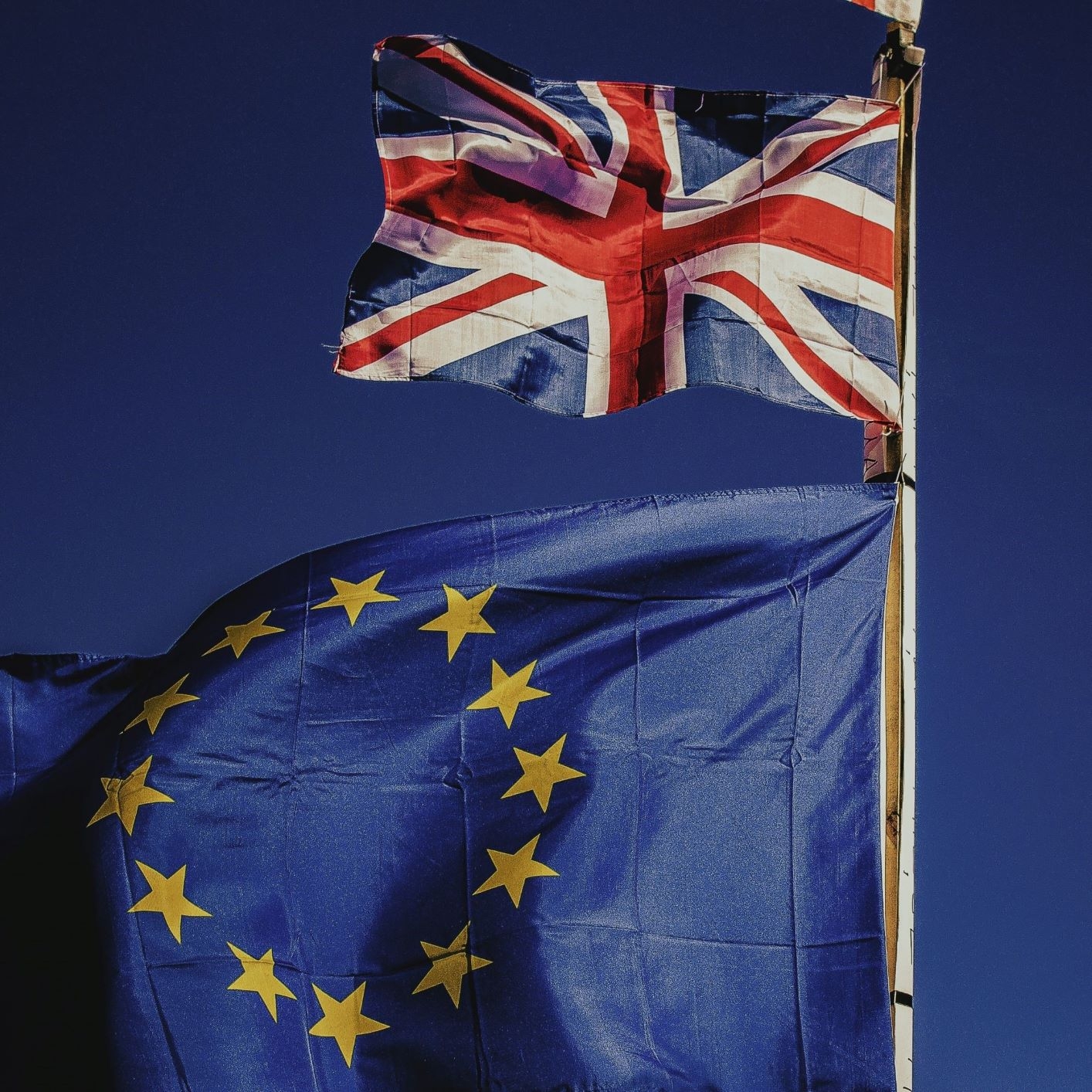
Brexit refers to the United Kingdom’s decision to leave the European Union (EU), following a national referendum in 2016 and the UK’s formal departure in 2020. Since then, the relationship between the UK and the EU has changed in many important ways. Brexit has affected trade, government policy, international influence, and everyday life for people across the UK and Europe. This article explores the main economic, political, and social consequences of Brexit.
Economic impacts
One of the most noticeable effects of Brexit has been on the economy, especially trade between the UK and the EU.
Before Brexit, the UK was part of the EU’s single market and customs union. This allowed goods, services, and workers to move freely across borders with very little paperwork. After leaving, new rules, checks, and border procedures were introduced. As a result, trading with the EU became slower, more complex, and more expensive for many businesses.
Small and medium-sized companies have been particularly affected. Many now face additional paperwork, product checks, and transport delays. Some firms stopped trading with EU countries altogether because the costs were too high or the rules were too complicated. Exporters of food, farming products, and manufactured goods have been especially affected because these goods often require health or safety checks.
Brexit has also influenced foreign investment. For many years, the UK was seen as a gateway to the European market. Some international companies chose to invest in the UK because it offered easy access to the EU. After Brexit, that advantage became weaker. While the UK still attracts investment, some businesses have moved parts of their operations to EU countries to avoid trade barriers.
Another economic issue is the impact on the labour market. Freedom of movement for EU citizens ended, which reduced the number of EU workers coming to the UK. Certain sectors such as health and social care, agriculture, hospitality, and transport have struggled to recruit enough staff. In some cases, this has led to higher costs for employers and shortages of workers.
Supporters of Brexit argued that the UK would be able to create its own trade deals with countries around the world. The UK has signed new trade agreements since leaving the EU. However, most of these deals are similar to agreements the UK previously had as an EU member, and so far they have not fully replaced the economic benefits of free trade with the EU.
Overall, Brexit has increased economic uncertainty, raised costs for many businesses, and created new barriers in the UK’s most important trading relationship.
Political impacts
Brexit has had a deep and lasting impact on British politics.
First, it has changed how laws are made. When the UK was part of the EU, some laws were created jointly with other EU members. After leaving, the UK gained more direct control over its own regulations in areas such as immigration, farming, and environmental policy. This has given the government more freedom to set national rules, which was one of the main goals of Brexit supporters.
However, greater independence also brings greater responsibility. The UK must now negotiate and manage many international agreements on its own, including trade, security cooperation, and scientific partnerships. This requires time, expertise, and political stability.
Brexit has also created long-term political divisions within the UK. The referendum result was close, and opinions about Brexit remain strongly divided. Political parties have struggled to develop clear and popular positions on how the UK should manage its new relationship with the EU.
Another major political consequence is its effect on the unity of the United Kingdom itself. Scotland voted strongly to remain in the EU. Since Brexit, there has been renewed debate about Scottish independence, with some people arguing that leaving the UK could allow Scotland to rejoin the EU in the future.
Northern Ireland has faced unique political challenges. Because it shares a land border with the Republic of Ireland, an EU member state, special arrangements were created to avoid border checks on the island of Ireland. This has led to trade controls between Northern Ireland and the rest of the UK. These arrangements have caused tension between political parties and have made governing Northern Ireland more difficult.
On the international stage, Brexit has also affected the UK’s influence. While the UK remains an important global country, it no longer takes part in EU decision-making. This reduces its ability to shape European policies on trade, climate, and security. The UK must now work more carefully through separate diplomatic relationships rather than through the EU’s collective power.
Social impacts
Beyond politics and the economy, Brexit has had important social effects.
One of the most direct changes has been in migration and mobility. EU citizens no longer have an automatic right to live and work in the UK, and UK citizens no longer enjoy free movement across EU countries. This has made it harder for people to study, work, retire, or join family members abroad.
Young people have been particularly affected. Opportunities such as studying or working freely across Europe are now more limited. Some exchange and training programmes that were previously open to UK students through the EU are no longer available or have been replaced by national schemes.
Brexit has also had emotional and cultural consequences. The referendum and its aftermath created strong disagreements within families, communities, and workplaces. In some cases, political identity became closely connected to personal identity, making discussions about Brexit more sensitive and sometimes more hostile.
For many EU citizens living in the UK, Brexit created uncertainty about their future. Although most were able to secure legal status, the process caused stress and concern, especially for older people and vulnerable groups. Similarly, UK citizens living in EU countries had to go through new legal procedures to protect their right to remain.
Another social impact is the changing way people think about national identity. For some, Brexit strengthened a sense of national independence and pride. For others, it increased feelings of isolation from Europe and reduced their sense of being part of a wider international community.
Public trust in politics has also been affected. The long and complicated process of leaving the EU, along with disagreements between politicians, delayed decisions, and changing promises, has led some people to feel frustrated or disillusioned with political leadership.
Conclusion
Brexit has reshaped the United Kingdom in economic, political, and social ways. Economically, it has created new barriers to trade, increased costs for businesses, and affected labour supply and investment. Politically, it has changed how laws are made, weakened the UK’s role in European decision-making, and increased tensions within the UK, especially in Scotland and Northern Ireland. Socially, it has limited mobility, affected communities and families, and deepened divisions over national identity and political trust.
While some supporters continue to see Brexit as an opportunity for greater independence and flexibility, many of its consequences have proven complex and difficult to manage. The full effects of Brexit are still developing, but it is clear that the decision has brought long-term changes to how the UK operates at home and interacts with the rest of the world.
- Arts
- Business
- Computers
- Giochi
- Health
- Home
- Kids and Teens
- Money
- News
- Personal Development
- Recreation
- Regional
- Reference
- Science
- Shopping
- Society
- Sports
- Бизнес
- Деньги
- Дом
- Досуг
- Здоровье
- Игры
- Искусство
- Источники информации
- Компьютеры
- Личное развитие
- Наука
- Новости и СМИ
- Общество
- Покупки
- Спорт
- Страны и регионы
- World

 English
 Russian
 French
 Spanish
 Portuguese
 Deutsch
 Turkish
 Dutch
Dutch
 Arabic
 Romaian
 Portuguese (Brazil)
 Greek
Greek