
How do I create a personal development plan?
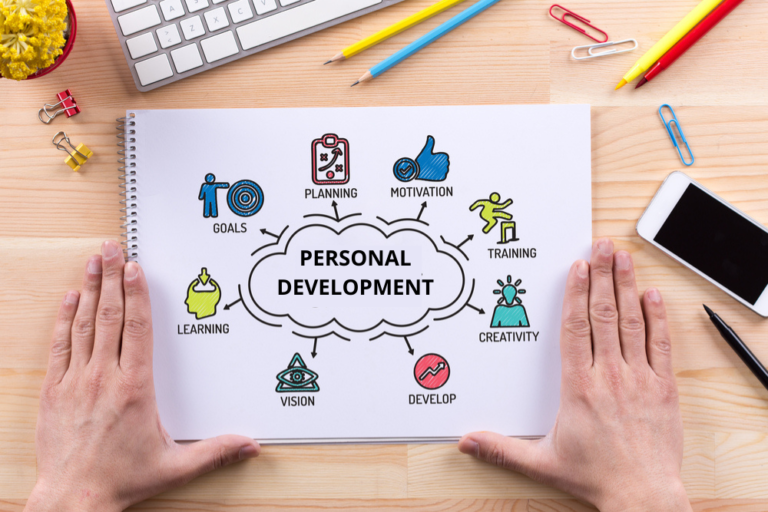
Creating a personal development plan is one of the most powerful ways to take control of your growth and move intentionally toward the person you want to become. While goals define what you want to achieve, a personal development plan (PDP) outlines how you will achieve it. It acts as a roadmap that connects your values, strengths, weaknesses, and aspirations into a clear, structured strategy.
A well-designed personal development plan helps you stay focused, track progress, and adapt as your life and priorities evolve. This article explains how to create a practical and effective personal development plan step by step.
What Is a Personal Development Plan?
A personal development plan is a written document that identifies your personal and professional goals, assesses your current abilities, and outlines the actions you will take to improve specific skills or areas of your life.
It typically includes:
-
A self-assessment
-
Long-term and short-term goals
-
Key focus areas
-
Action steps
-
Timelines
-
Methods for tracking progress
Unlike vague intentions, a PDP turns self-improvement into a concrete and manageable process.
Why You Need a Personal Development Plan
Many people want to grow but rely on motivation alone. Motivation fluctuates, but a plan provides structure and consistency.
A personal development plan helps you:
-
Clarify what truly matters to you
-
Prioritize your efforts
-
Avoid feeling overwhelmed
-
Stay accountable
-
Measure improvement over time
Instead of reacting to life, you begin shaping it deliberately.
Step 1: Conduct an Honest Self-Assessment
The foundation of a strong personal development plan is self-awareness. Before deciding what to improve, you must understand where you currently stand.
Consider the following areas:
Strengths
What do you do well? What skills or traits do others often compliment?
Weaknesses
What skills need improvement? What habits hold you back?
Values
What principles guide your decisions? (e.g., growth, integrity, independence, connection)
Current Challenges
What areas of life feel most stressful or unsatisfying?
Aspirations
What kind of person do you want to become in the long term?
Writing these answers down creates clarity and reveals patterns.
Step 2: Define Your Long-Term Vision
Your personal development plan should align with a broader vision of your life. This doesn’t need to be perfectly detailed, but it should provide direction.
Ask yourself:
-
How do I want to think and feel most days?
-
What kind of relationships do I want?
-
What skills do I want to be known for?
-
What does a fulfilling life look like to me?
Your long-term vision acts as a compass for choosing meaningful goals.
Step 3: Identify Key Development Areas
Based on your self-assessment and vision, choose a few focus areas. Common categories include:
-
Mindset and mental health
-
Habits and discipline
-
Communication and relationships
-
Emotional intelligence
-
Productivity and focus
-
Confidence and self-belief
-
Learning and adaptability
Limit yourself to two or three primary areas at a time to avoid overload.
Step 4: Set Clear Personal Development Goals
Once your focus areas are defined, create specific goals for each.
For example:
-
Improve public speaking confidence
-
Build consistent morning routines
-
Develop better emotional regulation
Make goals clear and concrete rather than vague.
You can use the SMART framework:
-
Specific
-
Measurable
-
Achievable
-
Relevant
-
Time-bound
Example:
“I will practice speaking in front of a mirror for five minutes, five days per week for the next two months.”
Step 5: Break Goals Into Action Steps
Large goals become achievable when broken into small, practical actions.
Example:
Goal: Improve communication skills
Action steps:
-
Read one book on communication
-
Watch one instructional video per week
-
Practice active listening daily
-
Ask for feedback monthly
Action steps should be simple enough to start immediately.
Step 6: Create a Timeline
Assign approximate timeframes to your goals and actions. This prevents endless postponement and creates gentle urgency.
You might structure your timeline as:
-
Daily habits
-
Weekly practices
-
Monthly milestones
-
Quarterly reviews
Avoid unrealistic deadlines. Sustainable progress matters more than speed.
Step 7: Choose Tools and Resources
Identify resources that will support your growth, such as:
-
Books and articles
-
Online courses
-
Podcasts
-
Mentors or coaches
-
Journals or habit trackers
Having resources ready reduces friction and increases follow-through.
Step 8: Build Accountability Into Your Plan
Accountability increases consistency.
Ways to create accountability:
-
Share goals with a trusted person
-
Track progress in a journal or app
-
Schedule weekly check-ins with yourself
-
Use visual reminders
Accountability doesn’t require pressure—it requires awareness.
Step 9: Monitor Progress Regularly
Your personal development plan should be a living document, not something you create once and forget.
Review regularly:
-
What is working?
-
What feels difficult?
-
What progress have I made?
-
What needs adjustment?
Reflection turns experience into insight.
Step 10: Adjust and Evolve Your Plan
As you grow, your priorities will change. Some goals will be completed, others may lose relevance.
Updating your plan is a sign of growth, not failure.
Be flexible:
-
Modify goals that no longer fit
-
Increase difficulty as skills improve
-
Add new focus areas when appropriate
A good personal development plan evolves with you.
Common Mistakes to Avoid
-
Trying to change everything at once
-
Setting unrealistic expectations
-
Relying only on motivation
-
Being overly self-critical
-
Ignoring rest and well-being
Progress comes from consistency, not perfection.
Final Thoughts
Creating a personal development plan is an act of self-respect. It means you are choosing to invest in your future and take responsibility for your growth. A clear plan transforms personal development from an abstract idea into a practical, repeatable process.
You do not need a perfect plan to begin. You only need a simple, honest one. Start where you are, take small steps, and refine along the way. Over time, those small steps compound into meaningful, lasting change.
- Arts
- Business
- Computers
- Giochi
- Health
- Home
- Kids and Teens
- Money
- News
- Personal Development
- Recreation
- Regional
- Reference
- Science
- Shopping
- Society
- Sports
- Бизнес
- Деньги
- Дом
- Досуг
- Здоровье
- Игры
- Искусство
- Источники информации
- Компьютеры
- Личное развитие
- Наука
- Новости и СМИ
- Общество
- Покупки
- Спорт
- Страны и регионы
- World

 English
 Russian
 French
 Spanish
 Portuguese
 Deutsch
 Turkish
 Dutch
Dutch
 Arabic
 Romaian
 Portuguese (Brazil)
 Greek
Greek