
How do I build better habits?
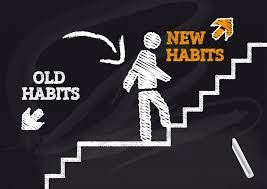
How Do I Build Better Habits?
Habits shape nearly every aspect of our lives. From how we start our mornings to how we manage stress, eat, work, and rest, much of our daily behavior runs on autopilot. The quality of your habits largely determines the quality of your outcomes. If you want better health, stronger relationships, increased productivity, or personal growth, the most reliable path is not sudden bursts of motivation—it is the gradual construction of better habits.
Building better habits is not about becoming a different person overnight. It is about designing systems that make positive behaviors easier and negative behaviors harder. This article explores how habits work, why change is often difficult, and practical, research-backed strategies you can use to build habits that last.
Understanding What Habits Are
A habit is a behavior that has become automatic through repetition. Over time, your brain learns to associate certain cues with certain actions, followed by a reward. This process is often described as the habit loop:
-
Cue – A trigger that signals your brain to initiate a behavior
-
Routine – The behavior itself
-
Reward – The benefit you gain from completing the behavior
For example, feeling tired (cue) leads you to drink coffee (routine), which gives you energy (reward). Once this loop is repeated enough times, it becomes ingrained.
Understanding this loop is essential because changing a habit usually means changing one part of the loop—often the routine—while keeping the same cue and reward.
Why Building Habits Feels Hard
Many people struggle with habits because they rely too heavily on motivation. Motivation fluctuates. Some days you feel driven and focused; other days you feel exhausted and unmotivated. Habits, on the other hand, function best when they do not depend on how you feel.
Common obstacles include:
-
Setting goals that are too big or vague
-
Trying to change too many habits at once
-
Expecting fast results
-
Being overly critical after mistakes
Recognizing these challenges allows you to approach habit-building with patience and realism.
Start With Clarity
Before building a habit, you need to be clear about what you want and why you want it.
Instead of saying:
“I want to exercise more.”
Say:
“I want to walk for 20 minutes after dinner, five days a week.”
Specificity transforms vague desires into actionable plans. Ask yourself:
-
What exact behavior do I want to build?
-
When will I do it?
-
Where will I do it?
The clearer the behavior, the easier it is to repeat.
Focus on Small Changes
One of the most powerful principles of habit formation is starting small.
Rather than committing to an hour of reading each day, start with five minutes. Instead of trying to overhaul your entire diet, begin by adding one serving of vegetables daily.
Small habits:
-
Feel achievable
-
Reduce resistance
-
Build confidence
-
Create momentum
Once a habit is consistent, you can gradually increase its intensity or duration.
Attach New Habits to Existing Ones
This technique, often called habit stacking, involves linking a new habit to something you already do consistently.
For example:
-
After I brush my teeth, I will floss one tooth.
-
After I pour my morning coffee, I will read one page of a book.
-
After I sit at my desk, I will write one sentence.
By using an existing habit as a cue, you remove the need to remember or decide.
Design Your Environment for Success
Your surroundings strongly influence your behavior. A well-designed environment makes good habits easier and bad habits harder.
Examples:
-
Place a water bottle on your desk to encourage hydration
-
Keep healthy snacks visible and junk food out of sight
-
Lay out workout clothes the night before
-
Remove distracting apps from your phone
Instead of relying on willpower, shape your environment so the desired behavior becomes the default.
Make Habits Attractive
You are more likely to repeat behaviors that feel rewarding. If a habit feels boring or unpleasant, it will be harder to sustain.
Ways to increase attractiveness:
-
Pair the habit with something you enjoy (listening to music while cleaning)
-
Track progress visually (checklists, streak calendars)
-
Celebrate small wins
When your brain associates positive emotion with a habit, repetition becomes easier.
Use Consistency Over Perfection
Missing one day does not ruin a habit. What matters is avoiding long streaks of inactivity.
Adopt the mindset:
“Never miss twice.”
If you skip a workout today, aim to return tomorrow. If you break your routine, restart immediately without self-judgment.
Consistency builds identity. Each repetition reinforces the idea:
“I am the type of person who does this.”
Tie Habits to Identity
Long-term habits are strongest when they align with how you see yourself.
Instead of focusing only on outcomes:
-
“I want to lose weight.”
Shift to: -
“I am someone who takes care of my body.”
Instead of:
-
“I want to write a book.”
Shift to: -
“I am a writer who writes regularly.”
When a habit becomes part of your identity, it feels natural rather than forced.
Track and Review Progress
Tracking makes habits visible. What gets measured gets managed.
Simple tracking methods include:
-
Habit-tracking apps
-
Bullet journals
-
Wall calendars
-
Checklists
Periodically review:
-
Which habits are sticking?
-
Which feel difficult?
-
What adjustments could help?
Reflection allows you to refine your approach instead of quitting.
Be Patient With the Process
There is no universal number of days required to form a habit. The timeline varies depending on complexity, frequency, and individual differences. What matters most is repetition over time.
Expect gradual improvement, not instant transformation. Sustainable change is built through hundreds of small actions, not one dramatic moment.
Replace, Don’t Just Remove, Bad Habits
Trying to eliminate a habit without a replacement often leaves a void. Since habits usually serve a purpose, find a healthier behavior that provides a similar reward.
For example:
-
Replace scrolling social media with reading when bored
-
Replace sugary snacks with fruit for quick energy
-
Replace late-night TV with a calming bedtime routine
This approach preserves the reward while improving the routine.
Build Systems, Not Just Goals
Goals define what you want. Systems define how you live.
Instead of focusing solely on reaching a destination, focus on creating daily processes that move you forward. A strong system ensures progress even on days when motivation is low.
Final Thoughts
Building better habits is not about willpower or perfection. It is about clarity, consistency, and thoughtful design. Start small. Make habits rememberable, attractive, and easy. Expect setbacks, but treat them as part of the learning process rather than failure.
Over time, these small changes compound. The habits you practice today quietly shape the person you become tomorrow. By choosing your habits intentionally, you choose your future.
- Arts
- Business
- Computers
- Giochi
- Health
- Home
- Kids and Teens
- Money
- News
- Personal Development
- Recreation
- Regional
- Reference
- Science
- Shopping
- Society
- Sports
- Бизнес
- Деньги
- Дом
- Досуг
- Здоровье
- Игры
- Искусство
- Источники информации
- Компьютеры
- Личное развитие
- Наука
- Новости и СМИ
- Общество
- Покупки
- Спорт
- Страны и регионы
- World

 English
 Russian
 French
 Spanish
 Portuguese
 Deutsch
 Turkish
 Dutch
Dutch
 Arabic
 Romaian
 Portuguese (Brazil)
 Greek
Greek
