
What is Time Blocking?
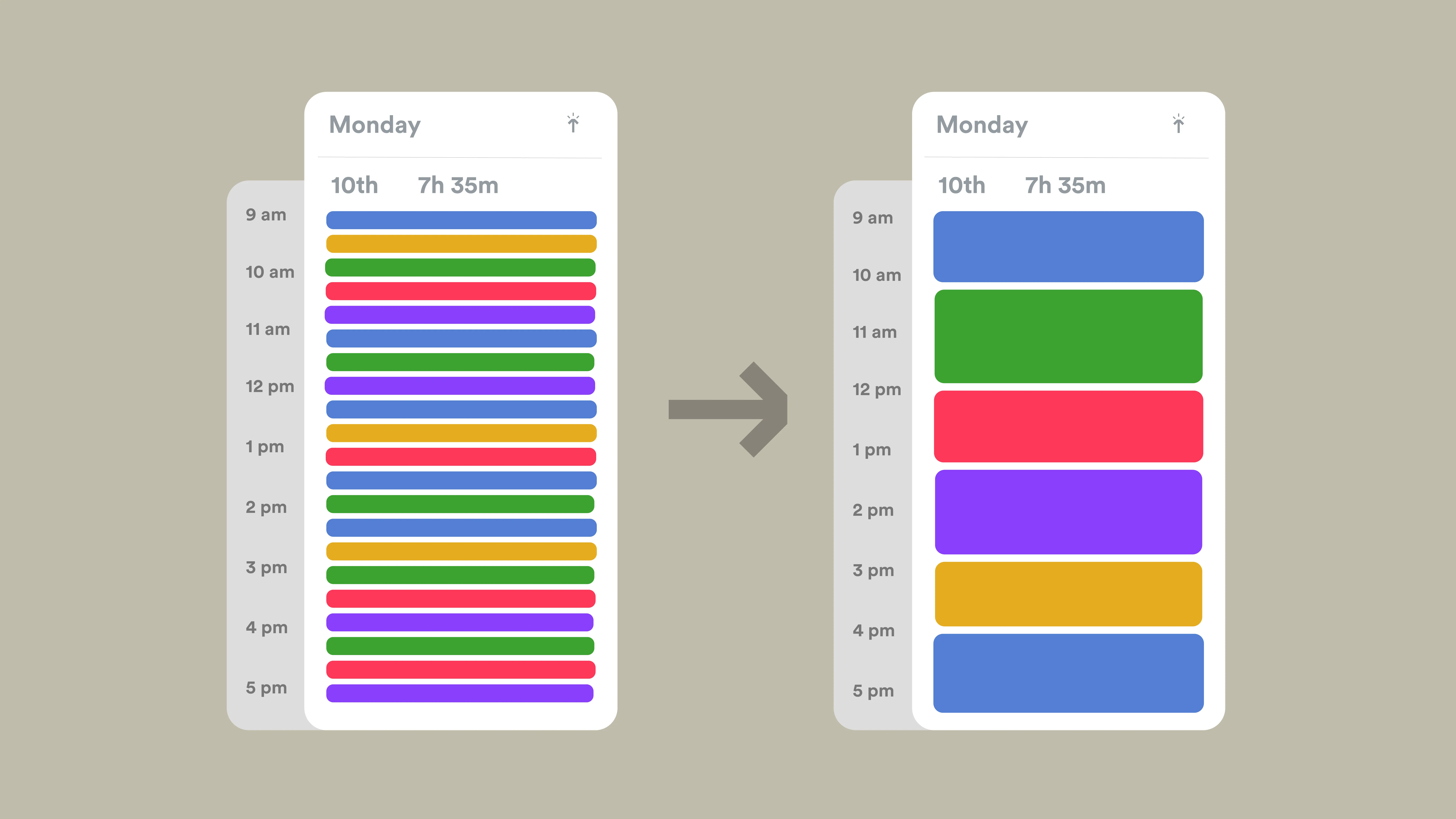
What is Time Blocking?
Time blocking is a time management technique that involves dividing your day into distinct blocks of time, each dedicated to a specific task or activity. Unlike a simple to-do list, time blocking schedules when and for how long you will work on each task, helping you stay focused, reduce procrastination, and increase productivity.
How Time Blocking Works
The basic idea is simple: instead of working on tasks as they come up, you assign specific time slots to each task in advance. For example:
-
9:00–10:00 AM: Respond to emails
-
10:00–11:30 AM: Work on project report
-
11:30–12:00 PM: Team meeting
-
1:00–2:00 PM: Research and planning
By committing to these blocks, you create a structured routine that helps your brain focus on one task at a time, rather than constantly switching between tasks.
Benefits of Time Blocking
-
Enhanced Focus – Working on one task during a dedicated block reduces distractions and multitasking.
-
Better Productivity – Assigning time limits encourages you to work efficiently.
-
Improved Planning – Helps you see exactly how your day will unfold and prevents overcommitting.
-
Reduced Procrastination – Knowing when a task is scheduled makes it easier to start.
-
Work-Life Balance – You can also block time for breaks, exercise, and leisure, ensuring a balanced day.
How to Get Started with Time Blocking
-
List Your Tasks – Write down everything you need to do for the day or week.
-
Estimate Time Needed – Approximate how long each task will take.
-
Create Blocks – Assign specific time periods for each task. Include buffer time for unexpected events.
-
Use Tools – Digital calendars (like Google Calendar, Outlook) or apps like Trello, Notion, or Todoist make it easier to create and adjust blocks.
-
Review and Adjust – At the end of the day, evaluate which blocks worked well and adjust for the next day.
Tips for Effective Time Blocking
-
Prioritize Important Tasks First: Schedule high-priority tasks during your peak energy hours.
-
Batch Similar Tasks: Group similar activities (e.g., emails, calls) together to minimize switching costs.
-
Include Breaks: Short breaks between blocks help maintain focus and prevent burnout.
-
Be Flexible: Unexpected events happen. Adjust your blocks when necessary without abandoning the system.
-
Color-Code Blocks: Visual differentiation can make your schedule easier to read at a glance.
Final Thoughts
Time blocking transforms how you approach your day. By dedicating specific blocks of time to each task, you gain clarity, structure, and control over your schedule. Over time, it can help you accomplish more in less time, reduce stress, and create a balanced, intentional routine.
- Arts
- Business
- Computers
- Spellen
- Health
- Home
- Kids and Teens
- Money
- News
- Personal Development
- Recreation
- Regional
- Reference
- Science
- Shopping
- Society
- Sports
- Бизнес
- Деньги
- Дом
- Досуг
- Здоровье
- Игры
- Искусство
- Источники информации
- Компьютеры
- Личное развитие
- Наука
- Новости и СМИ
- Общество
- Покупки
- Спорт
- Страны и регионы
- World

 English
 Russian
 French
 Spanish
 Portuguese
 Deutsch
 Turkish
 Italiano
 Arabic
 Romaian
 Portuguese (Brazil)
 Greek
Greek
