
What is the Pomodoro Technique?
What Is the Pomodoro Technique?
The Pomodoro Technique is a time-management method designed to improve focus, reduce mental fatigue, and increase productivity by breaking work into short, structured intervals. It was developed in the late 1980s by Francesco Cirillo and has since become one of the most widely used productivity systems in the world.
At its core, the technique is simple: work in focused bursts, take regular breaks, and repeat. This rhythm helps maintain high concentration while preventing burnout.
The Core Concept
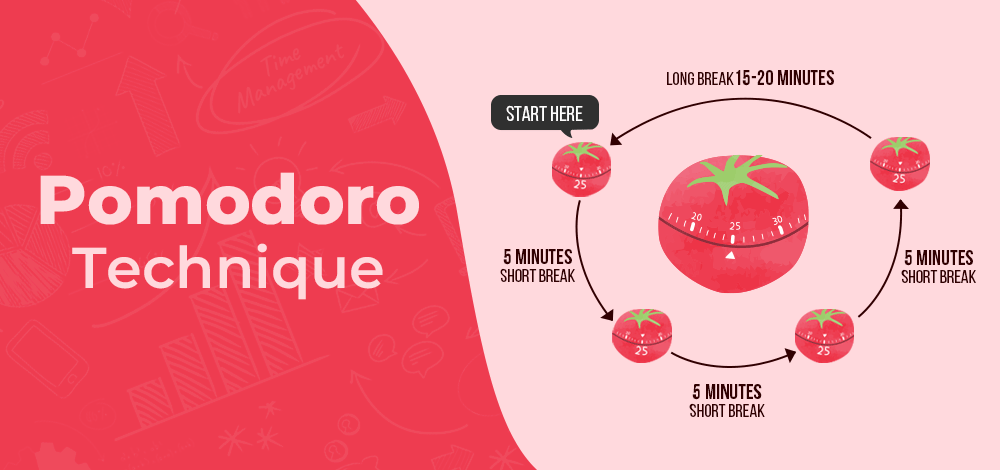
The Pomodoro Technique is built around a repeating cycle:
-
Choose a single task to work on
-
Set a timer for 25 minutes (one Pomodoro)
-
Work with full focus until the timer rings
-
Take a 5-minute break
-
After four Pomodoros, take a longer break (15–30 minutes)
Each 25-minute session is treated as an indivisible unit of work. If you are interrupted, you either end the session or note the interruption and return quickly.
Why It Works
1. Encourages Deep Focus
Short, time-boxed sessions reduce the psychological resistance to starting. Committing to “just 25 minutes” feels manageable, even for difficult tasks.
2. Reduces Procrastination
Knowing a break is coming soon makes it easier to stay engaged and resist distractions.
3. Prevents Mental Fatigue
Frequent breaks give your brain time to recover, helping you maintain consistent performance throughout the day.
4. Improves Time Awareness
Tracking Pomodoros builds a realistic understanding of how long tasks actually take.
5. Creates a Sustainable Work Rhythm
Instead of long, exhausting sessions, you establish a steady pace that supports long-term productivity.
How to Use the Pomodoro Technique Effectively
Step 1: Plan Your Tasks
Write a short list of tasks you want to complete for the day. Break large projects into smaller, actionable steps.
Step 2: Eliminate Distractions
Silence notifications, close unnecessary tabs, and prepare everything you need before starting a Pomodoro.
Step 3: Commit Fully
During a Pomodoro, work only on the chosen task—no multitasking.
Step 4: Take Real Breaks
Step away from your workspace, stretch, hydrate, or walk. Avoid activities that pull you into another long focus loop (like social media).
Step 5: Review and Adjust
At the end of the day, reflect on how many Pomodoros each task required and refine future estimates.
Variations of the Pomodoro Technique
While the classic structure is 25/5 minutes, many people adapt it:
-
Longer Focus Sessions – 40–50 minutes with 10-minute breaks
-
Shorter Sessions – 15–20 minutes for highly demanding or creative work
-
Task-Based Pomodoros – Complete one Pomodoro per subtask instead of tracking time
The key principle is maintaining a balance between focus and rest.
Who Benefits Most from the Pomodoro Technique?
-
Students studying for exams
-
Knowledge workers and programmers
-
Writers and creatives
-
People who struggle with procrastination
-
Individuals with attention regulation challenges
Anyone who wants more structure and consistency can benefit.
Common Mistakes to Avoid
-
Skipping breaks
-
Multitasking during Pomodoros
-
Setting unrealistic task lists
-
Treating timers as flexible rather than firm
-
Letting interruptions derail entire sessions
Consistency matters more than perfection.
Tools That Support the Pomodoro Technique
You can use:
-
A physical kitchen timer
-
Smartphone timer
-
Dedicated Pomodoro apps
-
Browser extensions
Choose a tool that feels simple and unobtrusive.
Final Thoughts
The Pomodoro Technique is effective because it aligns with how the brain naturally works—short bursts of focus followed by rest. It transforms overwhelming workloads into manageable units, making it easier to start, stay engaged, and finish tasks.
If you’re looking for a practical, proven method to improve productivity, the Pomodoro Technique is an excellent place to begin.
- Arts
- Business
- Computers
- الألعاب
- Health
- الرئيسية
- Kids and Teens
- مال
- News
- Personal Development
- Recreation
- Regional
- Reference
- Science
- Shopping
- Society
- Sports
- Бизнес
- Деньги
- Дом
- Досуг
- Здоровье
- Игры
- Искусство
- Источники информации
- Компьютеры
- Личное развитие
- Наука
- Новости и СМИ
- Общество
- Покупки
- Спорт
- Страны и регионы
- World

 English
 Russian
 French
 Spanish
 Portuguese
 Deutsch
 Turkish
 Dutch
Dutch
 Italiano
 Romaian
 Portuguese (Brazil)
 Greek
Greek