
What Does Development Economics Study?
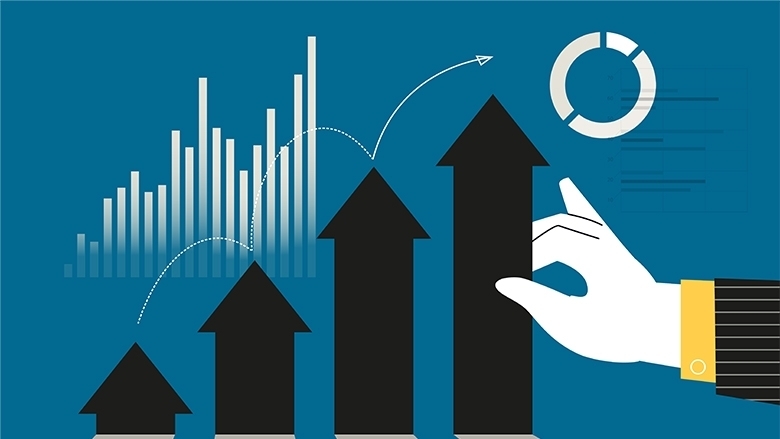
What Does Development Economics Study?
Development economics is a branch of economics that focuses on improving the economic, social, and institutional conditions of low- and middle-income countries. While traditional economics often studies how markets function in general, development economics specifically examines why some countries remain poor, why others grow rapidly, and what policies or strategies can help improve living standards. At its core, development economics studies the process through which nations move from conditions of widespread poverty to higher levels of income, productivity, and human well-being.
The Meaning and Goals of Development Economics
Development economics seeks to understand the factors that influence economic growth and human development in less developed regions. The field emerged strongly after World War II, when many newly independent countries in Asia, Africa, and Latin America faced serious challenges such as poverty, unemployment, low industrial capacity, and limited infrastructure. Economists began to investigate why these economies were not developing at the same pace as industrialized nations.
The primary goal of development economics is not simply to increase national income but to improve overall living standards. This includes better access to education, healthcare, housing, and employment opportunities. Development economists also examine how growth can be inclusive and sustainable so that benefits reach the majority of the population rather than a small group.
Poverty and Inequality
One of the central subjects studied in development economics is poverty. Economists analyze the causes, measurement, and consequences of poverty in developing countries. Poverty can arise from several factors, including low productivity, lack of access to education, poor health conditions, limited employment opportunities, and weak institutions.
Development economists study how poverty affects individuals and communities. For example, people living in poverty often have limited access to credit, which prevents them from starting businesses or investing in education. Poor nutrition and inadequate healthcare can also reduce productivity and economic potential.
Closely related to poverty is inequality. Development economics examines how income and wealth are distributed within a society and how inequality influences economic growth and social stability. In many developing countries, large income gaps exist between urban and rural populations, or between skilled and unskilled workers. Economists study whether reducing inequality can accelerate development and improve social welfare.
Economic Growth and Structural Transformation
Another major area of study in development economics is economic growth. Growth refers to the increase in a country’s production of goods and services over time. However, development economists are interested not only in growth itself but also in how growth occurs.
A key concept here is structural transformation. Many developing economies rely heavily on agriculture, which often has low productivity. Development economics studies how countries transition from agriculture-based economies to ones dominated by manufacturing and services. This shift usually involves urbanization, technological progress, and improvements in education and infrastructure.
Economists analyze policies that can encourage industrialization, innovation, and investment. For instance, they examine how governments can promote industries, improve transportation networks, and support technological adoption.
Human Capital: Education and Health
Human capital is another critical topic in development economics. Human capital refers to the knowledge, skills, and health of a population that contribute to productivity and economic growth. Education and healthcare are therefore key components of development.
Development economists investigate how improving education systems can enhance economic opportunities and reduce poverty. Primary and secondary education help individuals develop basic skills, while higher education and vocational training prepare workers for more specialized jobs.
Healthcare also plays a vital role. Healthy individuals are more productive and can contribute more effectively to the economy. Development economics studies how investments in healthcare systems, nutrition programs, and disease prevention can improve economic outcomes.
Institutions and Governance
Institutions—such as governments, legal systems, property rights, and political structures—are also central to development economics. Strong institutions create stable environments in which businesses can operate and individuals can invest in their futures.
Development economists study how corruption, weak governance, and unstable political systems can hinder development. For example, if property rights are not protected, people may hesitate to invest in land or businesses. Similarly, inefficient government policies can discourage economic activity and reduce growth.
Research in this area also examines how reforms in governance, transparency, and public administration can improve development outcomes.
International Trade and Globalization
Another important topic in development economics is the role of international trade and globalization. Trade allows countries to specialize in the production of goods in which they have a comparative advantage, potentially increasing efficiency and income.
Development economists study how participation in global markets affects developing countries. On the one hand, trade can create new jobs, encourage industrial growth, and attract foreign investment. On the other hand, globalization can also expose developing economies to external shocks, competition, and market volatility.
Researchers analyze policies that help countries benefit from global trade while protecting vulnerable sectors of the economy.
Financial Systems and Access to Credit
Access to financial services is another key issue in development economics. In many developing countries, large portions of the population lack access to banks, loans, or insurance. This limits their ability to invest in businesses, agriculture, or education.
Development economists study financial inclusion, which aims to expand access to financial services for low-income populations. Microfinance institutions, mobile banking technologies, and small-scale lending programs are often analyzed as tools for promoting entrepreneurship and economic activity.
By improving access to credit, individuals can invest in productive activities that increase income and economic stability.
Technology and Innovation
Technological progress plays a crucial role in economic development. Development economics examines how new technologies spread across countries and how they affect productivity and growth.
For developing economies, adopting existing technologies from more advanced countries can significantly accelerate development. However, barriers such as lack of infrastructure, limited education, or high costs may slow this process.
Economists also study how governments and private sectors can promote innovation, research, and technological adoption to support long-term development.
Environmental Sustainability
In recent years, development economics has increasingly focused on environmental sustainability. Economic growth can sometimes lead to environmental degradation, including deforestation, pollution, and climate change.
Development economists examine how countries can pursue growth while protecting natural resources. Sustainable development policies aim to balance economic progress with environmental protection so that future generations can also benefit from development.
This area of study includes renewable energy adoption, sustainable agriculture, and climate adaptation strategies.
Policy Design and Impact Evaluation
A distinctive feature of modern development economics is its emphasis on policy evaluation. Economists test development programs and policies to determine what works and what does not.
Randomized controlled trials (RCTs), field experiments, and data analysis are widely used to evaluate interventions such as education programs, health initiatives, or poverty-reduction strategies. By measuring the impact of these programs, development economists can recommend evidence-based policies that are more effective in improving living conditions.
Conclusion
Development economics studies the economic, social, and institutional factors that influence the growth and development of nations, particularly those with lower levels of income. The field examines issues such as poverty, inequality, economic growth, education, healthcare, institutions, trade, financial systems, and environmental sustainability.
Ultimately, the goal of development economics is to understand how societies can achieve long-term improvements in living standards and human well-being. By analyzing data, evaluating policies, and studying real-world experiences across countries, development economists help design strategies that promote inclusive, sustainable, and equitable development around the world.
- Arts
- Business
- Computers
- Giochi
- Health
- Home
- Kids and Teens
- Money
- News
- Personal Development
- Recreation
- Regional
- Reference
- Science
- Shopping
- Society
- Sports
- Бизнес
- Деньги
- Дом
- Досуг
- Здоровье
- Игры
- Искусство
- Источники информации
- Компьютеры
- Личное развитие
- Наука
- Новости и СМИ
- Общество
- Покупки
- Спорт
- Страны и регионы
- World

 English
 Russian
 French
 Spanish
 Portuguese
 Deutsch
 Turkish
 Dutch
Dutch
 Arabic
 Romaian
 Portuguese (Brazil)
 Greek
Greek
