
What Are Developing Countries?
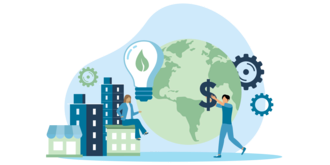
What Are Developing Countries?
In today’s global economy, countries are often categorized based on their level of economic and social progress. One of the most common terms used in this classification is “developing countries.” These countries are generally characterized by lower levels of industrialization, income, and human development compared to highly industrialized nations. Understanding what developing countries are, their characteristics, and the challenges they face is important for analyzing global economic patterns and development strategies.
Definition of Developing Countries
A developing country is a nation with a relatively low level of economic development, industrialization, and living standards. These countries are in the process of improving their economic conditions, social welfare, and infrastructure. The term suggests that the country is moving toward greater economic growth and modernization.
International organizations such as the United Nations, World Bank, and International Monetary Fund often use various indicators to classify countries as developing. These indicators include income per capita, poverty levels, access to education, healthcare quality, and the overall standard of living.
Developing countries are sometimes referred to as low-income or middle-income countries, depending on their economic status. They are mainly located in regions such as Africa, Asia, Latin America, and parts of the Middle East.
Key Characteristics of Developing Countries
Developing countries tend to share several common economic and social characteristics.
1. Low Per Capita Income
One of the most significant characteristics of developing countries is low income per person, also known as low per capita income. Many people in these countries earn less compared to individuals in developed countries. This often results in limited access to essential goods and services such as healthcare, education, and housing.
2. High Population Growth
Many developing countries experience rapid population growth. While population growth can increase the labor force, it can also put pressure on resources, employment opportunities, and public services. Governments often struggle to provide enough schools, hospitals, and infrastructure for growing populations.
3. Dependence on Agriculture
In many developing nations, a large portion of the population works in agriculture. Farming is often traditional and less productive due to limited access to modern technology, irrigation systems, and fertilizers. As a result, agricultural output may remain low compared to developed economies where agriculture is highly mechanized.
4. Limited Industrialization
Developing countries typically have less developed industrial sectors. Manufacturing industries may be small or underdeveloped, and economies may rely heavily on exporting raw materials or primary products such as minerals, oil, or agricultural goods.
This reliance on primary commodities often makes these economies vulnerable to fluctuations in global market prices.
5. High Levels of Poverty and Unemployment
Poverty is a major challenge in many developing countries. A significant portion of the population may live below the poverty line, struggling to meet basic needs such as food, clean water, and shelter. In addition, unemployment and underemployment are common due to limited job opportunities in the formal economy.
6. Inadequate Infrastructure
Infrastructure such as roads, electricity, clean water systems, and transportation networks is often underdeveloped in many developing nations. Poor infrastructure makes it difficult for businesses to grow and for people to access markets, education, and healthcare services.
7. Lower Human Development Levels
Human development indicators such as literacy rates, life expectancy, and access to healthcare are often lower in developing countries. To measure these factors, organizations like the United Nations Development Programme use the Human Development Index (HDI), which combines income, education, and health indicators to evaluate a country’s development level.
Examples of Developing Countries
Many countries across the world are classified as developing. For example, nations like India, Nigeria, Bangladesh, Vietnam, and Brazil are often considered developing countries, although their economic conditions and growth rates vary significantly.
Some developing countries are experiencing rapid economic growth and are sometimes referred to as emerging economies. These countries are expanding their industrial and technological sectors and playing a more important role in the global economy.
Causes of Underdevelopment
There are several factors that contribute to the underdevelopment of certain countries.
1. Historical Factors
Colonial history has had a long-lasting impact on many developing countries. During colonial periods, resources were often extracted and exported to benefit colonial powers, leaving local economies weak and dependent.
2. Lack of Capital
Developing countries often suffer from a shortage of capital needed for investment in industries, infrastructure, and education. Without sufficient financial resources, it becomes difficult to build factories, schools, hospitals, and transportation systems.
3. Political Instability
Political instability, corruption, and weak institutions can slow economic progress. Governments may struggle to implement effective economic policies or attract foreign investment if the political environment is unstable.
4. Limited Access to Technology
Technology plays a crucial role in increasing productivity and economic growth. However, many developing countries lack access to modern technologies, research facilities, and technical skills needed to advance their economies.
5. Rapid Population Growth
As mentioned earlier, rapid population growth can strain resources and slow development if economic growth cannot keep up with the increasing population.
Challenges Faced by Developing Countries
Developing countries face numerous challenges as they attempt to improve their economic and social conditions.
Some of the major challenges include:
-
Reducing poverty and inequality
-
Improving education and healthcare systems
-
Developing infrastructure
-
Creating employment opportunities
-
Ensuring political stability and good governance
-
Managing environmental sustainability
Climate change is also becoming a significant issue for many developing countries, as they are often more vulnerable to natural disasters such as floods, droughts, and storms.
Strategies for Development
To overcome these challenges, developing countries often implement various development strategies. These may include:
-
Promoting industrialization to diversify the economy
-
Investing in education and human capital to improve workforce skills
-
Encouraging foreign direct investment (FDI) to bring in capital and technology
-
Improving infrastructure such as transportation, energy, and communication systems
-
Strengthening institutions and governance to reduce corruption and increase efficiency
International cooperation also plays an important role. Organizations like the World Bank and International Monetary Fund provide financial assistance, technical support, and policy guidance to help countries achieve sustainable development.
The Path Toward Development
The transition from a developing country to a developed one is a long and complex process. It requires consistent economic growth, social progress, and effective governance. Countries such as South Korea and Singapore demonstrate that it is possible for nations to transform from developing economies into highly advanced and prosperous societies within a few decades.
However, development paths vary widely depending on each country’s resources, policies, and social conditions.
Conclusion
Developing countries are nations working toward higher levels of economic and social development. They typically face challenges such as low income levels, limited industrialization, poverty, and inadequate infrastructure. Despite these difficulties, many developing countries are making progress through economic reforms, investment in education and technology, and international cooperation.
Understanding the conditions and challenges of developing countries is essential for addressing global inequality and promoting sustainable development worldwide. As these nations continue to grow and modernize, they will play an increasingly important role in shaping the future of the global economy.
- Arts
- Business
- Computers
- الألعاب
- Health
- الرئيسية
- Kids and Teens
- مال
- News
- Personal Development
- Recreation
- Regional
- Reference
- Science
- Shopping
- Society
- Sports
- Бизнес
- Деньги
- Дом
- Досуг
- Здоровье
- Игры
- Искусство
- Источники информации
- Компьютеры
- Личное развитие
- Наука
- Новости и СМИ
- Общество
- Покупки
- Спорт
- Страны и регионы
- World

 English
 Russian
 French
 Spanish
 Portuguese
 Deutsch
 Turkish
 Dutch
Dutch
 Italiano
 Romaian
 Portuguese (Brazil)
 Greek
Greek