
Do Foreign Investments Help Developing Countries?
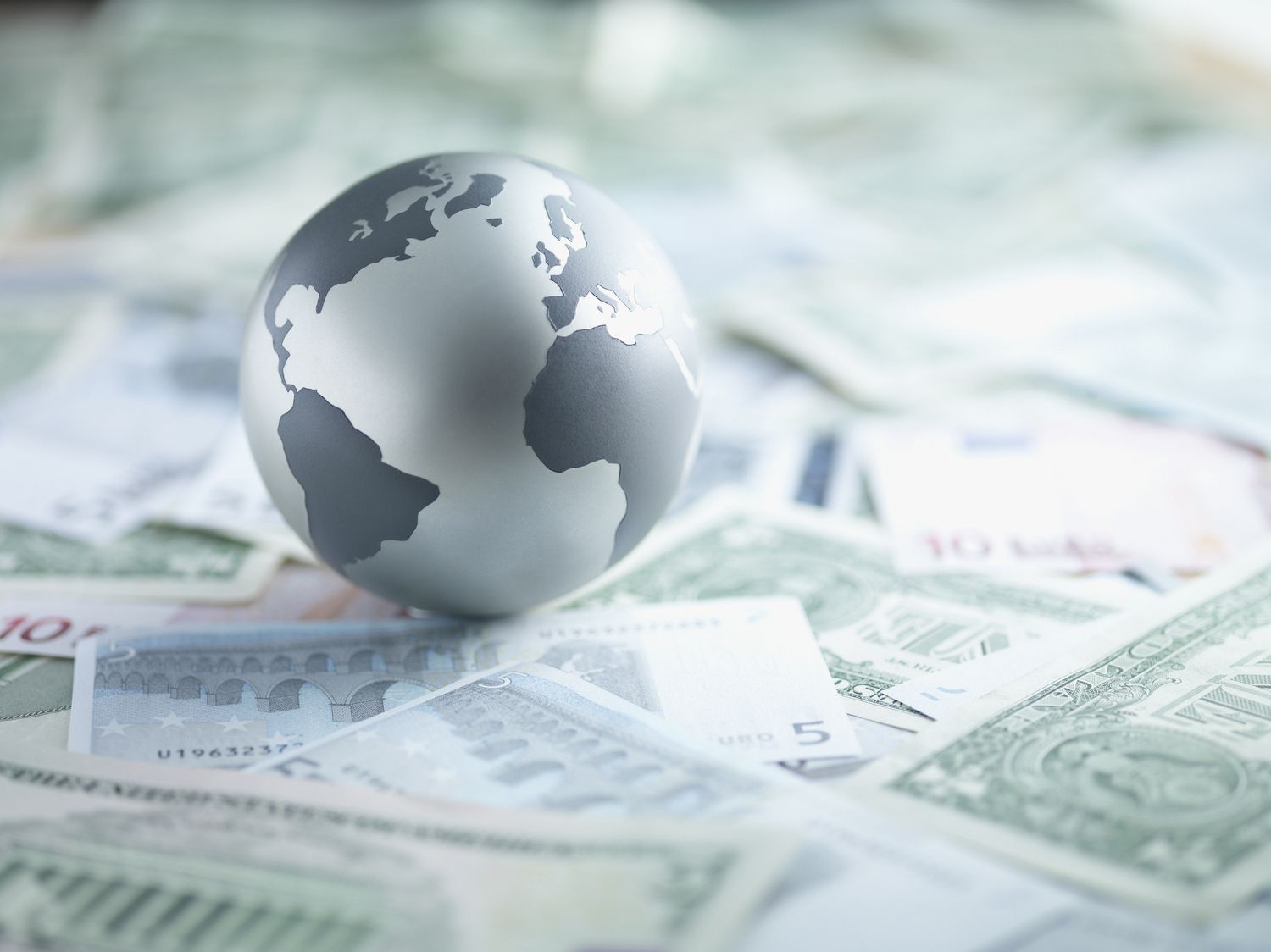
Do Foreign Investments Help Developing Countries?
Foreign investment has become an important element in the global economy, especially for developing countries seeking faster economic growth and modernization. As globalization deepens, capital increasingly moves across borders, allowing investors from wealthier nations to fund businesses, infrastructure, and industries in countries with emerging markets. These investments—commonly referred to as foreign direct investment (FDI)—can provide significant opportunities for developing economies. However, while foreign investment can bring many benefits, it also carries potential risks and challenges. Understanding both sides is essential to determine whether foreign investments truly help developing countries.
Understanding Foreign Investment
Foreign investment occurs when individuals, corporations, or governments from one country invest capital in another country. One of the most significant forms is foreign direct investment, in which a foreign company establishes or acquires a business in a developing country. This differs from portfolio investment, where investors buy stocks or bonds without actively managing the business.
FDI often involves building factories, opening subsidiaries, or forming partnerships with local companies. Governments in developing nations frequently encourage such investments by offering incentives like tax reductions, relaxed regulations, or special economic zones. Their goal is to attract international companies that can stimulate economic growth and development.
Economic Growth and Capital Inflows
One of the main benefits of foreign investment for developing countries is the influx of capital. Many developing economies face shortages of domestic savings and investment funds, which can limit their ability to finance large development projects. Foreign investment helps fill this gap by providing additional financial resources.
With increased capital, governments and businesses can expand industries, build infrastructure, and develop new technologies. This often leads to higher production levels and increased economic activity. As a result, foreign investment can contribute directly to higher gross domestic product (GDP) and overall economic growth.
For example, multinational companies may invest in manufacturing plants, mining operations, or technology hubs. These investments often require significant funding that local companies alone may not be able to provide. The additional capital allows developing economies to accelerate their development processes.
Job Creation and Higher Wages
Another major advantage of foreign investment is job creation. When multinational corporations establish operations in developing countries, they typically hire local workers. This creates employment opportunities in industries such as manufacturing, services, and technology.
In many cases, foreign companies offer higher wages and better working conditions than local firms. This can raise income levels and improve living standards for workers and their families. As workers earn more income, they spend more money in the local economy, which stimulates further economic activity.
Additionally, foreign investment often creates indirect employment. For example, when a new factory opens, it may require transportation, maintenance, supply services, and local suppliers. These related businesses generate additional jobs and contribute to economic expansion.
Transfer of Technology and Skills
Foreign investment also promotes the transfer of technology, knowledge, and management skills. Multinational corporations typically bring advanced technologies, efficient production methods, and modern management practices to the host country.
Local workers gain valuable experience and training while working for these companies. Over time, they may develop technical and managerial skills that increase the overall productivity of the workforce. Some employees eventually start their own businesses, applying the knowledge they acquired from foreign firms.
This process can strengthen the domestic economy and support long-term development. By adopting modern technologies and practices, developing countries can improve their competitiveness in global markets.
Improved Infrastructure and Global Integration
Foreign investors sometimes participate in building infrastructure such as roads, ports, telecommunications systems, and energy facilities. Improved infrastructure benefits not only the investors but also the broader economy by facilitating trade and transportation.
Foreign investment can also integrate developing countries into the global economy. When multinational companies operate in a country, they often include local suppliers in their international supply chains. This allows domestic firms to access global markets and increase exports.
Integration into international trade networks can enhance economic stability and diversify sources of income. Developing countries that successfully attract foreign investment often become important manufacturing or service hubs within global production systems.
Potential Risks and Challenges
Despite these benefits, foreign investment can also present challenges for developing countries. One concern is that multinational corporations may dominate local markets, making it difficult for domestic companies to compete. Large foreign firms often have greater financial resources, advanced technology, and established international networks.
Another issue is the repatriation of profits. Foreign investors typically send a portion of their earnings back to their home countries. While some profits remain in the host economy, large outflows of profits can reduce the long-term economic benefits for developing nations.
Environmental and labor concerns may also arise. In some cases, companies may relocate production to countries with weaker environmental regulations or lower labor standards. This can lead to environmental damage or poor working conditions if governments do not enforce adequate regulations.
Additionally, heavy reliance on foreign investment can make developing economies vulnerable to global economic fluctuations. If investors withdraw their funds during economic crises, it can lead to job losses and financial instability.
The Role of Government Policies
The impact of foreign investment largely depends on how governments manage and regulate it. Effective policies can maximize benefits while minimizing risks.
Governments can require foreign investors to partner with local firms, hire local workers, or transfer technology to domestic industries. They can also enforce environmental regulations and labor protections to ensure that investments contribute to sustainable development.
Investment in education and workforce training is also essential. When workers possess higher skills and knowledge, they are better able to benefit from employment opportunities created by foreign firms.
Furthermore, strong institutions and transparent regulations help create a stable investment environment. Investors are more likely to commit long-term capital when they trust a country’s legal and economic systems.
Long-Term Development Considerations
For foreign investment to support sustainable development, it must complement domestic economic strategies. Developing countries should not rely solely on foreign investors but should also encourage local entrepreneurship, innovation, and industrial growth.
Balanced economic policies can ensure that foreign investment strengthens rather than replaces domestic industries. When local businesses collaborate with multinational corporations, they can gain knowledge, expand production, and improve competitiveness.
In addition, governments can direct foreign investments toward sectors that support national development goals, such as renewable energy, infrastructure, education, and advanced manufacturing.
Conclusion
Foreign investments can play a significant role in helping developing countries achieve economic growth and modernization. By bringing capital, creating jobs, transferring technology, and integrating economies into global markets, foreign investors can contribute to improved living standards and development opportunities.
However, these benefits are not automatic. Without effective regulations and strategic policies, foreign investment can lead to challenges such as market dominance by multinational firms, environmental damage, or profit outflows.
Ultimately, the key lies in responsible management and balanced economic planning. When governments create strong institutions, enforce fair regulations, and invest in education and infrastructure, foreign investment can become a powerful tool for sustainable economic development. Under the right conditions, it can help developing countries accelerate progress and improve the well-being of their populations.
- Arts
- Business
- Computers
- Jogos
- Health
- Início
- Kids and Teens
- Money
- News
- Personal Development
- Recreation
- Regional
- Reference
- Science
- Shopping
- Society
- Sports
- Бизнес
- Деньги
- Дом
- Досуг
- Здоровье
- Игры
- Искусство
- Источники информации
- Компьютеры
- Личное развитие
- Наука
- Новости и СМИ
- Общество
- Покупки
- Спорт
- Страны и регионы
- World

 English
 Russian
 French
 Spanish
 Deutsch
 Turkish
 Dutch
Dutch
 Italiano
 Arabic
 Romaian
 Portuguese (Brazil)
 Greek
Greek
