
What Are Development Economics Models?
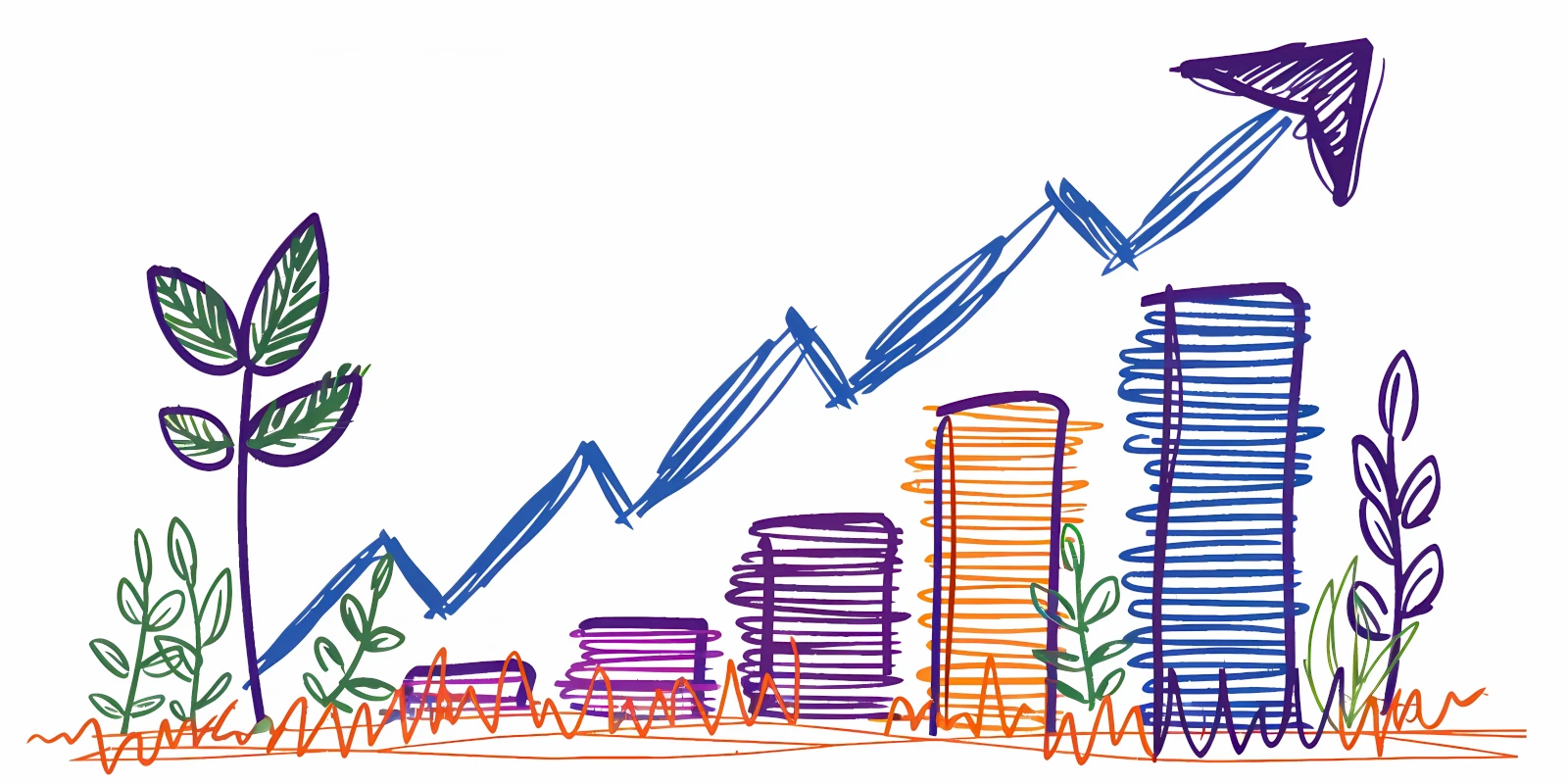
What Are Development Economics Models?
Development economics is a branch of economics that studies how countries improve their economic conditions, reduce poverty, and increase the quality of life for their populations. One of the key tools used in this field is development economics models. These models help economists understand how economies grow and why some countries develop faster than others. By simplifying complex economic processes, development models provide frameworks for analyzing growth, poverty reduction, industrialization, and structural transformation.
Understanding Development Economics Models
Development economics models are theoretical frameworks that explain the processes and factors involved in economic development. They attempt to answer important questions such as:
-
Why are some countries richer than others?
-
How can poor countries achieve sustained economic growth?
-
What role do capital, labor, technology, and institutions play in development?
-
How should governments design policies to promote development?
These models use assumptions, mathematical relationships, and economic logic to represent how an economy functions. Although no model can perfectly capture the complexity of real-world economies, they are useful for identifying key mechanisms that drive development.
Early Development Economics Models
Some of the earliest models in development economics emerged in the mid-20th century, when economists began to focus on the challenges faced by newly independent and low-income countries. These models emphasized the role of capital accumulation, industrialization, and structural transformation.
The Harrod–Domar Growth Model
One of the earliest growth models used in development economics is the Harrod–Domar model. It suggests that economic growth depends largely on the level of savings and investment in an economy. According to this model, higher savings lead to higher investment, which increases capital stock and raises economic output.
The model also introduced the idea that developing countries may face a savings gap, meaning they do not have enough domestic savings to finance the investment needed for growth. This concept helped justify the use of foreign aid and foreign investment to support development.
The Lewis Dual-Sector Model
Another influential development model was developed by economist W. Arthur Lewis. The Lewis model explains development through the movement of labor from a traditional agricultural sector to a modern industrial sector.
In many developing economies, the agricultural sector has surplus labor, meaning there are more workers than needed. The Lewis model argues that transferring workers to the industrial sector increases productivity and leads to economic growth. As industries expand, wages rise and the economy gradually transforms into a modern, industrialized system.
This idea of structural transformation remains a central concept in development economics today.
Structural Change and Industrialization Models
Later development models emphasized the importance of industrialization and structural change in economic development.
The Rostow Stages of Growth Model
The stages of growth theory was proposed by Walt Whitman Rostow. According to this model, economies pass through five stages of development:
-
Traditional society
-
Preconditions for take-off
-
Take-off
-
Drive to maturity
-
Age of high mass consumption
In this model, development occurs when countries increase investment, build infrastructure, and expand industrial production. The “take-off” stage represents the point where economic growth becomes self-sustaining.
Although the model was influential in the 1950s and 1960s, critics argue that it oversimplifies development and assumes that all countries follow the same path as Western economies.
Neoclassical Growth Models
Another important framework in development economics comes from neoclassical growth theory.
The Solow Growth Model
The Solow Growth Model, developed by Robert Solow, explains economic growth through capital accumulation, labor growth, and technological progress.
According to this model, increasing capital (such as machinery, factories, and infrastructure) can raise output, but only up to a certain point. Eventually, the economy reaches a steady state, where additional capital produces smaller increases in output.
The model highlights the importance of technology and innovation as long-term drivers of economic growth. This insight influenced policies promoting education, research, and technological development in many countries.
Dependency and Structuralist Models
Not all development economists agree with the idea that poor countries simply need more investment or industrialization. Some scholars argue that global economic structures can limit development.
Dependency theory suggests that developing countries are economically dependent on wealthy countries due to historical relationships, trade patterns, and unequal economic power. According to this perspective, global capitalism can reinforce inequality between developed and developing nations.
These models emphasize the need for structural reforms, including industrial policy, trade protection, and stronger domestic institutions, to help developing countries become more self-reliant.
Endogenous Growth Models
Modern development economics also includes endogenous growth models, which emphasize the role of knowledge, education, and innovation in driving economic growth.
Unlike earlier models, endogenous growth theory argues that technological progress is not external to the economy but is created through investments in:
-
Human capital (education and skills)
-
Research and development
-
Innovation and entrepreneurship
These models show how policies supporting education systems, universities, and technology sectors can lead to long-term economic growth.
Poverty and Development Models
Another group of development models focuses on poverty traps and inequality. Some countries remain poor because of self-reinforcing cycles that prevent economic progress.
For example, low income leads to low savings, which limits investment in education, health, and infrastructure. Without these investments, productivity remains low, and income stays low.
Development economists study ways to break these cycles through policies such as:
-
Improving education and healthcare
-
Expanding access to credit
-
Investing in infrastructure
-
Strengthening institutions and governance
These models help policymakers design strategies to promote inclusive growth and reduce poverty.
The Role of Institutions in Development
In recent decades, economists have increasingly recognized the importance of institutions in development. Institutions include the laws, policies, and organizations that shape economic activity.
Strong institutions can support development by:
-
Protecting property rights
-
Enforcing contracts
-
Reducing corruption
-
Promoting political stability
Research shows that countries with effective institutions tend to experience faster economic growth and higher living standards.
Limitations of Development Economics Models
While development models are valuable analytical tools, they have limitations. Real economies are influenced by many factors, including culture, politics, geography, and global market conditions. No single model can fully explain the development process.
Some common criticisms of development models include:
-
Oversimplification of complex economic realities
-
Assumptions that may not hold in all countries
-
Ignoring social and political factors
-
Difficulty in applying universal solutions
Because of these limitations, economists often use multiple models to analyze development issues.
Conclusion
Development economics models play a crucial role in understanding how economies grow and how countries can reduce poverty and improve living standards. From early frameworks such as the Harrod–Domar and Lewis models to modern theories emphasizing innovation, institutions, and human capital, these models provide valuable insights into the development process.
Although no model perfectly explains economic development, they help economists and policymakers identify key drivers of growth and design effective policies. By studying development models, researchers gain a deeper understanding of the challenges faced by developing countries and the strategies that can support sustainable economic progress.
- Arts
- Business
- Computers
- Jogos
- Health
- Início
- Kids and Teens
- Money
- News
- Personal Development
- Recreation
- Regional
- Reference
- Science
- Shopping
- Society
- Sports
- Бизнес
- Деньги
- Дом
- Досуг
- Здоровье
- Игры
- Искусство
- Источники информации
- Компьютеры
- Личное развитие
- Наука
- Новости и СМИ
- Общество
- Покупки
- Спорт
- Страны и регионы
- World

 English
 Russian
 French
 Spanish
 Portuguese
 Deutsch
 Turkish
 Dutch
Dutch
 Italiano
 Arabic
 Romaian
 Greek
Greek
