
What Careers Are Available in Development Economics?
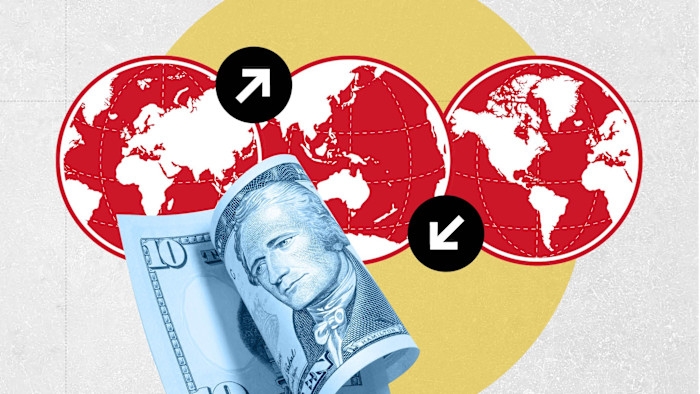
What Careers Are Available in Development Economics?
Development economics is a dynamic field focused on improving living standards, reducing poverty, and promoting sustainable growth in low- and middle-income countries. It blends theory, data analysis, and policy design to address real-world challenges such as inequality, education gaps, health outcomes, and environmental sustainability. For students and professionals interested in making a tangible global impact, development economics offers a wide range of rewarding career paths across sectors.
This article explores the main career options available in development economics, the skills required, and how these roles contribute to global progress.
1. International Development Organizations
One of the most prominent career paths in development economics is working for international organizations. These include multilateral institutions, regional development banks, and global agencies dedicated to economic and social development.
Professionals in these organizations work on projects such as infrastructure development, poverty reduction strategies, education reform, and climate resilience. Roles include:
-
Economists and Research Analysts: Conduct economic analysis, evaluate policies, and design development programs.
-
Project Managers: Oversee implementation of development projects, ensuring efficiency and accountability.
-
Policy Advisors: Provide guidance to governments on economic reforms and strategies.
These careers often involve working in diverse environments and collaborating with governments, NGOs, and local communities.
2. Government and Public Policy
Development economists are highly valued in government institutions, particularly in ministries of finance, planning, or economic development. In these roles, professionals help shape national policies that influence economic growth and social welfare.
Typical positions include:
-
Policy Analyst: Evaluates the impact of government programs and suggests improvements.
-
Economic Advisor: Provides data-driven recommendations to policymakers.
-
Public Sector Consultant: Works on designing and assessing development initiatives.
Working in government allows development economists to directly influence policy decisions that affect millions of people.
3. Non-Governmental Organizations (NGOs)
NGOs play a crucial role in implementing development programs on the ground. They focus on areas such as education, healthcare, gender equality, and poverty alleviation.
Careers in NGOs include:
-
Program Officer: Designs and manages development projects.
-
Monitoring and Evaluation (M&E) Specialist: Assesses the effectiveness of programs and ensures they achieve intended outcomes.
-
Field Researcher: Collects data and interacts with communities to understand local challenges.
These roles often require close engagement with communities and offer the opportunity to see the direct impact of development work.
4. Academia and Research Institutions
For those interested in theory, teaching, and long-term research, academia is a strong career path. Development economists in universities and think tanks study economic issues and contribute to policy debates.
Key roles include:
-
University Professor or Lecturer: Teaches courses and conducts research.
-
Research Fellow: Works in think tanks or research institutes analyzing development challenges.
-
Data Scientist or Economist: Uses advanced statistical tools to study economic trends.
Academic careers often require advanced degrees (PhD) and a strong foundation in quantitative methods.
5. Private Sector and Consulting
The private sector increasingly plays a role in development, especially through impact investing, corporate social responsibility (CSR), and consulting.
Career options include:
-
Development Consultant: Advises governments and organizations on economic strategies and project design.
-
Impact Investment Analyst: Evaluates investments that aim to generate both financial returns and social impact.
-
Sustainability Specialist: Works with companies to align business practices with environmental and social goals.
These roles combine business acumen with development expertise and often involve working with international clients.
6. International Aid and Humanitarian Work
Development economists are also involved in humanitarian efforts, particularly in regions affected by conflict, natural disasters, or economic crises.
Positions include:
-
Humanitarian Analyst: Assesses economic conditions in crisis situations.
-
Relief Program Coordinator: Manages emergency aid programs.
-
Food Security Specialist: Works on ensuring access to adequate nutrition in vulnerable populations.
These careers can be challenging but highly impactful, often requiring resilience and adaptability.
7. Data Analysis and Evaluation
With the rise of data-driven decision-making, there is growing demand for professionals skilled in econometrics and impact evaluation.
Common roles include:
-
Impact Evaluation Specialist: Uses experimental methods (like randomized controlled trials) to assess development programs.
-
Data Analyst: Processes and interprets large datasets to inform policy.
-
Statistical Consultant: Supports organizations in designing surveys and analyzing results.
Strong quantitative skills, including proficiency in software like R, Stata, or Python, are essential in this area.
8. Entrepreneurship and Social Enterprises
Some development economists choose to create their own solutions through social enterprises or startups. These ventures aim to address development challenges while being financially sustainable.
Examples include:
-
Launching a fintech platform to improve financial inclusion.
-
Creating educational technology solutions for underserved communities.
-
Developing renewable energy solutions in rural areas.
Entrepreneurship allows for innovation and direct problem-solving but also involves higher risks.
Skills Required for a Career in Development Economics
Regardless of the specific career path, certain core skills are essential:
-
Analytical Skills: Ability to interpret data and economic trends.
-
Quantitative Methods: Knowledge of econometrics and statistics.
-
Communication Skills: Clearly presenting findings to diverse audiences.
-
Cultural Awareness: Understanding local contexts and working effectively in diverse environments.
-
Problem-Solving: Designing practical solutions to complex issues.
Advanced education, such as a master’s degree or PhD in economics or a related field, is often required for higher-level positions.
Career Outlook and Opportunities
The demand for development economists continues to grow as global challenges such as climate change, inequality, and population growth intensify. Opportunities exist across continents, particularly in developing regions, but also in global institutions and research centers.
Moreover, the field is becoming increasingly interdisciplinary, integrating insights from political science, sociology, public health, and environmental studies. This creates even more diverse career opportunities.
Conclusion
Development economics offers a wide range of career paths for individuals passionate about improving lives and shaping a more equitable world. From international organizations and government roles to NGOs, academia, and the private sector, the field provides opportunities to work on some of the most pressing global issues.
Whether you are interested in research, policy, fieldwork, or entrepreneurship, a career in development economics can be both intellectually fulfilling and socially impactful. With the right skills and dedication, professionals in this field have the power to drive meaningful change on a global scale.
- Arts
- Business
- Computers
- Spellen
- Health
- Home
- Kids and Teens
- Money
- News
- Personal Development
- Recreation
- Regional
- Reference
- Science
- Shopping
- Society
- Sports
- Бизнес
- Деньги
- Дом
- Досуг
- Здоровье
- Игры
- Искусство
- Источники информации
- Компьютеры
- Личное развитие
- Наука
- Новости и СМИ
- Общество
- Покупки
- Спорт
- Страны и регионы
- World

 English
 Russian
 French
 Spanish
 Portuguese
 Deutsch
 Turkish
 Italiano
 Arabic
 Romaian
 Portuguese (Brazil)
 Greek
Greek
