
What is HR Analytics?
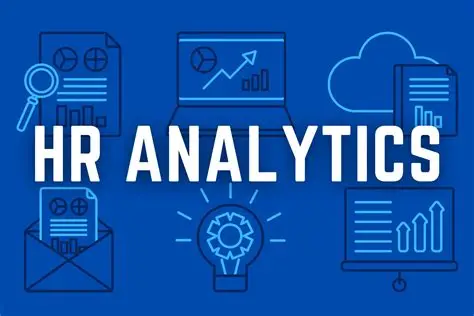
In today’s data-driven world, organizations rely on information to make smarter decisions, improve performance, and gain a competitive advantage. Human Resources (HR), traditionally seen as a people-focused function, is also undergoing a transformation through the use of data and analytics. This shift has given rise to HR analytics.
HR analytics enables organizations to use data to understand workforce trends, improve decision-making, and optimize HR processes. Instead of relying solely on intuition or experience, HR professionals can now make evidence-based decisions that lead to better outcomes for both employees and the organization.
From predicting employee turnover to improving recruitment strategies, HR analytics plays a crucial role in modern HR management.
In this article, we will explore what HR analytics is, its importance, types, applications, and how it is shaping the future of HR.
What is HR Analytics?
HR analytics, also known as people analytics or workforce analytics, is the process of collecting, analyzing, and interpreting employee data to improve HR decisions and organizational performance.
It involves:
- Gathering employee data
- Analyzing patterns and trends
- Using insights for decision-making
In simple terms, HR analytics is using data to make better decisions about people in an organization.
Importance of HR Analytics
1. Improves Decision-Making
Provides data-driven insights instead of guesswork.
2. Enhances Employee Performance
Identifies areas for improvement.
3. Reduces Employee Turnover
Helps predict and prevent resignations.
4. Optimizes Recruitment
Improves hiring strategies.
5. Supports Strategic Planning
Aligns HR with business goals.
Types of HR Analytics
1. Descriptive Analytics
Analyzes past data to understand what happened.
Example:
- Employee turnover rates
2. Diagnostic Analytics
Identifies reasons behind outcomes.
Example:
- Why employees are leaving
3. Predictive Analytics
Forecasts future trends.
Example:
- Predicting employee attrition
4. Prescriptive Analytics
Recommends actions based on data.
Example:
- Strategies to improve retention
Key Metrics in HR Analytics
1. Employee Turnover Rate
Measures how many employees leave the organization.
2. Time to Hire
Time taken to fill a position.
3. Employee Engagement
Measures employee satisfaction and involvement.
4. Absenteeism Rate
Tracks employee attendance.
5. Training Effectiveness
Evaluates the impact of training programs.
Applications of HR Analytics
1. Recruitment and Hiring
Improves candidate selection.
Benefits:
- Identifies best hiring sources
- Reduces hiring time
2. Employee Retention
Helps reduce turnover.
Uses:
- Predicting employee exits
- Improving retention strategies
3. Performance Management
Analyzes employee performance data.
4. Learning and Development
Identifies skill gaps and training needs.
5. Workforce Planning
Helps plan future workforce requirements.
Role of HR in HR Analytics
HR professionals are responsible for:
- Collecting and managing data
- Analyzing workforce trends
- Using insights to improve processes
- Supporting strategic decisions
Tools Used in HR Analytics
1. HR Software Systems
Manage employee data.
2. Data Analytics Tools
Analyze large datasets.
3. Dashboards and Reporting Tools
Visualize data insights.
4. AI and Machine Learning Tools
Enhance predictive analysis.
Benefits of HR Analytics
1. Better Hiring Decisions
Data-driven recruitment strategies.
2. Increased Productivity
Identify performance improvements.
3. Improved Employee Experience
Understand employee needs.
4. Cost Reduction
Optimize HR processes.
5. Strategic Advantage
Align HR with business goals.
Challenges of HR Analytics
1. Data Quality Issues
Incomplete or inaccurate data.
2. Privacy Concerns
Handling sensitive employee information.
3. Lack of Skills
HR professionals may lack analytical skills.
4. Implementation Costs
Tools and systems can be expensive.
Best Practices for HR Analytics
1. Ensure Data Accuracy
Maintain clean and reliable data.
2. Focus on Key Metrics
Track relevant data points.
3. Train HR Teams
Develop analytical skills.
4. Use Technology
Leverage advanced tools.
5. Protect Data Privacy
Ensure compliance with regulations.
Impact of Technology on HR Analytics
Technology has made HR analytics more accessible.
Key developments:
- Cloud-based HR systems
- AI-powered analytics
- Real-time data tracking
HR Analytics in Remote Work
Remote work has increased the importance of analytics.
Uses include:
- Tracking productivity
- Monitoring engagement
- Managing distributed teams
The Future of HR Analytics
1. Increased Use of AI
Advanced predictive capabilities.
2. Real-Time Analytics
Instant insights for decision-making.
3. Personalized Employee Experience
Tailored HR strategies.
4. Greater Strategic Role
HR analytics becoming central to business strategy.
Conclusion
HR analytics is transforming the way organizations manage their workforce by providing data-driven insights that improve decision-making and performance. It enables HR professionals to move from intuition-based decisions to evidence-based strategies.
By using HR analytics, organizations can enhance recruitment, improve employee engagement, reduce turnover, and achieve better business outcomes. As technology continues to evolve, HR analytics will play an even more important role in shaping the future of work.
For HR professionals, developing analytical skills and embracing data-driven approaches is essential for success in the modern workplace.
- Arts
- Business
- Computers
- Spiele
- Health
- Startseite
- Kids and Teens
- Geld
- News
- Personal Development
- Recreation
- Regional
- Reference
- Science
- Shopping
- Society
- Sports
- Бизнес
- Деньги
- Дом
- Досуг
- Здоровье
- Игры
- Искусство
- Источники информации
- Компьютеры
- Личное развитие
- Наука
- Новости и СМИ
- Общество
- Покупки
- Спорт
- Страны и регионы
- World

 English
 Russian
 French
 Spanish
 Portuguese
 Turkish
 Dutch
Dutch
 Italiano
 Arabic
 Romaian
 Portuguese (Brazil)
 Greek
Greek