
What Factors Influence Economic Conditions?
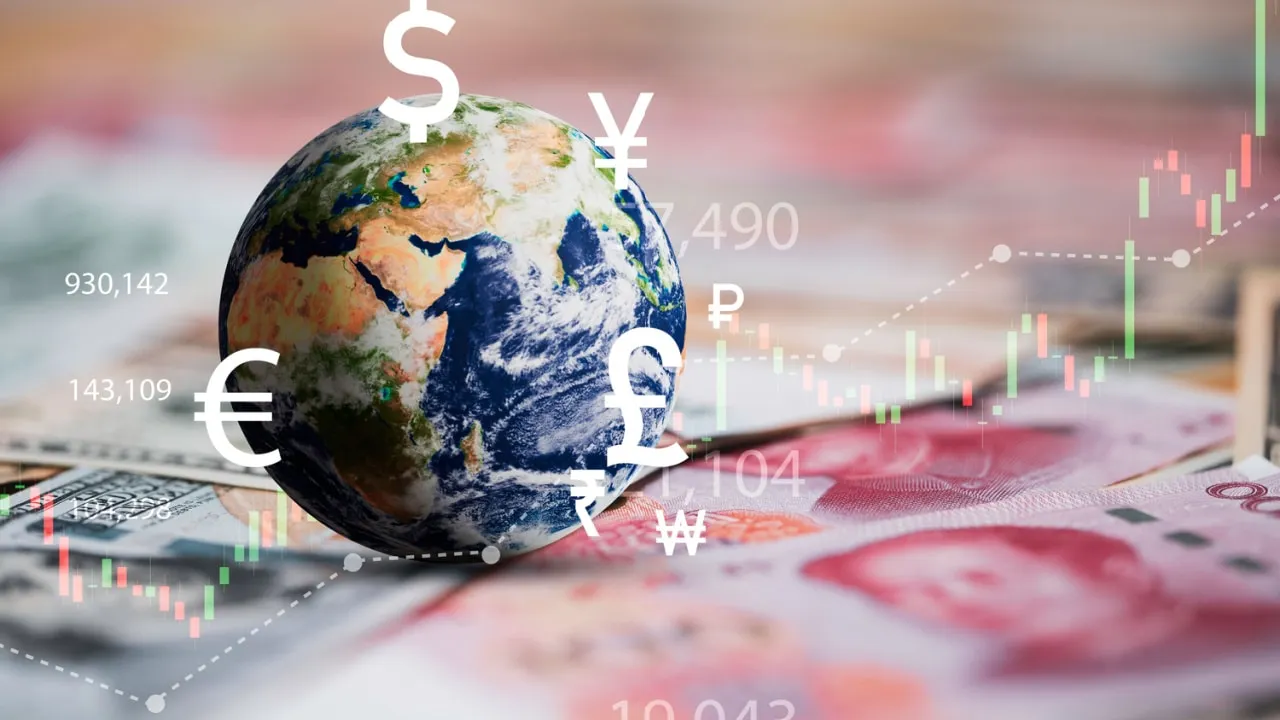
What Factors Influence Economic Conditions?
Economic conditions describe the overall state of an economy at a given time. They reflect how well an economy is performing in terms of growth, stability, employment, and the general well-being of its citizens. These conditions are not shaped by a single force but by a complex interaction of multiple factors, both domestic and global. Understanding these influences is essential for policymakers, businesses, and individuals who make decisions based on economic trends.
This article explores the key factors that influence economic conditions and explains how they interact to shape the broader economic landscape.
1. Monetary Policy
Monetary policy is one of the most powerful tools used to influence economic conditions. It is typically controlled by a country’s central bank and involves managing the money supply and interest rates.
When central banks lower interest rates, borrowing becomes cheaper. This encourages businesses to invest and consumers to spend, which can stimulate economic growth. Conversely, when interest rates are raised, borrowing becomes more expensive, slowing down spending and helping to control inflation.
Monetary policy also includes actions such as open market operations and quantitative easing, which can inject liquidity into the economy during downturns. The effectiveness of these measures depends on timing, market confidence, and the overall economic environment.
2. Fiscal Policy
Fiscal policy refers to government decisions about taxation and public spending. It plays a crucial role in shaping economic conditions by influencing aggregate demand.
During periods of economic slowdown, governments may increase spending or cut taxes to stimulate growth. This can create jobs, boost consumption, and encourage investment. On the other hand, during times of high inflation or excessive growth, governments might reduce spending or increase taxes to cool the economy.
Budget deficits and public debt levels also impact economic conditions. High levels of debt can limit a government’s ability to respond to future crises, while well-managed fiscal policy can promote long-term stability and growth.
3. Inflation
Inflation measures the rate at which prices for goods and services rise over time. Moderate inflation is generally a sign of a growing economy, but high or unpredictable inflation can create uncertainty and reduce purchasing power.
When inflation rises too quickly, consumers may struggle to afford basic goods, and businesses may face higher production costs. This can lead to reduced consumption and slower economic growth. On the other hand, very low inflation or deflation can signal weak demand and economic stagnation.
Central banks often target a specific inflation rate to maintain price stability and support sustainable economic growth.
4. Employment and Labor Market Conditions
The labor market is a key indicator of economic health. High employment levels generally indicate strong economic conditions, as more people have income to spend on goods and services.
Unemployment, underemployment, and wage growth all influence economic performance. When unemployment is high, consumer spending declines, leading to lower demand and slower economic growth. Conversely, when wages rise, consumers have more purchasing power, which can boost economic activity.
Labor market dynamics also include workforce participation, skill levels, and demographic trends, all of which affect productivity and long-term growth.
5. Consumer Confidence and Spending
Consumer behavior is a major driver of economic conditions, especially in economies where consumption accounts for a large portion of GDP.
Consumer confidence reflects how optimistic people feel about their financial situation and the overall economy. When confidence is high, people are more likely to spend money, invest in big purchases, and take financial risks. This increased spending drives business revenues and economic growth.
When confidence is low, consumers tend to save more and spend less, which can slow down economic activity. Factors such as job security, inflation, and political stability often influence consumer sentiment.
6. Business Investment
Business investment is another critical factor that shapes economic conditions. Companies invest in new equipment, technology, infrastructure, and workforce development to expand their operations.
High levels of investment typically indicate optimism about future growth and can lead to increased productivity, job creation, and innovation. However, uncertainty—whether economic, political, or regulatory—can cause businesses to delay or reduce investment.
Access to credit, interest rates, and market demand all influence business investment decisions.
7. Global Economic Environment
In an increasingly interconnected world, global economic conditions have a significant impact on national economies. Trade relationships, international markets, and global supply chains all influence domestic economic performance.
For example, a recession in a major trading partner can reduce demand for exports, slowing economic growth. Similarly, changes in global commodity prices—such as oil, gas, or food—can affect production costs and inflation.
Exchange rates also play a role. A weaker currency can boost exports by making them cheaper for foreign buyers, while a stronger currency can make imports more affordable but reduce export competitiveness.
8. Political Stability and Government Policies
Political factors can greatly influence economic conditions. Stable governments with clear and consistent policies tend to foster investor confidence and economic growth.
Uncertainty caused by political instability, corruption, or abrupt policy changes can discourage investment and disrupt economic activity. Regulatory frameworks, trade policies, and legal systems all affect how businesses operate and make decisions.
Government actions in areas such as education, healthcare, and infrastructure also shape long-term economic conditions by influencing productivity and human capital.
9. Technological Innovation
Technological advancements play a major role in shaping economic conditions over time. Innovation can increase productivity, reduce costs, and create new industries.
For example, developments in digital technology, automation, and artificial intelligence have transformed many sectors, improving efficiency and creating new economic opportunities. However, technological change can also disrupt labor markets by replacing certain types of jobs, requiring workers to adapt and acquire new skills.
Economies that invest in research and development and embrace innovation tend to experience stronger long-term growth.
10. Natural Resources and Environmental Factors
The availability and management of natural resources can significantly influence economic conditions. Countries rich in resources such as oil, minerals, or fertile land may benefit from strong export revenues.
However, reliance on natural resources can also make economies vulnerable to price fluctuations and environmental challenges. Climate change, natural disasters, and environmental degradation can disrupt economic activity, damage infrastructure, and affect agricultural production.
Sustainable resource management and environmental policies are increasingly important for maintaining stable economic conditions.
11. Financial Markets and Banking System
The health of financial institutions and markets is crucial for economic stability. Banks provide credit to businesses and consumers, enabling investment and spending.
A well-functioning financial system supports economic growth by efficiently allocating resources. However, financial instability—such as banking crises or market crashes—can have severe negative effects on economic conditions.
Confidence in financial institutions is essential. When trust declines, people may withdraw funds, reduce investment, and trigger broader economic disruptions.
12. Demographics
Population trends also influence economic conditions. Factors such as population growth, aging, migration, and urbanization shape labor supply, consumer demand, and government spending.
For instance, a growing and youthful population can boost economic growth by increasing the workforce and consumption. In contrast, an aging population may lead to higher healthcare and pension costs, potentially slowing economic growth.
Demographic shifts require careful planning to ensure sustainable economic development.
Conclusion
Economic conditions are shaped by a wide range of interconnected factors, from monetary and fiscal policies to global events and technological innovation. No single factor operates in isolation; instead, they interact in complex ways to influence growth, stability, and overall economic performance.
Understanding these factors helps individuals make informed financial decisions, enables businesses to plan strategically, and allows governments to design effective policies. In a constantly changing world, the ability to adapt to these influences is essential for maintaining strong and resilient economic conditions.
- Arts
- Business
- Computers
- Παιχνίδια
- Health
- Κεντρική Σελίδα
- Kids and Teens
- Money
- News
- Personal Development
- Recreation
- Regional
- Reference
- Science
- Shopping
- Society
- Sports
- Бизнес
- Деньги
- Дом
- Досуг
- Здоровье
- Игры
- Искусство
- Источники информации
- Компьютеры
- Личное развитие
- Наука
- Новости и СМИ
- Общество
- Покупки
- Спорт
- Страны и регионы
- World

 English
 Russian
 French
 Spanish
 Portuguese
 Deutsch
 Turkish
 Dutch
Dutch
 Italiano
 Arabic
 Romaian
 Portuguese (Brazil)
