
How do I balance career growth with personal life?
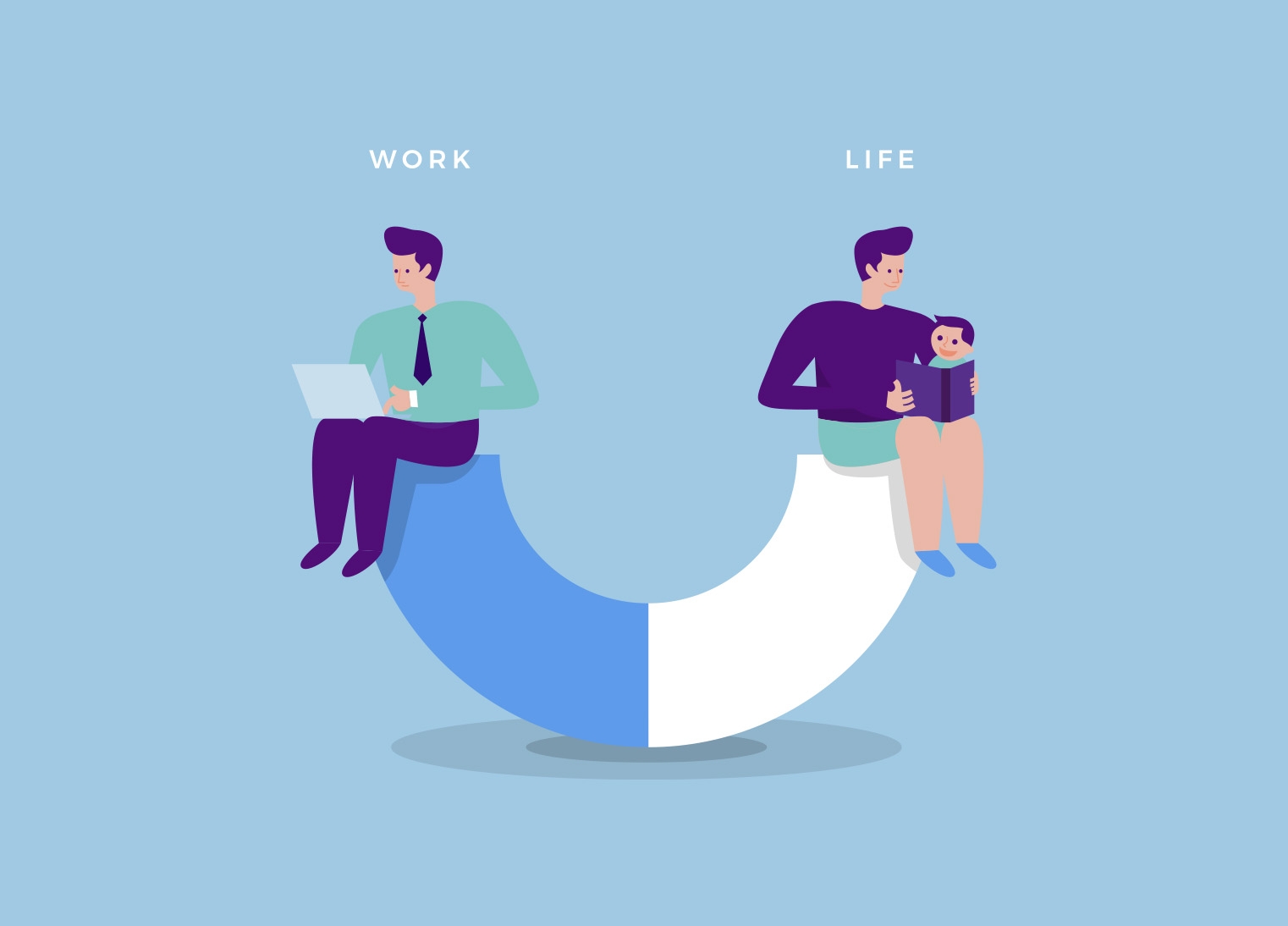
How Do I Balance Career Growth with Personal Life?
Balancing career growth with personal life is one of the most complex challenges in modern living. Ambition often demands time, focus, and sacrifice, while a fulfilling personal life requires presence, energy, and emotional investment. When these two domains are not aligned, individuals can experience burnout, strained relationships, and a loss of purpose.
The goal is not to split time evenly between work and life, but to integrate both in a way that supports long-term success and well-being. This requires clarity, intentional decision-making, and disciplined habits.
This article explores a comprehensive framework for achieving sustainable balance while continuing to grow professionally.
Understanding the Real Meaning of Balance
Balance is often misunderstood as a perfect 50/50 split between work and personal life. In reality, balance is dynamic and changes over time.
At different stages of life, priorities shift:
-
Early career may require more focus on skill-building
-
Mid-career may emphasize stability and family
-
Later stages may prioritize fulfillment and flexibility
Balance is about alignment, not equality. It means your time, energy, and attention reflect what truly matters to you.
The Core Conflict: Growth vs. Time
Career growth typically requires:
-
Continuous learning
-
Increased responsibility
-
Longer or more intense work periods
Personal life requires:
-
Time with family and friends
-
Rest and recovery
-
Personal interests and self-care
Since both compete for limited time and energy, the solution lies in optimization, not elimination.
Define What Success Means to You
Before you can balance anything, you must define your priorities.
Ask yourself:
-
What does career success look like for me?
-
What kind of personal life do I want?
-
What am I willing—and not willing—to sacrifice?
Without clear answers, you risk chasing external definitions of success that may not align with your values.
Set Clear Boundaries
One of the most effective ways to maintain balance is to establish boundaries.
Types of Boundaries
-
Time boundaries: Define when work starts and ends
-
Physical boundaries: Separate workspaces from living spaces
-
Digital boundaries: Limit after-hours emails and notifications
Without boundaries, work tends to expand indefinitely, consuming personal time.
Master Time Management
Time management is a foundational skill for balancing career and life.
Prioritization Techniques
-
Focus on high-impact tasks rather than busywork
-
Use methods like task batching and scheduling
-
Identify and eliminate time-wasting activities
The 80/20 Principle
Often, 20% of your efforts produce 80% of your results. Identifying these high-impact activities allows you to work smarter and free up time.
Protect Your Energy, Not Just Your Time
Time is finite, but energy fluctuates. Managing energy effectively is just as important as managing time.
Energy Management Strategies
-
Schedule demanding tasks during peak energy hours
-
Take regular breaks to prevent fatigue
-
Maintain physical health through sleep, nutrition, and exercise
High productivity in less time creates space for personal life.
Learn to Say No
Overcommitment is one of the biggest barriers to balance.
Saying no:
-
Protects your time and energy
-
Allows focus on priorities
-
Prevents burnout
This applies to both professional and personal obligations. Not every opportunity or request aligns with your goals.
Build Efficient Work Systems
Efficiency reduces the time required for career-related tasks.
Strategies
-
Automate repetitive tasks
-
Use productivity tools
-
Develop standardized workflows
The more efficient you are, the less time work consumes.
Integrate, Don’t Just Separate
Instead of viewing work and life as competing forces, look for ways to integrate them.
Examples:
-
Flexible work schedules
-
Remote work opportunities
-
Combining social time with professional networking
Integration creates synergy rather than conflict.
Invest in Relationships
Career success without meaningful relationships often leads to dissatisfaction.
Practical Approaches
-
Schedule quality time with loved ones
-
Be fully present during personal interactions
-
Communicate openly about your commitments
Strong relationships provide emotional support and stability.
Make Time for Yourself
Personal well-being is often neglected in pursuit of career growth.
Essential Self-Care Areas
-
Physical health (exercise, sleep)
-
Mental health (relaxation, mindfulness)
-
Personal interests (hobbies, creativity)
Taking care of yourself enhances both personal life and professional performance.
Avoid Burnout
Burnout is a major risk when balancing career growth with personal life.
Warning Signs
-
Chronic fatigue
-
Decreased motivation
-
Irritability or detachment
-
Reduced performance
Prevention Strategies
-
Take regular breaks
-
Use vacation time
-
Avoid constant overwork
Sustainable success requires recovery.
Set Realistic Expectations
Trying to “have it all” at once can lead to frustration.
Instead:
-
Accept trade-offs
-
Focus on progress, not perfection
-
Adjust expectations based on current priorities
Balance is about making the best possible choices, not perfect ones.
Leverage Support Systems
You don’t have to manage everything alone.
Support Options
-
Family and friends
-
Colleagues and mentors
-
Professional services (childcare, cleaning, etc.)
Delegating responsibilities frees up time and reduces stress.
Continuously Reevaluate Your Balance
Balance is not static. Regularly assess:
-
Are you satisfied with your current situation?
-
Are your priorities being met?
-
What needs adjustment?
Periodic reflection ensures you stay aligned with your goals.
Practical Daily Habits for Balance
Morning Routine
Start your day with intention:
-
Plan priorities
-
Avoid immediate work overload
-
Set a positive tone
Workday Structure
-
Focus on high-priority tasks first
-
Take breaks to maintain energy
-
Avoid unnecessary multitasking
Evening Routine
-
Disconnect from work
-
Spend time with loved ones
-
Prepare for the next day
Consistent routines create stability and efficiency.
The Role of Technology
Technology can both help and hinder balance.
Positive Uses
-
Productivity apps
-
Communication tools
-
Automation
Risks
-
Constant connectivity
-
Difficulty disconnecting
Use technology intentionally, not passively.
Career Growth Without Sacrifice
It is possible to grow professionally without sacrificing personal life, but it requires strategic choices.
Focus on High-Value Growth
-
Skill development over long hours
-
Strategic networking
-
Targeted opportunities
Growth should be efficient and purposeful, not purely time-intensive.
Common Mistakes to Avoid
-
Equating long hours with productivity
-
Neglecting personal relationships
-
Ignoring signs of burnout
-
Failing to set boundaries
-
Trying to do everything alone
Avoiding these pitfalls significantly improves balance.
Long-Term Perspective
Short-term sacrifices may be necessary at times, but they should not become permanent.
Ask yourself:
-
Is this pace sustainable?
-
Am I building a life I actually want?
Long-term thinking helps prevent imbalance.
Building a Sustainable Lifestyle
Ultimately, balance is about creating a lifestyle that supports both success and well-being.
Key Elements
-
Clear priorities
-
Efficient systems
-
Strong relationships
-
Regular self-care
-
Continuous adjustment
When these elements are in place, balance becomes achievable and sustainable.
Conclusion
Balancing career growth with personal life is not about dividing time evenly—it’s about making intentional choices that align with your values and goals. By setting boundaries, managing time and energy effectively, and prioritizing what truly matters, you can achieve both professional success and personal fulfillment.
The process requires ongoing effort, self-awareness, and flexibility. However, the reward is a life that is not only productive but also meaningful and sustainable.
In the end, true success is not defined solely by career achievements, but by the quality of your life as a whole.
- Arts
- Business
- Computers
- Jogos
- Health
- Início
- Kids and Teens
- Money
- News
- Personal Development
- Recreation
- Regional
- Reference
- Science
- Shopping
- Society
- Sports
- Бизнес
- Деньги
- Дом
- Досуг
- Здоровье
- Игры
- Искусство
- Источники информации
- Компьютеры
- Личное развитие
- Наука
- Новости и СМИ
- Общество
- Покупки
- Спорт
- Страны и регионы
- World

 English
 Russian
 French
 Spanish
 Deutsch
 Turkish
 Dutch
Dutch
 Italiano
 Arabic
 Romaian
 Portuguese (Brazil)
 Greek
Greek
