
What is minimalist interior design?
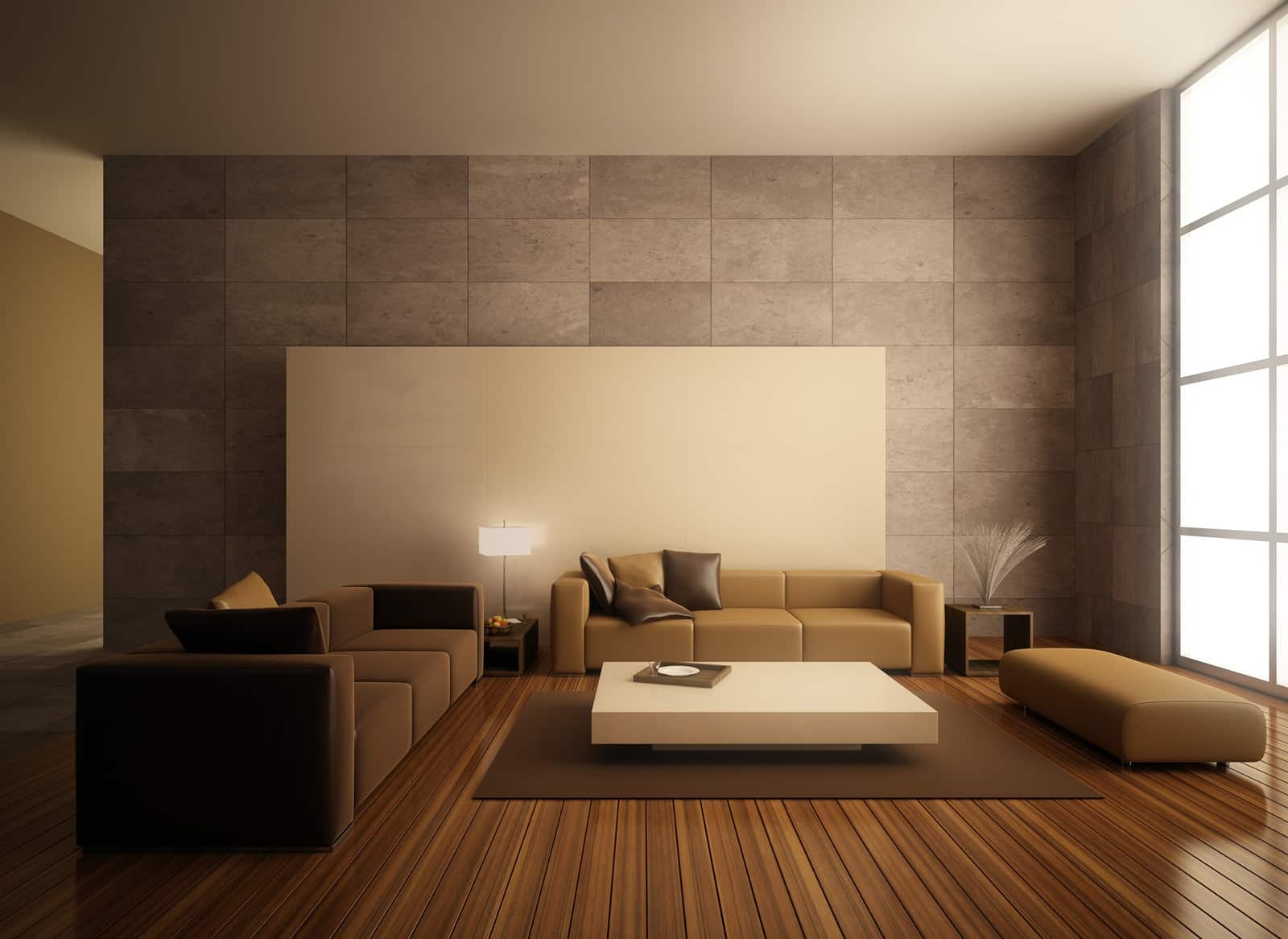
What Is Minimalist Interior Design?
Minimalist interior design is a philosophy and aesthetic approach that emphasizes simplicity, functionality, and intentionality within a space. It is often summarized by the principle “less is more,” but in practice, it is far more nuanced than simply removing items or creating empty rooms. Minimalist design seeks to eliminate excess while enhancing purpose, resulting in environments that are calm, efficient, and visually balanced.
At its best, minimalist interior design is not about deprivation—it is about clarity. Every element in a space has a role, and anything that does not contribute to function or harmony is removed.
The Origins of Minimalist Design
Minimalist interior design did not emerge in isolation. It is influenced by several historical and cultural movements that shaped its principles.
1. Japanese Design Philosophy
Traditional Japanese interiors have long embraced simplicity, natural materials, and open space. Concepts like ma (the use of negative space) and wabi-sabi (appreciation of imperfection) strongly influenced modern minimalism.
Key characteristics include:
-
Sliding doors (shoji)
-
Low furniture
-
Neutral tones
-
Strong connection to nature
2. Modernism and Bauhaus
In the early 20th century, movements like Bauhaus emphasized function over ornamentation. Designers believed that:
-
Form should follow function
-
Decorative excess was unnecessary
-
Simplicity could enhance usability
This philosophy laid the groundwork for minimalist interiors.
3. Contemporary Minimalism
Today’s minimalist design blends these influences with modern needs:
-
Urban living constraints
-
Digital lifestyles
-
Sustainability concerns
The result is a refined approach that balances aesthetics with practicality.
Core Principles of Minimalist Interior Design
Understanding minimalism requires more than visual recognition—you need to grasp its underlying principles.
1. Functionality First
Every object in a minimalist space must serve a purpose.
Examples:
-
A chair must be comfortable and durable—not just decorative
-
Storage solutions should reduce clutter
-
Lighting should enhance usability
If an item does not contribute to the space, it is removed.
2. Simplicity in Form
Minimalist design favors:
-
Clean lines
-
Geometric shapes
-
Uncomplicated structures
Furniture and décor avoid excessive detailing or ornamentation.
3. Neutral Color Palettes
Minimalist interiors typically use subdued colors such as:
-
White
-
Beige
-
Gray
-
Soft earth tones
These colors:
-
Create a sense of calm
-
Reflect light effectively
-
Make spaces feel larger
Accent colors may be used sparingly for contrast.
4. Use of Negative Space
Negative space—empty or unoccupied areas—is a defining feature.
Instead of filling every corner:
-
Space is left open intentionally
-
Rooms feel breathable and uncluttered
This enhances both visual clarity and mental calmness.
5. Quality Over Quantity
Minimalism prioritizes fewer, higher-quality items.
Rather than:
-
Many cheap pieces
You choose:
-
Fewer durable, well-designed items
This creates a more refined and cohesive environment.
6. Intentional Décor
Decorative elements are not eliminated—they are curated.
Each item:
-
Has meaning or purpose
-
Contributes to the overall design
For example:
-
A single piece of artwork instead of a gallery wall
-
A carefully chosen plant instead of multiple small decorations
Key Elements of Minimalist Interiors
To fully understand minimalist design, it helps to break down its components.
Furniture
Minimalist furniture is:
-
Functional
-
Simple in design
-
Often low-profile
Characteristics include:
-
Straight lines
-
Neutral upholstery
-
Hidden storage
Furniture is arranged to maximize space and flow.
Lighting
Lighting plays a critical role in minimalism.
Types of lighting used:
-
Natural light (large windows, open layouts)
-
Soft ambient lighting
-
Simple fixtures
The goal is to create a warm, inviting atmosphere without visual clutter.
Materials
Minimalist interiors often feature natural and high-quality materials:
-
Wood
-
Stone
-
Glass
-
Metal
These materials add texture and depth without overwhelming the space.
Texture Over Decoration
Instead of relying on decorative objects, minimalism uses texture to create interest.
Examples:
-
Linen fabrics
-
Wool rugs
-
Wooden surfaces
This approach keeps spaces visually engaging while maintaining simplicity.
Benefits of Minimalist Interior Design
Minimalist interiors offer more than aesthetic appeal—they provide functional and psychological advantages.
1. Reduced Stress
Cluttered environments can increase stress and anxiety. Minimalist spaces:
-
Reduce visual noise
-
Promote calmness
-
Create a sense of order
2. Improved Focus
With fewer distractions, it becomes easier to concentrate.
This is especially beneficial for:
-
Workspaces
-
Study areas
-
Creative environments
3. Easier Maintenance
Fewer items mean:
-
Less cleaning
-
Easier organization
-
Faster upkeep
4. Enhanced Space Perception
Minimalist design makes spaces feel larger by:
-
Reducing clutter
-
Using light colors
-
Maximizing openness
5. Sustainability
Minimalism encourages:
-
Buying fewer items
-
Choosing durable materials
-
Reducing waste
This aligns with environmentally conscious living.
Common Misconceptions
Minimalist interior design is often misunderstood.
1. “Minimalism Is Empty”
Minimalism is not about empty rooms. It is about intentional design.
A minimalist space can feel:
-
Warm
-
Inviting
-
Comfortable
2. “It’s Cold and Unwelcoming”
While some minimalist spaces appear stark, well-designed interiors incorporate:
-
Warm lighting
-
Natural materials
-
Soft textures
3. “You Can’t Express Personality”
Minimalism does not eliminate personality—it refines it.
Instead of many random items, you showcase:
-
A few meaningful pieces
How to Create a Minimalist Interior
Transforming your space into a minimalist environment requires a structured approach.
Step 1: Declutter
Start by removing unnecessary items.
Ask:
-
Do I use this?
-
Does it add value?
-
Does it fit my space?
Step 2: Simplify Furniture
Keep only essential furniture.
Ensure:
-
Each piece serves a purpose
-
The layout allows easy movement
Step 3: Choose a Neutral Palette
Select a consistent color scheme.
Avoid:
-
Too many contrasting colors
Step 4: Optimize Storage
Use smart storage solutions:
-
Hidden compartments
-
Built-in shelves
-
Multi-functional furniture
Step 5: Add Intentional Décor
Choose a few meaningful decorative items.
Focus on:
-
Quality
-
Placement
-
Balance
Step 6: Maximize Natural Light
Open curtains, use light fabrics, and position mirrors to reflect light.
Minimalism in Different Rooms
Living Room
-
Simple seating arrangement
-
Neutral tones
-
Minimal décor
Bedroom
-
Clean surfaces
-
Limited furniture
-
Soft lighting
Kitchen
-
Clear countertops
-
Organized storage
-
Functional layout
Workspace
-
Minimal desk items
-
Organized cables
-
Distraction-free environment
Minimalism vs Other Design Styles
Understanding how minimalism compares to other styles helps clarify its identity.
Minimalism vs Modern
-
Modern design can include decorative elements
-
Minimalism strips design to essentials
Minimalism vs Scandinavian
-
Scandinavian design is minimalist but warmer
-
It includes more textures and cozy elements
Minimalism vs Industrial
-
Industrial uses raw materials and bold features
-
Minimalism is softer and more restrained
The Psychology of Minimalist Spaces
Minimalist environments influence how we think and feel.
Cognitive Impact
Less visual clutter:
-
Reduces cognitive load
-
Improves focus
Emotional Impact
Minimalist spaces:
-
Promote calmness
-
Reduce overwhelm
Behavioral Impact
People in minimalist environments often:
-
Stay more organized
-
Make more intentional choices
Is Minimalist Interior Design Right for You?
Minimalism is highly adaptable, but it may not suit everyone equally.
It works well if you:
-
Prefer clean, organized spaces
-
Feel overwhelmed by clutter
-
Value functionality
It may be less ideal if you:
-
Enjoy collecting items
-
Prefer highly decorative environments
Final Thoughts
Minimalist interior design is not about removing everything—it is about making space for what matters.
By focusing on:
-
Functionality
-
Simplicity
-
Intentionality
You can create a space that:
-
Supports your lifestyle
-
Enhances your well-being
-
Improves focus and clarity
Ultimately, minimalism transforms your environment into a tool rather than a distraction. It aligns your surroundings with your priorities, allowing you to live more deliberately and efficiently.
- Arts
- Business
- Computers
- Παιχνίδια
- Health
- Κεντρική Σελίδα
- Kids and Teens
- Money
- News
- Personal Development
- Recreation
- Regional
- Reference
- Science
- Shopping
- Society
- Sports
- Бизнес
- Деньги
- Дом
- Досуг
- Здоровье
- Игры
- Искусство
- Источники информации
- Компьютеры
- Личное развитие
- Наука
- Новости и СМИ
- Общество
- Покупки
- Спорт
- Страны и регионы
- World

 English
 Russian
 French
 Spanish
 Portuguese
 Deutsch
 Turkish
 Dutch
Dutch
 Italiano
 Arabic
 Romaian
 Portuguese (Brazil)