
What Is the Role of Personnel Management in Conflict Resolution?
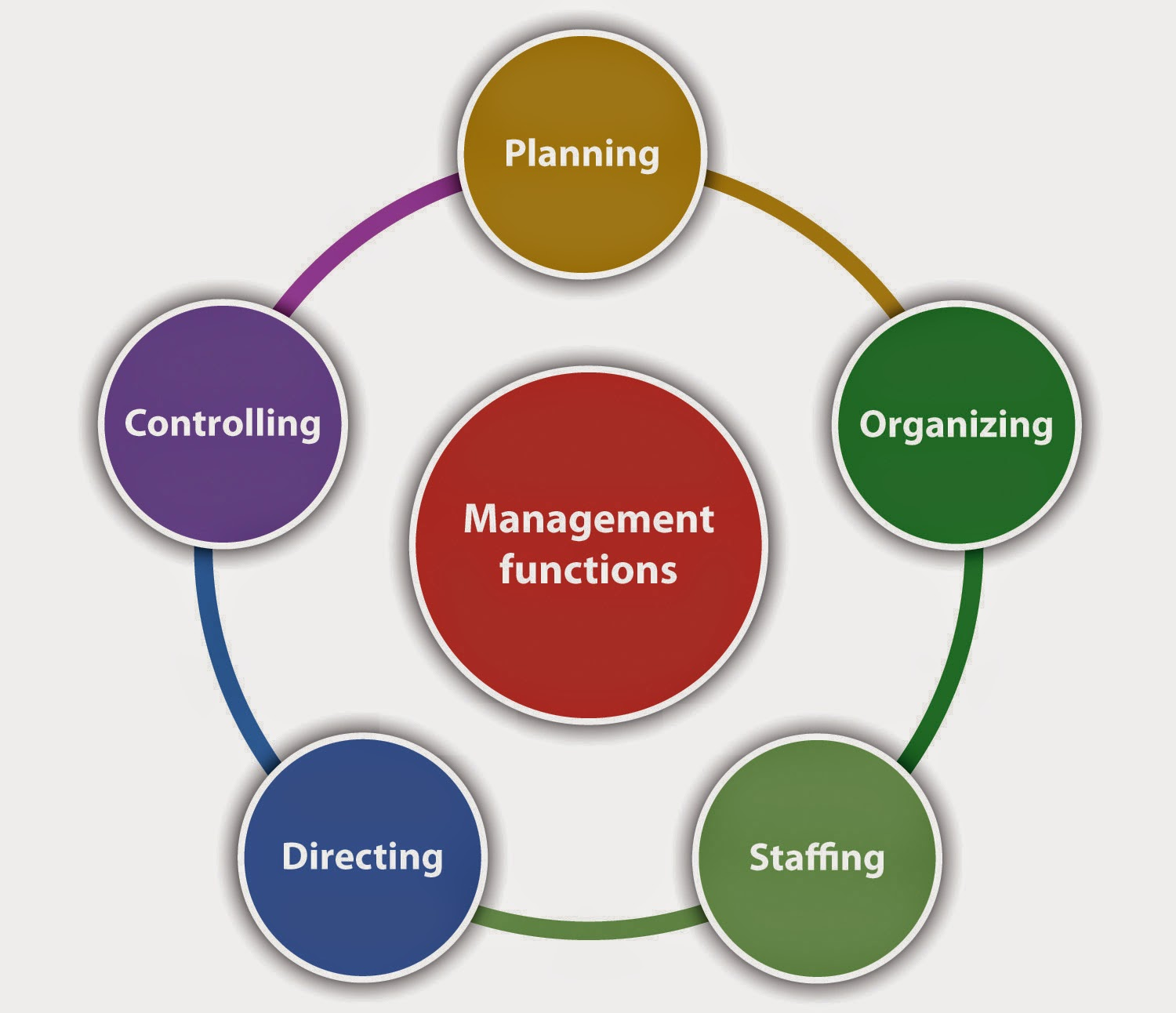
Conflict is a natural part of any workplace where individuals with different backgrounds, perspectives, and goals interact. While conflict is unavoidable, how it is managed determines whether it becomes destructive or constructive. Personnel management plays a crucial role in resolving workplace conflicts effectively, ensuring harmony, productivity, and a positive work environment.
Personnel managers act as mediators, facilitators, and policy enforcers when conflicts arise. Their goal is not just to resolve disputes but to prevent them, promote understanding, and maintain strong working relationships.
In this article, we’ll explore the role of personnel management in conflict resolution, the types of workplace conflicts, methods used, challenges, and best practices.
Understanding Workplace Conflict
Workplace conflict refers to disagreements or disputes between employees, teams, or management.
Common Causes:
- Miscommunication
- Differences in opinions
- Resource allocation issues
- Personality clashes
- Work pressure
Conflict can be constructive if managed properly, leading to innovation and better decision-making.
Importance of Conflict Resolution
Effective conflict resolution is essential for organizational success.
Why It Matters:
- Maintains workplace harmony
- Improves teamwork
- Prevents productivity loss
- Reduces employee stress
- Enhances communication
Unresolved conflict can lead to poor morale and high turnover.
Role of Personnel Management in Conflict Resolution
Personnel managers play multiple roles in managing conflicts.
1. Identifying Conflicts Early
Recognizing signs of conflict before they escalate.
Signs:
- Reduced communication
- Decreased productivity
- Increased tension
2. Acting as a Mediator
Personnel managers facilitate discussions between conflicting parties.
Responsibilities:
- Listening to both sides
- Remaining neutral
- Encouraging open dialogue
3. Investigating Issues
Understanding the root cause of conflict.
Methods:
- Interviews
- Reviewing evidence
- Gathering feedback
4. Developing Solutions
Creating fair and practical solutions.
Approaches:
- Compromise
- Collaboration
- Negotiation
5. Enforcing Policies
Ensuring conflicts are handled according to organizational rules.
6. Promoting Communication
Encouraging clear and respectful communication.
7. Preventing Future Conflicts
Implementing strategies to avoid similar issues.
Types of Workplace Conflict
1. Interpersonal Conflict
Between individuals due to personal differences.
2. Task Conflict
Related to work responsibilities or goals.
3. Organizational Conflict
Due to policies, structure, or resources.
4. Team Conflict
Occurs within teams due to disagreements.
Conflict Resolution Methods
Personnel managers use different methods based on the situation.
1. Negotiation
Both parties discuss and reach a mutual agreement.
2. Mediation
A neutral third party helps resolve the issue.
3. Arbitration
A decision is made by a third party.
4. Collaboration
Working together to find a win-win solution.
5. Compromise
Both parties give up something to resolve the conflict.
Skills Required for Conflict Resolution
Personnel managers need strong skills.
1. Communication Skills
2. Emotional Intelligence
3. Problem-Solving Skills
4. Neutrality and Fairness
5. Decision-Making
Challenges in Conflict Resolution
1. Bias and Partiality
2. Lack of Communication
3. Emotional Reactions
4. Resistance to Resolution
5. Complex Issues
Role of Policies in Conflict Resolution
Personnel policies guide conflict management.
Includes:
- Grievance procedures
- Code of conduct
- Disciplinary actions
Benefits of Effective Conflict Resolution
1. Improved Workplace Relationships
2. Higher Productivity
3. Better Communication
4. Reduced Stress
5. Stronger Teamwork
Preventive Measures
Personnel management also focuses on preventing conflicts.
1. Clear Communication
2. Defined Roles and Responsibilities
3. Training Programs
4. Positive Work Culture
5. Regular Feedback
Role of Technology in Conflict Management
Technology supports conflict resolution.
Tools:
- Communication platforms
- Feedback systems
- HR management software
Best Practices for Conflict Resolution
1. Address Issues Early
2. Stay Neutral and Fair
3. Encourage Open Dialogue
4. Focus on Solutions
5. Follow Organizational Policies
Impact on Organizational Success
Effective conflict resolution leads to:
- Better teamwork
- Higher employee satisfaction
- Improved productivity
- Strong organizational culture
Future Trends in Conflict Resolution
1. Digital Mediation Tools
2. AI-Based Conflict Analysis
3. Focus on Emotional Intelligence
4. Remote Conflict Management
Conclusion
Personnel management plays a vital role in conflict resolution by identifying issues, facilitating communication, and implementing fair solutions. Effective conflict management ensures a harmonious workplace, improves relationships, and enhances productivity.
By using structured approaches and focusing on prevention, personnel managers can turn conflicts into opportunities for growth and improvement. As workplaces evolve, conflict resolution strategies are becoming more proactive, technology-driven, and focused on communication.
Ultimately, managing conflict effectively is essential for building a positive and productive work environment.
- Arts
- Business
- Computers
- Juegos
- Health
- Home
- Kids and Teens
- Money
- News
- Personal Development
- Recreation
- Regional
- Reference
- Science
- Shopping
- Society
- Sports
- Бизнес
- Деньги
- Дом
- Досуг
- Здоровье
- Игры
- Искусство
- Источники информации
- Компьютеры
- Личное развитие
- Наука
- Новости и СМИ
- Общество
- Покупки
- Спорт
- Страны и регионы
- World

 English
 Russian
 French
 Portuguese
 Deutsch
 Turkish
 Dutch
Dutch
 Italiano
 Arabic
 Romaian
 Portuguese (Brazil)
 Greek
Greek