
Is minimalist fashion expensive?
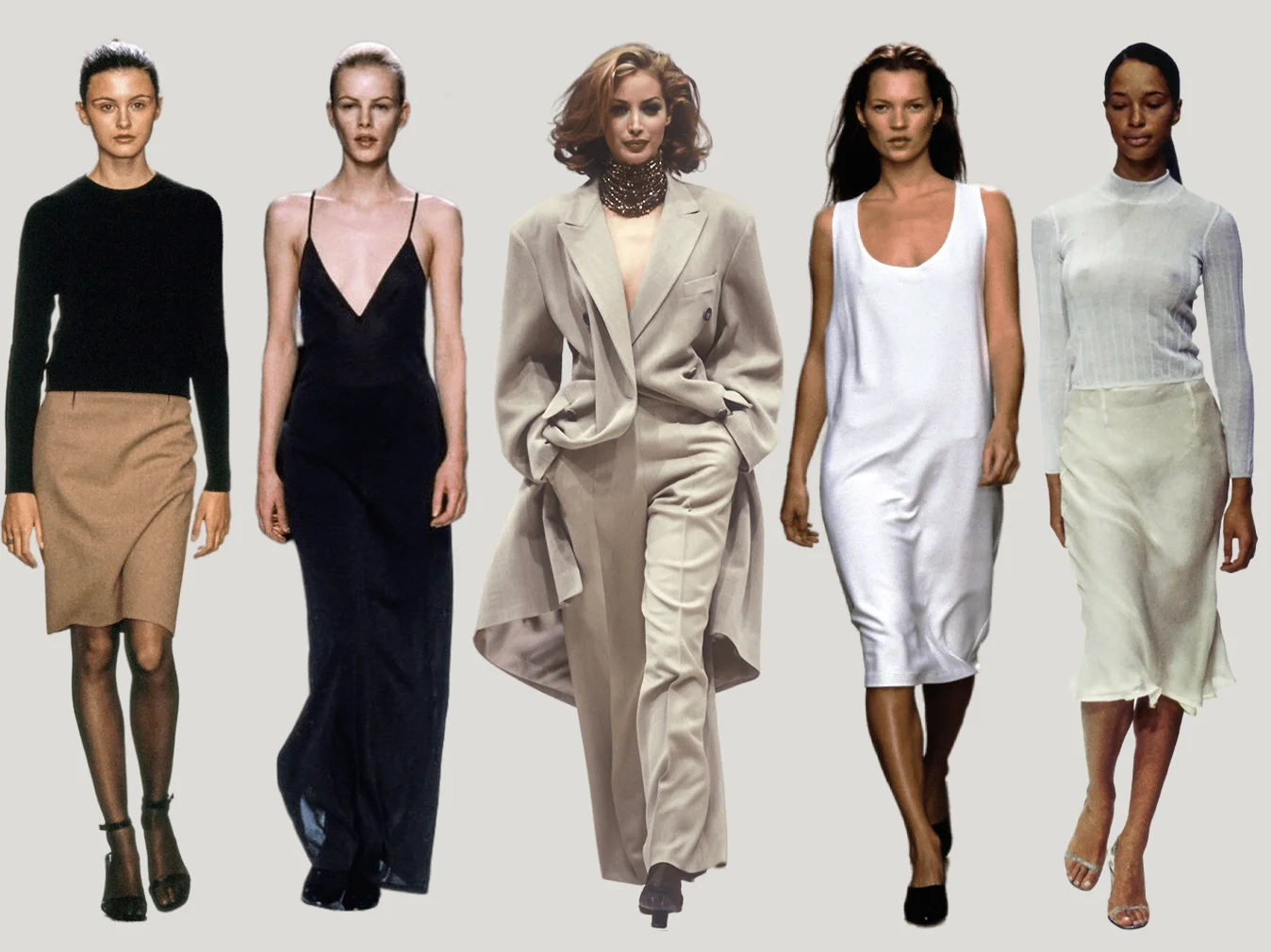
Is Minimalist Fashion Expensive?
Minimalist fashion is often misunderstood as either an ultra-cheap way of dressing or, conversely, a luxury lifestyle reserved for people who can afford high-end basics. In reality, whether minimalist fashion is expensive depends on how it is defined, implemented, and maintained over time. The answer is not a simple yes or no; it is a nuanced relationship between initial cost, long-term spending, quality standards, consumption frequency, and behavioral change.
To properly evaluate the cost of minimalist fashion, we need to separate short-term perception from long-term financial reality, and distinguish between “cheap minimalism” and “quality-driven minimalism.”
1. What Is Meant by “Minimalist Fashion”?
Minimalist fashion is a clothing approach characterized by:
-
A reduced number of clothing items
-
A focus on versatility and interchangeability
-
Neutral or cohesive color palettes
-
Emphasis on quality over quantity
-
Intentional purchasing behavior
It is often associated with concepts like capsule wardrobes and simplified personal style systems.
However, minimalism itself does not dictate price range. A minimalist wardrobe can be built from:
-
Budget clothing
-
Mid-range everyday brands
-
High-end designer basics
The defining factor is not price, but intentionality and reduction of excess.
2. The Core Misconception: “Fewer Clothes = Cheaper Lifestyle”
A common assumption is that owning fewer clothes automatically means spending less money. This is partially true but incomplete.
Minimalist fashion reduces:
-
Frequency of purchases
-
Impulse buying
-
Redundant items
-
Trend-driven consumption
However, it may increase:
-
Cost per individual item
-
Investment in durable materials
-
Spending on timeless, versatile pieces
So while total items decrease, unit cost often increases.
The key distinction is:
Minimalist fashion reduces consumption volume, not necessarily item price.
3. Initial Cost vs Long-Term Cost
To evaluate whether minimalist fashion is expensive, we must separate:
Initial cost (short-term)
This refers to the upfront investment in building a minimalist wardrobe.
Long-term cost (lifecycle spending)
This refers to how much you spend over months or years maintaining your wardrobe.
Initial cost in minimalist fashion:
-
Often higher if prioritizing quality basics
-
Requires replacing or upgrading items at the beginning
-
Involves intentional selection rather than gradual accumulation
Long-term cost:
-
Typically lower due to fewer purchases
-
Reduced replacement frequency
-
Less spending on trend-driven clothing
So minimalist fashion can feel expensive at first, but often becomes cheaper over time.
4. The Role of Quality in Cost
One of the biggest drivers of perceived expense is quality standard.
Minimalist wardrobes usually prioritize:
-
Durable fabrics
-
Better stitching and construction
-
Timeless design
-
Fit and comfort
Higher-quality garments tend to cost more upfront.
However, they also tend to:
-
Last longer
-
Require fewer replacements
-
Maintain appearance over time
This introduces a trade-off:
-
High upfront cost
-
Lower replacement cost
From a financial lifecycle perspective, better-quality clothing can actually reduce long-term spending.
5. Fast Fashion vs Minimalist Fashion Economics
Fast fashion and minimalist fashion represent two different economic models.
Fast fashion model:
-
Low cost per item
-
High purchase frequency
-
Short garment lifespan
-
High total consumption over time
Minimalist fashion model:
-
Higher cost per item
-
Low purchase frequency
-
Long garment lifespan
-
Lower total consumption over time
At first glance, fast fashion appears cheaper. However, because items wear out quickly and trends change constantly, consumers often end up buying more over time.
Minimalist fashion reduces repeat purchasing cycles, which can significantly reduce cumulative spending.
6. Cost Per Wear (CPW) Perspective
A more accurate way to evaluate minimalist fashion cost is Cost Per Wear (CPW).
The formula is conceptually:
Cost per item ÷ number of times worn = CPW
Example:
-
A $20 shirt worn 5 times → $4 per wear
-
A $80 shirt worn 80 times → $1 per wear
Even though the second item is more expensive initially, it is cheaper in practical usage terms.
Minimalist fashion tends to:
-
Increase wear frequency per item
-
Reduce unused clothing
-
Improve CPW efficiency
So while upfront costs may be higher, actual usage value is often greater.
7. Wardrobe Size and Hidden Costs
A large wardrobe carries hidden costs that are often ignored:
-
Storage space requirements
-
Time spent organizing clothing
-
Mental energy for choosing outfits
-
Forgotten or unused items
-
Frequent replacements of cheap clothing
Minimalist fashion reduces these hidden costs significantly.
Even if monetary spending is similar in some cases, the time and cognitive savings represent a real form of value.
8. Psychological Spending Patterns
Minimalist fashion also changes how people spend money.
Non-minimalist behavior often includes:
-
Impulse buying
-
Emotional shopping
-
Trend chasing
-
Redundant purchases
Minimalist behavior emphasizes:
-
Planned purchases
-
Functional needs
-
Long-term usability
-
Wardrobe coherence
This shift reduces unnecessary spending caused by emotional or impulsive decisions.
In many cases, the biggest financial savings from minimalism come not from cheaper clothes, but from avoiding unnecessary purchases altogether.
9. Is Minimalism Only for Expensive Brands?
Another misconception is that minimalist fashion requires expensive “designer basics.”
While high-end minimalist brands exist, they are not required.
Minimalist wardrobes can be built using:
-
Affordable basics
-
Mid-range durable brands
-
Second-hand clothing
-
Carefully selected budget items
The key is not brand prestige but:
-
Simplicity of design
-
Neutrality and versatility
-
Durability relative to price
Thus, minimalist fashion is not inherently tied to luxury spending.
10. The “Capsule Wardrobe Investment Phase”
One reason minimalist fashion is perceived as expensive is the initial restructuring phase.
When transitioning to a minimalist wardrobe, people often:
-
Remove unused clothing
-
Identify gaps in essential items
-
Replace low-quality items with better ones
-
Rebuild wardrobe coherence
This phase can involve spending, especially if replacing many items at once.
However, this is a one-time restructuring cost rather than continuous spending.
After this phase, spending typically decreases significantly.
11. Lifestyle Dependence of Cost
The cost of minimalist fashion also depends heavily on lifestyle.
Low variability lifestyle:
(e.g., office work, consistent climate)
-
Easier to build small wardrobe
-
Lower cost overall
-
High reuse rate of clothing
High variability lifestyle:
(e.g., travel, outdoor activity, climate changes)
-
Requires more specialized clothing
-
Larger wardrobe needed
-
Higher cost potential
Minimalism scales differently depending on complexity of daily life.
12. Maintenance and Replacement Cycles
One often overlooked factor is replacement frequency.
In non-minimalist wardrobes:
-
Clothing is often cheaper but replaced frequently
-
Items may be discarded due to wear or trend changes
In minimalist wardrobes:
-
Items are replaced less frequently
-
Higher durability reduces replacement cycles
Over time, this reduces recurring expenses.
Even if each item costs more, fewer replacements often balance or reduce total spending.
13. The Real Cost Driver: Consumption Frequency
Ultimately, the main factor determining whether minimalist fashion is expensive is how often you buy clothes.
-
High-frequency purchasing → expensive over time
-
Low-frequency purchasing → cheaper over time
Minimalism directly targets consumption frequency reduction.
This makes it one of the most effective lifestyle approaches for controlling clothing-related spending.
14. Value Shift: From Quantity to Utility
Minimalist fashion shifts the concept of value:
Instead of valuing:
-
Number of items owned
It values:
-
Utility per item
-
Versatility
-
Longevity
-
Satisfaction per wear
This redefinition of value changes how “expensive” clothing feels.
A wardrobe with fewer but more useful items often feels more valuable, even if initial costs were higher.
15. When Minimalist Fashion Can Be Expensive
There are scenarios where minimalist fashion can be expensive:
-
Choosing high-end designer basics exclusively
-
Rebuilding an entire wardrobe at once
-
Living in climates requiring specialized clothing
-
Frequent professional dress requirements
-
Prioritizing aesthetics over durability or practicality
In these cases, costs can rise significantly.
Minimalism is not inherently budget-saving; it depends on implementation.
16. When Minimalist Fashion Saves Money
Minimalist fashion is likely to save money when:
-
Impulse shopping is reduced
-
Wardrobe is stable and well-planned
-
Items are worn frequently and maintained well
-
Fast fashion dependency is eliminated
-
Consumption habits are intentionally controlled
In these cases, long-term spending typically decreases.
Conclusion
Minimalist fashion is not inherently expensive or cheap. It is a different cost structure rather than a fixed price category.
Its financial impact depends on:
-
Initial investment in wardrobe restructuring
-
Quality level of chosen clothing
-
Frequency of consumption
-
Lifestyle complexity
-
Long-term usage patterns
In most cases, minimalist fashion may feel more expensive initially due to higher-quality purchases and wardrobe restructuring. However, over time, it often becomes more economical due to reduced consumption, fewer replacements, and increased clothing efficiency.
The most accurate conclusion is:
Minimalist fashion shifts spending from frequent, low-cost, high-volume purchases to infrequent, higher-quality, lower-volume investments—often reducing total lifetime clothing costs while increasing perceived value per item.
- Arts
- Business
- Computers
- الألعاب
- Health
- الرئيسية
- Kids and Teens
- مال
- News
- Personal Development
- Recreation
- Regional
- Reference
- Science
- Shopping
- Society
- Sports
- Бизнес
- Деньги
- Дом
- Досуг
- Здоровье
- Игры
- Искусство
- Источники информации
- Компьютеры
- Личное развитие
- Наука
- Новости и СМИ
- Общество
- Покупки
- Спорт
- Страны и регионы
- World

 English
 Russian
 French
 Spanish
 Portuguese
 Deutsch
 Turkish
 Dutch
Dutch
 Italiano
 Romaian
 Portuguese (Brazil)
 Greek
Greek