
What happens when interest rates go up or down?
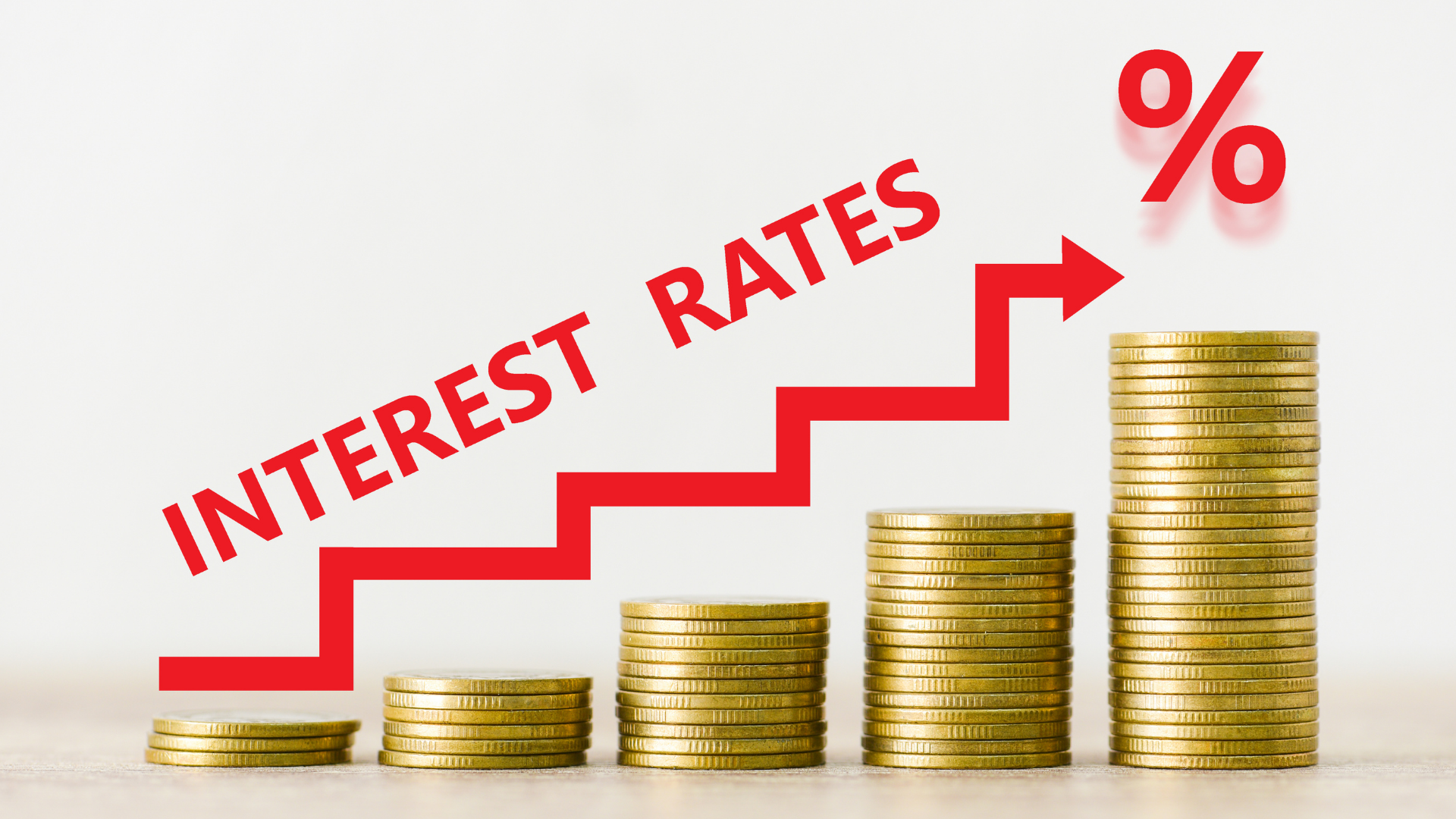
Interest rates are one of the most powerful tools in the economy. Set primarily by central banks and influenced by market forces, they affect how much it costs to borrow money and how much you earn from saving it. When interest rates go up or down, the effects ripple through households, businesses, governments, and financial markets. Understanding these movements helps explain changes in spending, investing, inflation, and economic growth.
What Are Interest Rates?
At their core, interest rates represent the cost of borrowing money or the reward for saving it. If you take out a loan, the interest rate determines how much extra you must repay. If you deposit money in a bank, the rate determines how much you earn over time.
Central banks, such as the Federal Reserve or the European Central Bank, influence short-term interest rates to guide the economy. Commercial banks then adjust their own rates for loans and savings based on these benchmarks.
When Interest Rates Go Up
Rising interest rates are often used to cool down an overheating economy or to fight inflation. When borrowing becomes more expensive, people and businesses tend to spend less. This has several key effects:
1. Borrowing Becomes More Expensive
Higher interest rates mean loans cost more. Mortgages, car loans, and credit card interest rates typically increase. As a result:
-
Fewer people take out new loans
-
Monthly payments on variable-rate loans rise
-
Big purchases, like homes or cars, may be delayed
For example, a higher mortgage rate can significantly increase monthly payments, making homeownership less affordable and slowing down the housing market.
2. Saving Becomes More Attractive
As interest rates rise, banks usually offer better returns on savings accounts, fixed deposits, and bonds. This encourages people to:
-
Save more money
-
Spend less on non-essential goods
This shift from spending to saving helps reduce demand in the economy, which can slow inflation.
3. Business Investment Slows
Companies often rely on borrowing to fund expansion, new projects, or hiring. When interest rates increase:
-
Loans for businesses become more costly
-
Investment projects may be postponed or canceled
-
Hiring may slow down
This can lead to slower economic growth and, in some cases, higher unemployment.
4. Inflation Tends to Decrease
One of the main reasons central banks raise rates is to control inflation. By reducing spending and investment:
-
Demand for goods and services falls
-
Price increases begin to slow
However, this process takes time, and central banks must balance the risk of slowing the economy too much.
5. Financial Markets React
Higher interest rates often impact stock and bond markets:
-
Stock prices may fall, as borrowing costs rise and company profits come under pressure
-
Bond yields increase, making newly issued bonds more attractive
-
Existing bond prices usually decline
Investors may shift their portfolios toward safer, interest-bearing assets.
6. Currency Strengthens
Higher interest rates can attract foreign investors looking for better returns. This increases demand for the country’s currency, which can:
-
Strengthen the currency’s value
-
Make imports cheaper
-
Make exports more expensive
While a stronger currency can help reduce inflation, it may hurt export-driven industries.
When Interest Rates Go Down
Lower interest rates are typically used to stimulate economic growth, especially during recessions or periods of weak demand. Cheaper borrowing encourages spending and investment.
1. Borrowing Becomes Cheaper
When interest rates fall:
-
Loans become more affordable
-
Monthly payments on variable-rate loans decrease
-
Consumers are more likely to take out mortgages, car loans, or personal loans
This can boost spending on big-ticket items and stimulate economic activity.
2. Saving Becomes Less Rewarding
Lower rates mean lower returns on savings accounts and fixed-income investments. As a result:
-
People may save less
-
Consumers may spend more or seek higher returns elsewhere
This increase in spending helps drive economic growth.
3. Business Investment Increases
Lower borrowing costs make it easier for businesses to invest in growth. Companies may:
-
Expand operations
-
Invest in new technology
-
Hire more workers
This can lead to job creation and increased productivity.
4. Inflation May Rise
As spending and investment increase, demand for goods and services rises. This can lead to:
-
Higher prices
-
Increased inflation
Moderate inflation is often a sign of a healthy economy, but if it rises too quickly, it can become a problem.
5. Financial Markets Benefit
Lower interest rates often support stock markets:
-
Companies can borrow cheaply, boosting profits
-
Investors may move money from low-yield savings into stocks
-
Stock prices often rise as demand increases
Bond markets react differently: while existing bonds become more valuable, new bonds offer lower yields.
6. Currency May Weaken
Lower interest rates can reduce foreign investment, leading to:
-
A weaker currency
-
More expensive imports
-
More competitive exports
This can benefit export-driven economies but may contribute to inflation through higher import prices.
The Broader Economic Cycle
Interest rates are closely tied to the economic cycle. Central banks adjust them in response to changing conditions:
-
During economic booms: Rates may rise to prevent overheating and control inflation
-
During recessions: Rates may fall to encourage borrowing, spending, and recovery
This balancing act is crucial. Raising rates too quickly can slow growth sharply, while keeping them too low for too long can lead to excessive inflation or financial bubbles.
Impact on Everyday Life
Interest rate changes are not just abstract economic concepts—they directly affect daily life:
-
Homeowners: Mortgage payments can rise or fall
-
Consumers: Credit card and loan costs change
-
Savers: Returns on savings accounts fluctuate
-
Workers: Job opportunities may expand or contract depending on business conditions
Even small changes in interest rates can have noticeable effects over time.
Risks and Trade-offs
Interest rate decisions involve trade-offs:
-
High rates: Control inflation but may slow growth and increase unemployment
-
Low rates: Boost growth but risk higher inflation and asset bubbles
Central banks must carefully assess economic data, including inflation, employment, and growth, to make informed decisions.
Conclusion
When interest rates go up or down, the effects spread throughout the entire economy. Higher rates tend to slow borrowing, spending, and inflation, while lower rates encourage economic activity and growth. These shifts influence everything from mortgage payments to stock markets and job opportunities.
Understanding how interest rates work provides valuable insight into the broader economy. Whether you are a consumer, investor, or business owner, paying attention to interest rate changes can help you make more informed financial decisions.
- Arts
- Business
- Computers
- Παιχνίδια
- Health
- Κεντρική Σελίδα
- Kids and Teens
- Money
- News
- Personal Development
- Recreation
- Regional
- Reference
- Science
- Shopping
- Society
- Sports
- Бизнес
- Деньги
- Дом
- Досуг
- Здоровье
- Игры
- Искусство
- Источники информации
- Компьютеры
- Личное развитие
- Наука
- Новости и СМИ
- Общество
- Покупки
- Спорт
- Страны и регионы
- World

 English
 Russian
 French
 Spanish
 Portuguese
 Deutsch
 Turkish
 Dutch
Dutch
 Italiano
 Arabic
 Romaian
 Portuguese (Brazil)