
Why do governments increase taxes?
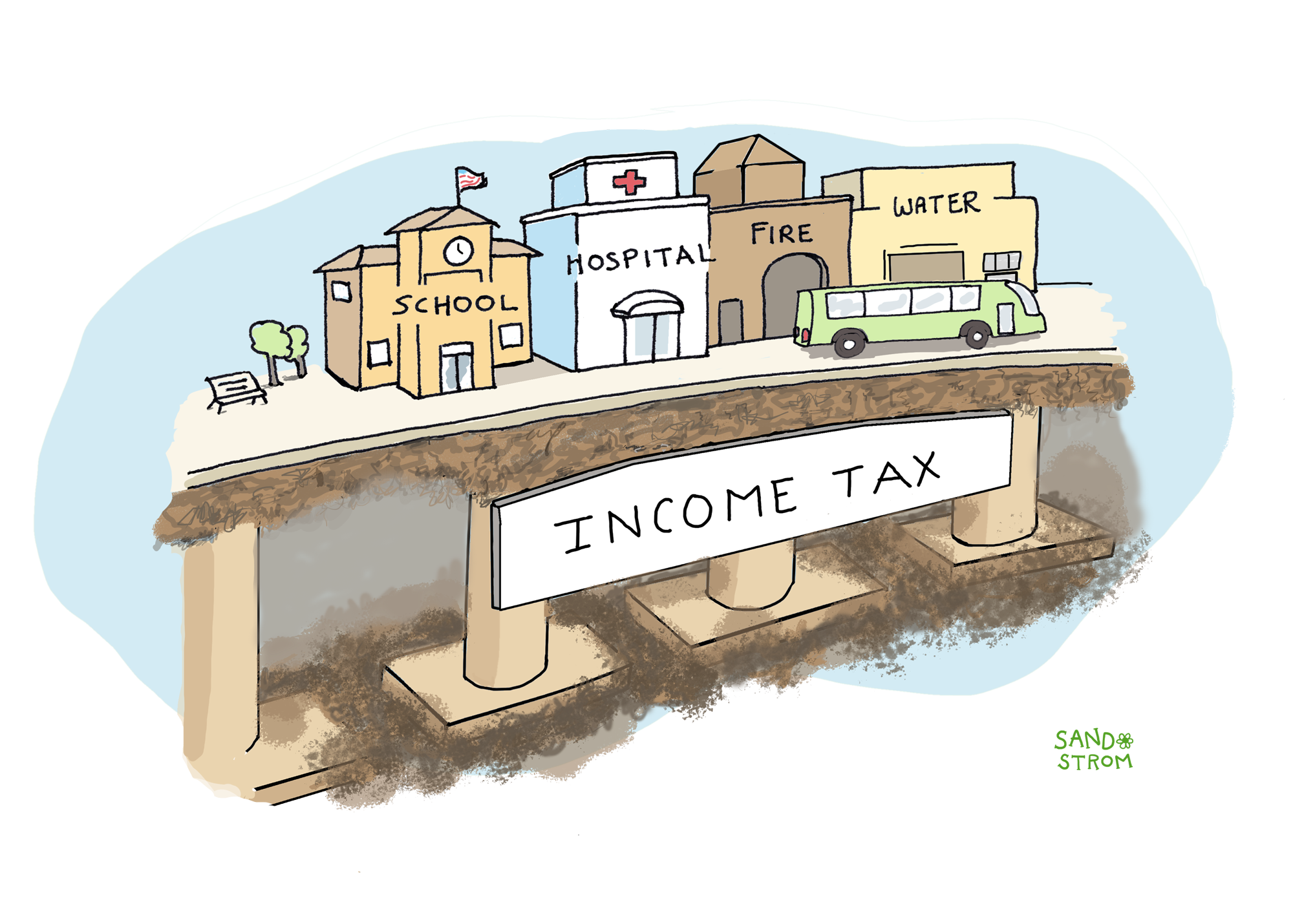
Governments increase taxes for a variety of economic, political, and social reasons. While tax hikes are often unpopular, they play a central role in how modern states function. Understanding why governments raise taxes requires looking at how public finances work, what pressures policymakers face, and what goals they aim to achieve.
Funding Public Services
The most straightforward reason for increasing taxes is to fund public services. Governments are responsible for providing essential goods such as healthcare, education, infrastructure, law enforcement, and national defense. As populations grow or expectations for these services rise, costs increase.
For example, an aging population can significantly raise healthcare and pension expenses. Similarly, expanding cities require more roads, public transportation, and utilities. When existing tax revenues are not sufficient to cover these growing demands, governments may raise taxes to bridge the gap.
Reducing Budget Deficits
Another key reason is to reduce budget deficits. A deficit occurs when a government spends more than it collects in revenue. While governments can borrow money to finance deficits, excessive borrowing leads to rising public debt.
High levels of debt can become risky. Governments must pay interest on their debt, which can crowd out spending on other priorities. If investors lose confidence, borrowing costs can rise sharply. Increasing taxes is one way to improve fiscal balance and reassure lenders that the government can manage its finances responsibly.
Stabilizing the Economy
Tax increases are also used as a tool of fiscal policy to stabilize the economy. During periods of strong economic growth, governments may raise taxes to prevent overheating. When too much money circulates in the economy, it can lead to inflation—rising prices that reduce purchasing power.
By increasing taxes, governments effectively reduce disposable income, slowing down consumer spending and easing inflationary pressures. This is sometimes referred to as a “cooling” measure in economic policy.
Addressing Inequality
Governments often use tax policy to reduce income and wealth inequality. Progressive tax systems, where higher-income individuals pay a larger percentage of their income, are designed with this goal in mind.
Raising taxes on wealthier individuals or large corporations can generate revenue that is then redistributed through social programs, public services, or direct transfers. These measures aim to create a more balanced society by supporting lower-income groups and expanding opportunities.
Responding to Crises
Crises—such as wars, natural disasters, or economic downturns—frequently lead to tax increases. During such times, government spending tends to rise sharply. For instance, a war requires increased defense spending, while an economic crisis may require stimulus measures or financial support for businesses and households.
Once the immediate crisis subsides, governments often face higher debt levels. Raising taxes becomes a way to repay that debt and restore fiscal stability.
Investing in Long-Term Growth
Tax increases can also be used to finance long-term investments that promote economic growth. These might include infrastructure projects, research and development, education, and green energy initiatives.
While such investments require significant upfront spending, they can improve productivity and living standards over time. Governments may justify tax increases by arguing that the long-term benefits outweigh the short-term costs to taxpayers.
Influencing Behavior
Taxes are not only about raising revenue—they are also used to influence behavior. Governments sometimes increase taxes on goods and activities they want to discourage.
Examples include higher taxes on tobacco, alcohol, and carbon emissions. These “sin taxes” or environmental taxes aim to reduce harmful behaviors while simultaneously generating revenue. In such cases, the goal is both economic and social.
Political Considerations
Political factors also play a role in tax increases. Governments must balance competing interests and priorities, and tax decisions often reflect broader political strategies.
For instance, a government may raise taxes to fund popular programs that strengthen public support. Alternatively, it may shift the tax burden toward certain groups based on political ideology or campaign promises. Tax policy is rarely purely economic—it is shaped by negotiations, public opinion, and electoral considerations.
Inflation and Real Revenue
Inflation can indirectly influence tax policy as well. When prices rise, the cost of providing public services increases. Governments may need to raise taxes simply to maintain the same level of services in real terms.
Additionally, some tax systems are structured in ways that automatically increase revenue during inflation, a phenomenon known as “bracket creep.” However, governments may still implement explicit tax hikes to keep pace with rising expenditures.
Global Pressures and Competition
In an increasingly interconnected world, governments must also consider international factors. Changes in global markets, trade relationships, and capital flows can affect domestic tax policy.
For example, if a country faces declining revenue from exports or natural resources, it may compensate by raising taxes elsewhere. At the same time, governments must be cautious not to raise taxes too much, as this could discourage investment or drive businesses to relocate to lower-tax jurisdictions.
Challenges and Trade-Offs
While there are many reasons to increase taxes, such decisions come with trade-offs. Higher taxes can reduce disposable income, potentially slowing economic growth. Businesses may invest less, and individuals may alter their work or spending habits.
Policymakers must carefully weigh these effects against the benefits of increased revenue. The timing, structure, and scale of tax increases all matter. A poorly designed tax hike can do more harm than good, while a well-targeted one can support economic stability and social progress.
Public Perception and Trust
Public acceptance of tax increases depends heavily on trust in government. If people believe that tax revenue is being used efficiently and fairly, they are more likely to support higher taxes. On the other hand, concerns about corruption, waste, or inequality can lead to resistance.
Transparency, accountability, and clear communication are therefore essential. Governments often need to explain why tax increases are necessary and how the funds will be used.
Conclusion
Governments increase taxes for a range of interconnected reasons: to fund essential services, reduce deficits, stabilize the economy, address inequality, respond to crises, and invest in the future. They may also use taxes to influence behavior and navigate political or global pressures.
While tax increases are often controversial, they are a fundamental tool of public policy. The challenge for governments is to strike the right balance—raising enough revenue to meet societal needs without placing undue burdens on individuals and businesses. In the end, effective tax policy depends not only on economic principles but also on public trust and political judgment.
- Arts
- Business
- Computers
- Jocuri
- Health
- Home
- Kids and Teens
- Money
- News
- Personal Development
- Recreation
- Regional
- Reference
- Science
- Shopping
- Society
- Sports
- Бизнес
- Деньги
- Дом
- Досуг
- Здоровье
- Игры
- Искусство
- Источники информации
- Компьютеры
- Личное развитие
- Наука
- Новости и СМИ
- Общество
- Покупки
- Спорт
- Страны и регионы
- World

 English
 Russian
 French
 Spanish
 Portuguese
 Deutsch
 Turkish
 Dutch
Dutch
 Italiano
 Arabic
 Portuguese (Brazil)
 Greek
Greek