
How to Prioritize Tasks Effectively?
Effective task prioritization is one of the most important skills in office administration and professional work environments. With constant emails, deadlines, meetings, and unexpected requests, it can be difficult to decide what to do first. Without proper prioritization, even the most hardworking individuals can feel overwhelmed, miss deadlines, or focus on the wrong tasks.
Prioritizing tasks effectively means identifying what is most important, organizing your workload, and using your time wisely to achieve the best results. It is not just about doing more—it is about doing the right things at the right time.
Understanding Task Prioritization
Task prioritization is the process of organizing tasks based on their importance and urgency.
It involves:
- Deciding what needs immediate attention
- Identifying high-impact tasks
- Managing deadlines
- Allocating time efficiently
Good prioritization ensures that critical tasks are completed first.
Why Prioritization Is Important
Without prioritization, work becomes chaotic.
Effective prioritization helps:
- Improve productivity
- Reduce stress
- Meet deadlines
- Increase efficiency
- Maintain focus
It ensures that important work is not overlooked.
Start with a Task List
The first step in prioritization is listing all your tasks.
You should:
- Write down everything you need to do
- Include deadlines and details
- Keep the list updated
A clear task list provides a complete overview of your workload.
Identify Urgent vs Important Tasks
Not all tasks are equal.
Understanding the difference is key:
- Urgent tasks require immediate action
- Important tasks contribute to long-term goals
Focusing only on urgent tasks can lead to neglecting important work.
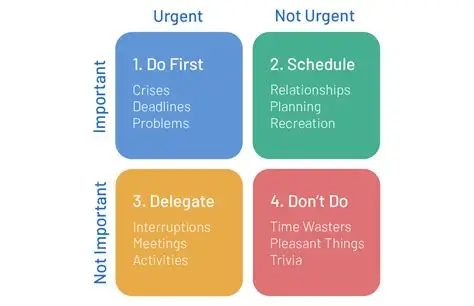
Use the Eisenhower Matrix
The Eisenhower Matrix is a powerful prioritization tool.
It divides tasks into four categories:
- Urgent and important (do immediately)
- Important but not urgent (schedule)
- Urgent but not important (delegate)
- Neither urgent nor important (eliminate)
This method helps you focus on what truly matters.
Rank Tasks by Importance
Assign priority levels to tasks.
For example:
- High priority
- Medium priority
- Low priority
This helps you decide what to work on first.
Consider Deadlines
Deadlines play a major role in prioritization.
You should:
- Identify due dates
- Work backward from deadlines
- Start tasks early
Managing deadlines prevents last-minute stress.
Focus on High-Impact Tasks
Some tasks have a greater impact than others.
To improve efficiency:
- Identify tasks that produce the most results
- Focus on those first
This approach maximizes productivity.
Use Digital Tools for Prioritization
Technology can help manage tasks effectively.
Tools like:
- Microsoft Outlook
- Microsoft Excel
help track tasks, deadlines, and priorities.
Break Tasks into Smaller Steps
Large tasks can feel overwhelming.
To manage them:
- Divide tasks into smaller actions
- Complete one step at a time
This makes prioritization easier.
Avoid Multitasking
Multitasking reduces efficiency.
Instead:
- Focus on one task at a time
- Complete it before moving on
This improves quality and productivity.
Set Realistic Goals
Unrealistic expectations can disrupt prioritization.
You should:
- Set achievable goals
- Avoid overloading your schedule
Realistic planning improves performance.
Review and Adjust Priorities Regularly
Priorities can change throughout the day.
You should:
- Review your task list
- Adjust priorities as needed
- Stay flexible
Regular updates ensure effectiveness.
Learn to Say No
Taking on too many tasks makes prioritization difficult.
You should:
- Decline unnecessary work
- Focus on your responsibilities
Setting boundaries helps maintain control.
Delegate When Possible
Delegation helps manage workload.
You should:
- Assign tasks to others when appropriate
- Focus on high-priority work
Delegation improves efficiency.
Use Time Blocking
Time blocking helps allocate time for tasks.
You can:
- Schedule specific time slots
- Focus on one task during each block
This improves concentration.
Handle Interruptions Effectively
Interruptions can disrupt priorities.
To manage them:
- Set boundaries
- Limit distractions
- Return to tasks quickly
Managing interruptions improves focus.
Group Similar Tasks Together
Batching tasks improves efficiency.
For example:
- Respond to emails at once
- Complete similar tasks together
This reduces time spent switching between tasks.
Stay Organized
Organization supports prioritization.
You should:
- Keep files structured
- Maintain clear systems
- Track tasks effectively
Organization reduces confusion.
Use the 80/20 Rule
The Pareto Principle suggests:
- 80% of results come from 20% of efforts
Focus on high-impact tasks for better results.
Manage Energy, Not Just Time
Energy levels affect productivity.
You should:
- Work on important tasks when energy is high
- Schedule easier tasks during low-energy periods
Managing energy improves efficiency.
Avoid Procrastination
Procrastination disrupts prioritization.
To overcome it:
- Start tasks early
- Break tasks into smaller steps
- Set deadlines
Taking action is essential.
Track Progress
Monitoring progress helps improve prioritization.
You can:
- Review completed tasks
- Adjust strategies
Tracking keeps you accountable.
Improve Decision-Making Skills
Prioritization requires good decisions.
You should:
- Evaluate task importance
- Consider consequences
- Choose wisely
Better decisions lead to better outcomes.
Maintain Flexibility
Work environments can be unpredictable.
You should:
- Adapt to changes
- Re-prioritize tasks
- Stay calm
Flexibility ensures effectiveness.
Build Consistent Habits
Habits improve prioritization.
Examples include:
- Planning daily
- Reviewing tasks regularly
- Staying organized
Consistency leads to success.
Common Mistakes to Avoid
Avoid these prioritization mistakes:
- Focusing only on urgent tasks
- Ignoring important work
- Overloading your schedule
- Poor planning
Avoiding mistakes improves efficiency.
Benefits of Effective Prioritization
Good prioritization leads to:
- Increased productivity
- Reduced stress
- Better time management
- Improved work quality
It is essential for professional success.
Long-Term Impact of Prioritization Skills
Over time, strong prioritization skills:
- Improve efficiency
- Enhance career growth
- Build reliability
They are valuable in any profession.
Conclusion
Prioritizing tasks effectively is a crucial skill for managing workload and achieving success in the workplace. By understanding task importance, using prioritization techniques, and leveraging tools, individuals can focus on what truly matters and complete work efficiently.
With consistent practice and the right strategies, task prioritization becomes easier and more effective, leading to better productivity and reduced stress.
- Arts
- Business
- Computers
- Jocuri
- Health
- Home
- Kids and Teens
- Money
- News
- Personal Development
- Recreation
- Regional
- Reference
- Science
- Shopping
- Society
- Sports
- Бизнес
- Деньги
- Дом
- Досуг
- Здоровье
- Игры
- Искусство
- Источники информации
- Компьютеры
- Личное развитие
- Наука
- Новости и СМИ
- Общество
- Покупки
- Спорт
- Страны и регионы
- World

 English
 Russian
 French
 Spanish
 Portuguese
 Deutsch
 Turkish
 Dutch
Dutch
 Italiano
 Arabic
 Portuguese (Brazil)
 Greek
Greek