
How to Protect Data in Automated Systems
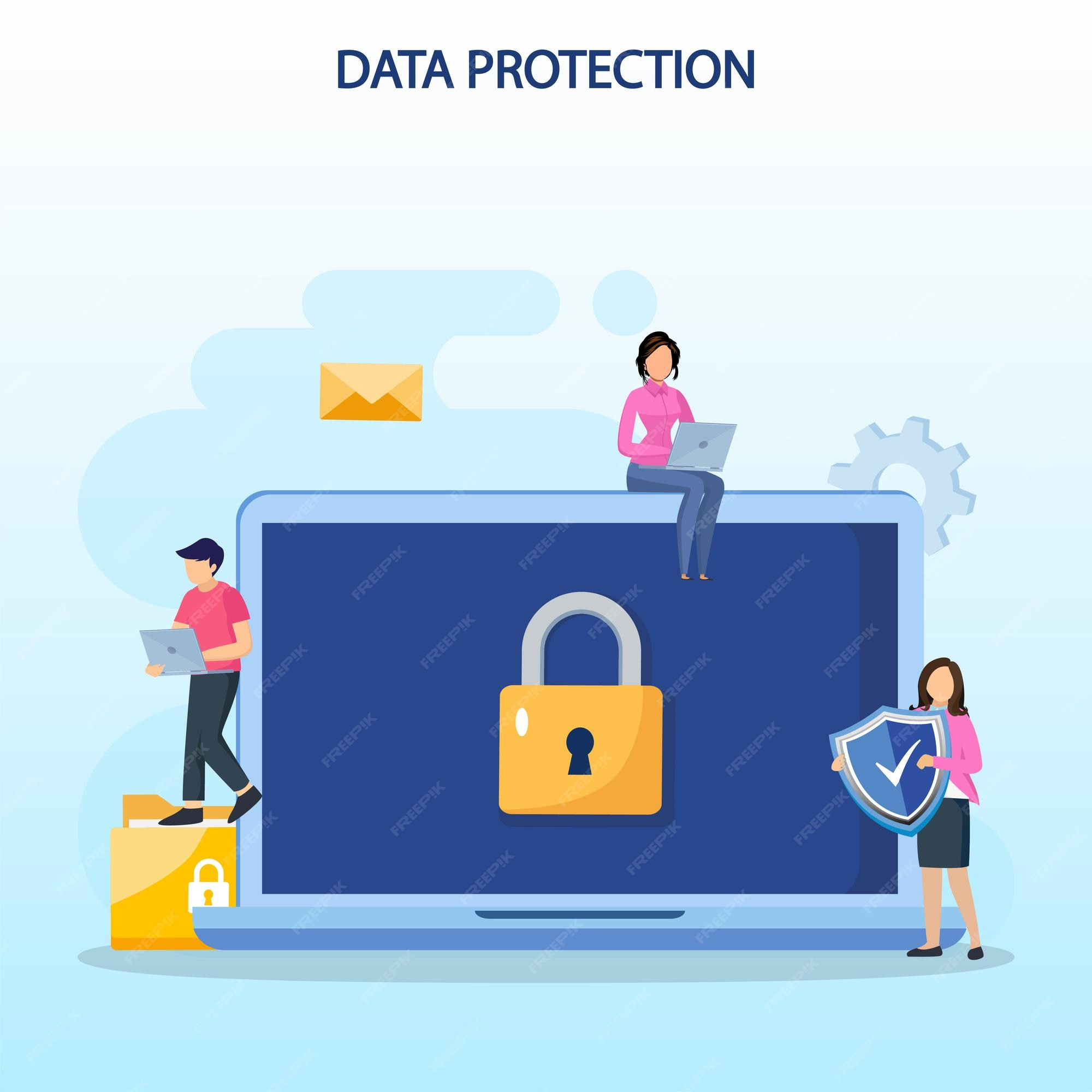
Automation has transformed the way organizations handle information. Data flows faster, processes run continuously, and decisions are made with minimal human intervention. Yet this efficiency introduces a critical question: how do you protect data when it is constantly in motion?
In automated environments, data is no longer confined to a single system or moment. It moves across platforms, triggers actions, and fuels decisions. Protecting it requires more than traditional security measures—it demands a thoughtful, layered approach that evolves alongside the systems themselves.
Understanding the Nature of Automated Data
Before protection comes understanding.
Automated systems rely on data as both input and output. Information is collected, processed, stored, and redistributed—often in real time. Unlike manual processes, where human oversight naturally introduces pauses, automation removes friction. This means data exposure can happen faster and at a larger scale.
Sensitive data may pass through multiple systems in seconds. Each transition becomes a potential vulnerability. Recognizing these touchpoints is the first step toward meaningful protection.
The Principle of Least Privilege
One of the most effective safeguards is also one of the simplest: limit access.
The principle of least privilege ensures that users and systems only have access to the data they absolutely need. In automated systems, this applies not only to people but also to applications, bots, and integrations.
When permissions are too broad, a single compromised account can expose vast amounts of information. By narrowing access, organizations reduce the potential impact of breaches.
Access should not be static. It must be reviewed regularly, adjusted as roles change, and revoked when no longer necessary.
Encryption as a Foundation
Data protection begins with encryption.
Information should be encrypted both at rest and in transit. This ensures that even if data is intercepted or accessed without authorization, it remains unreadable.
In automated systems, encryption must extend across all integrations. APIs, cloud services, and third-party tools should all adhere to strong encryption standards.
However, encryption alone is not enough. Key management—how encryption keys are stored and accessed—is equally critical. Poor key management can undermine even the strongest encryption.
Securing Integrations and APIs
Automation thrives on connectivity. Systems communicate through APIs, enabling seamless workflows. But each connection introduces risk.
APIs must be secured with authentication, authorization, and rate limiting. Unsecured endpoints can become entry points for attackers.
It’s also important to monitor API activity. Unusual patterns—such as sudden spikes in requests—can signal attempted breaches or misuse.
Third-party integrations require particular attention. Trusting a service does not eliminate risk. Organizations should evaluate vendors carefully, ensuring they meet security standards and compliance requirements.
Continuous Monitoring and Alerts
Automation operates continuously, and so must security.
Real-time monitoring allows organizations to detect anomalies as they occur. This includes unusual access patterns, unexpected data transfers, or system behavior that deviates from the norm.
Alerts should be meaningful, not overwhelming. Too many notifications can lead to fatigue, causing critical warnings to be overlooked.
Effective monitoring is not just about detection—it’s about response. Teams must be prepared to act quickly when issues arise.
Data Minimization
Not all data needs to be collected or stored.
Data minimization reduces risk by limiting the amount of information handled by automated systems. The less data there is, the less there is to protect.
Organizations should ask:
- Is this data necessary?
- How long should it be retained?
- Can it be anonymized or aggregated?
By reducing data volume, organizations simplify security and improve compliance.
Regular Audits and Testing
Security is not a one-time effort.
Automated systems should be audited regularly to identify vulnerabilities. This includes reviewing access controls, testing integrations, and evaluating system configurations.
Penetration testing can reveal weaknesses before they are exploited. Simulated attacks provide valuable insight into how systems respond under pressure.
Audits also ensure that security measures remain aligned with evolving regulations and business needs.
Backup and Recovery Planning
Even with strong protections, incidents can occur.
Backup systems ensure that data can be restored in case of loss, corruption, or attack. In automated environments, backups must be frequent and reliable.
Equally important is recovery planning. Organizations should know how quickly they can restore operations and what steps are required.
Testing recovery processes is essential. A plan that exists only on paper may fail in practice.
Human Awareness and Training
Technology alone cannot guarantee security.
Employees play a crucial role in protecting data. In automated systems, their responsibilities may shift, but their importance remains.
Training should focus on:
- Recognizing phishing attempts
- Understanding access controls
- Following data handling policies
When people understand the systems they work with, they become active participants in security rather than passive users.
Compliance and Governance
Data protection is not just a technical issue—it is a regulatory one.
Automated systems must comply with data protection laws and industry standards. This includes managing consent, ensuring transparency, and enabling data access or deletion when required.
Governance frameworks help organizations maintain accountability. They define roles, responsibilities, and processes for managing data securely.
Without clear governance, even well-designed systems can fall short.
Managing System Updates and Changes
Automation systems evolve over time. Updates, patches, and new integrations introduce change—and with change comes risk.
Unpatched systems are vulnerable systems. Regular updates are essential to address known security issues.
However, updates must be tested carefully. Changes can introduce new vulnerabilities or disrupt existing protections.
A structured change management process ensures that updates enhance security rather than compromise it.
The Role of Zero Trust Architecture
Traditional security models assume that internal systems are safe. Modern approaches challenge this assumption.
Zero trust architecture operates on the principle that no user or system should be trusted by default. Every access request is verified, regardless of its origin.
In automated environments, this approach is particularly effective. It ensures that each interaction—whether human or machine—is authenticated and authorized.
Zero trust does not eliminate risk, but it significantly reduces the likelihood of widespread breaches.
Balancing Security and Efficiency
There is often a tension between security and usability.
Too many restrictions can slow down processes and frustrate users. Too few can expose data to unnecessary risk.
The goal is not to choose one over the other, but to balance them. Security should support automation, not hinder it.
Thoughtful design ensures that protections are integrated seamlessly into workflows.
Final Thoughts
Protecting data in automated systems is not about building walls—it’s about creating resilient ecosystems.
Data will move. Systems will evolve. Threats will change. The challenge is to remain adaptable, vigilant, and intentional.
Automation offers immense potential, but it also demands responsibility. Data is not just an asset—it is a trust.
Organizations that treat it with care will not only reduce risk but also build confidence, credibility, and long-term success.
- Arts
- Business
- Computers
- Oyunlar
- Health
- Home
- Kids and Teens
- Money
- News
- Personal Development
- Recreation
- Regional
- Reference
- Science
- Shopping
- Society
- Sports
- Бизнес
- Деньги
- Дом
- Досуг
- Здоровье
- Игры
- Искусство
- Источники информации
- Компьютеры
- Личное развитие
- Наука
- Новости и СМИ
- Общество
- Покупки
- Спорт
- Страны и регионы
- World

 English
 Russian
 French
 Spanish
 Portuguese
 Deutsch
 Dutch
Dutch
 Italiano
 Arabic
 Romaian
 Portuguese (Brazil)
 Greek
Greek