
How to reduce waste in the workplace?
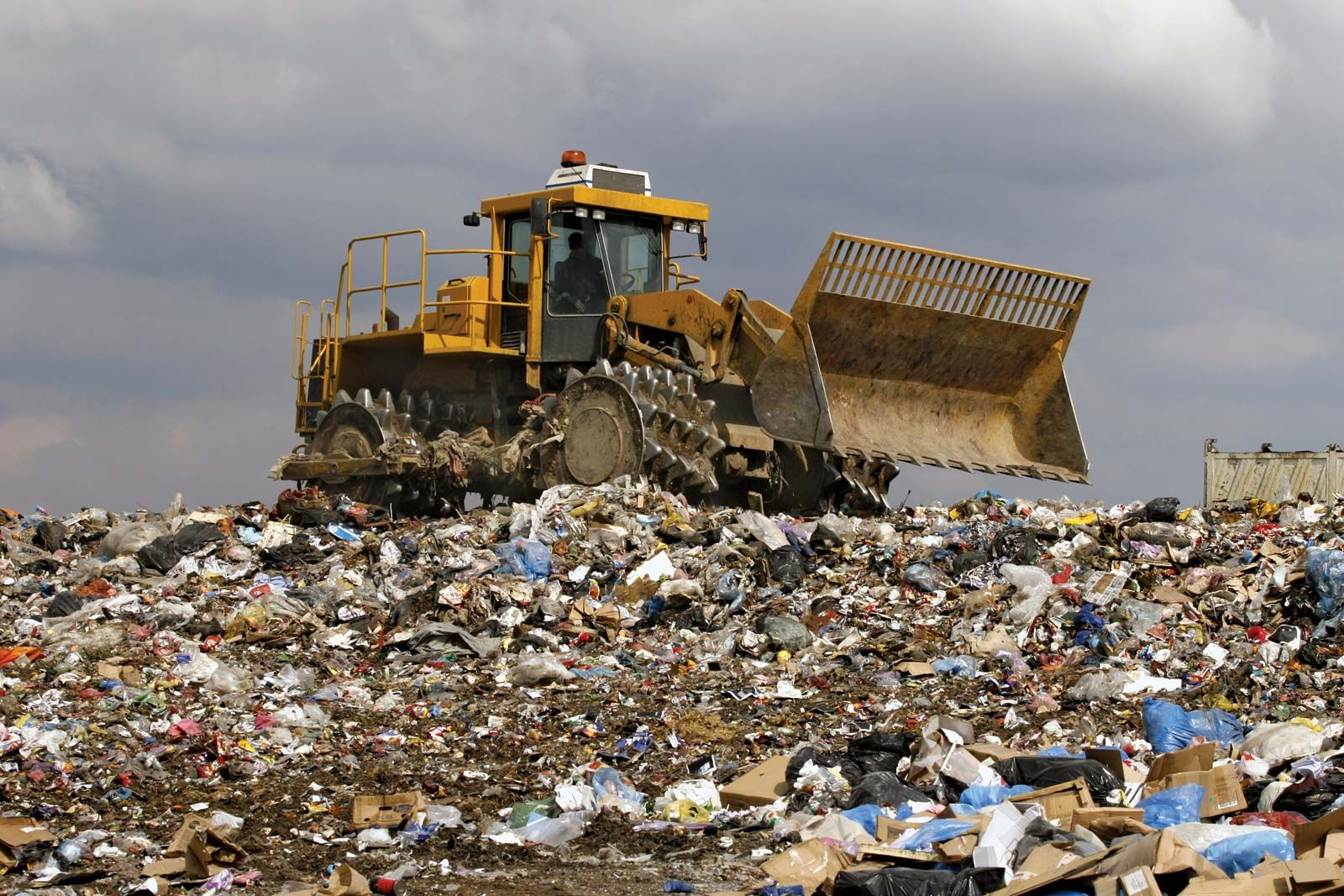
The office ordered biodegradable coffee cups by the thousands and congratulated itself for becoming environmentally responsible.
Three weeks later, employees were still printing unnecessary reports, throwing half-eaten lunches into recycling bins, leaving lights blazing overnight in empty conference rooms, and replacing perfectly functional office chairs because the upholstery color no longer matched the new branding palette.
That’s the thing about workplace waste.
It rarely announces itself dramatically.
Most waste arrives disguised as convenience, habit, urgency, or operational routine. It hides inside automatic purchasing systems, forgotten storage closets, excessive packaging, duplicated workflows, rushed shipping decisions, and the strange corporate tendency to replace things long before they stop functioning.
Which means reducing workplace waste is not simply about recycling more aggressively.
It’s about paying closer attention to how work actually behaves when nobody is thinking about sustainability at all.
Because waste is usually a symptom.
Not the root problem.
Most Offices Produce More Waste Than They Realize
Not because employees are careless villains determined to destroy the planet one disposable fork at a time.
Because modern workplaces are designed around friction reduction:
- fast delivery,
- disposable convenience,
- constant replacement,
- over-ordering “just in case,”
- excessive packaging,
- temporary solutions becoming permanent habits.
And once routines stabilize operationally, people stop noticing them.
One operations director told me her company reduced landfill waste significantly after conducting a basic inventory review. They discovered entire cabinets filled with:
unused branded merchandise,
obsolete cables,
expired promotional materials,
duplicate office supplies nobody remembered ordering.
Nothing there looked shocking individually.
Together, it resembled a museum dedicated to forgotten purchasing decisions.
Workplace Waste Usually Falls Into Five Categories
Understanding the categories matters because different waste problems require different solutions.
| Waste Category | Common Examples | Why It Happens | Most Effective Solution |
|---|---|---|---|
| Paper Waste | Unnecessary printing, discarded drafts | Habitual workflows | Digital systems and print controls |
| Supply Waste | Overstocking, duplicate orders | Poor inventory visibility | Centralized procurement |
| Food Waste | Unfinished meals, disposable utensils | Convenience culture | Reusable systems and planning |
| Energy Waste | Lighting, HVAC misuse | Passive operational habits | Automation and monitoring |
| Electronic Waste | Frequent device replacement | Upgrade culture | Repair and lifecycle extension |
Notice something interesting.
Most workplace waste originates operationally.
Not morally.
People rarely choose waste consciously.
Systems normalize it quietly.
Paper Waste Remains One of the Biggest Problems
Even now.
Organizations still print:
meeting packets,
duplicate reports,
contracts,
presentations,
draft revisions,
forms nobody truly needs physically anymore.
One consulting firm I visited realized employees printed presentation decks automatically before client meetings because leadership had preferred paper copies nearly a decade earlier.
The preference disappeared.
The behavior survived.
That happens constantly in offices:
old workflows continuing long after their original purpose expired.
Reducing paper waste usually requires changing defaults:
- double-sided printing,
- digital approvals,
- shared cloud documents,
- meeting screens instead of handouts.
People adapt surprisingly quickly once systems evolve around them.
Overstocking Creates Invisible Waste
This one hides particularly well because excess inventory feels responsible initially.
Nobody wants to run out of:
printer paper,
shipping materials,
notebooks,
toner cartridges.
So departments over-order.
Storage rooms slowly become crowded with:
obsolete forms,
unused binders,
retired accessories,
duplicate supplies,
promotional leftovers.
I once helped clean a supply closet containing enough branded notebooks to support several years of conferences the company no longer even attended.
Perfectly usable materials.
Completely disconnected from actual need.
That experience taught me something important:
waste often begins long before disposal.
It starts at purchasing.
Cheap Products Often Generate More Waste
Companies obsessed with cutting upfront costs frequently create replacement cycles that multiply environmental impact:
cheap chairs break faster,
low-quality cables fail,
disposable accessories accumulate endlessly.
Years ago, during a rushed office setup project, I recommended lower-cost desk organizers because the budget looked tight and the savings appeared sensible.
Within months many were cracked, warped, or discarded entirely.
We bought replacements.
Then replacements again.
The original “savings” quietly transformed into recurring waste.
Durability matters environmentally because replacement itself carries hidden costs:
manufacturing,
shipping,
packaging,
disposal.
The most sustainable product is often the one that survives longest.
Food Waste Reveals Workplace Culture Quickly
Walk through almost any office kitchen after lunch and you’ll learn a lot about operational habits.
Half-finished meals.
Disposable containers.
Plastic utensils.
Expired refrigerator contents nobody claims.
Food waste expands rapidly in offices because convenience dominates workplace eating behavior.
One company reduced kitchen waste significantly by implementing surprisingly basic changes:
- reusable dishware,
- smaller catering portions,
- compost collection,
- shared expiration labeling.
Nothing revolutionary.
Just systems designed intentionally instead of reactively.
Why Employees Ignore Sustainability Policies
Usually because the systems feel inconvenient.
This matters enormously.
If recycling bins are confusing, contamination increases.
If reusable dishes require complicated cleaning procedures, disposable products return immediately.
If digital workflows feel slower than printing, paper usage continues.
Behavior follows operational friction.
The strongest waste-reduction strategies make sustainable behavior easier — not morally superior.
That distinction changes outcomes dramatically.
Electronic Waste Is Escalating Quietly
Modern offices cycle through technology constantly:
laptops,
monitors,
phones,
chargers,
keyboards,
headsets.
And many organizations replace devices long before true functional failure occurs.
One IT manager admitted their company routinely upgraded equipment because “employees expected newer devices,” even when older hardware remained operationally sufficient.
That mindset creates enormous electronic waste accumulation over time.
Sustainable workplaces increasingly emphasize:
- repair-first policies,
- refurbished equipment,
- extended replacement cycles,
- modular upgrades,
- responsible recycling partnerships.
Not because technology should never evolve.
Because endless replacement carries environmental consequences companies often underestimate.
Shipping Waste Expanded Dramatically After Hybrid Work
Remote work changed supply chains inside offices.
Now companies ship:
equipment,
office supplies,
promotional materials,
replacement accessories,
technology upgrades,
home office setups.
Each shipment introduces:
packaging waste,
fuel consumption,
protective plastics,
duplicate deliveries.
One operations team reduced shipping waste simply by consolidating employee supply orders monthly instead of processing constant individual deliveries reactively.
Again:
the solution was operational structure, not sustainability slogans.
Energy Waste Often Happens Invisibly
This category feels less tangible than overflowing trash bins, but its impact is enormous.
Common office energy waste includes:
- overnight lighting,
- empty conference rooms running climate control,
- idle electronics,
- inefficient HVAC scheduling.
One office discovered climate systems were heating entire floors during weekends despite minimal occupancy.
The fix required adjusting scheduling software.
Nothing more dramatic.
Sustainability improvements are often surprisingly unglamorous operational corrections.
A Lesson I Learned From a Dumpster Behind an Office Building
Years ago, after helping with an office renovation, I walked past a dumpster filled with:
perfectly functional desks,
usable shelving,
working chairs,
storage cabinets.
Not broken.
Not hazardous.
Simply unwanted because the office aesthetic had changed.
That image stayed with me longer than expected.
Not because businesses should never renovate.
But because it revealed how normalized disposability had become inside professional environments.
Waste rarely looks dramatic while it’s happening.
It looks ordinary.
That’s what makes it dangerous operationally.
Sustainable Procurement Reduces Waste Upstream
Many waste-reduction conversations focus entirely on disposal:
recycling,
sorting,
landfill diversion.
Those matter.
But procurement decisions shape waste long before products reach trash bins.
Smarter purchasing includes:
- durable materials,
- refillable products,
- recyclable packaging,
- standardized equipment,
- repairable technology.
One company reduced supply waste significantly simply by eliminating individually packaged office items whenever bulk alternatives existed.
Less packaging entered the building.
Less waste required management later.
Employees Usually Support Waste Reduction When Systems Make Sense
Contrary to popular management fears, most employees are not actively resisting sustainability.
They resist inconvenience.
Clear systems help enormously:
- labeled bins,
- visible reuse stations,
- simplified digital workflows,
- accessible refill systems,
- realistic policies.
One office reduced disposable cup usage dramatically after placing reusable mugs directly beside coffee stations instead of hidden inside cabinets.
Small design change.
Large behavioral shift.
Waste Reduction Is Really About Attention
That’s the deeper issue underneath everything.
Waste survives because organizations stop noticing ordinary operational behavior:
what gets printed,
what gets reordered,
what gets discarded,
what gets replaced too quickly,
what sits unused in storage for years.
Sustainable workplaces are not perfect workplaces.
They are observant workplaces.
Places willing to question inherited habits instead of assuming convenience automatically equals efficiency.
Because ultimately, reducing waste in the workplace is not about achieving environmental purity or building performative sustainability campaigns around recycled office supplies.
It’s about recognizing that every unnecessary purchase, duplicate shipment, forgotten inventory order, or disposable convenience item represents a tiny operational decision repeated often enough to become culture.
And culture, far more than policy, determines how much waste an office quietly produces when nobody is paying attention.
- Arts
- Business
- Computers
- Giochi
- Health
- Home
- Kids and Teens
- Money
- News
- Personal Development
- Recreation
- Regional
- Reference
- Science
- Shopping
- Society
- Sports
- Бизнес
- Деньги
- Дом
- Досуг
- Здоровье
- Игры
- Искусство
- Источники информации
- Компьютеры
- Личное развитие
- Наука
- Новости и СМИ
- Общество
- Покупки
- Спорт
- Страны и регионы
- World

 English
 Russian
 French
 Spanish
 Portuguese
 Deutsch
 Turkish
 Dutch
Dutch
 Arabic
 Romaian
 Portuguese (Brazil)
 Greek
Greek