
How Do I Build Trust and Close Larger Deals? Start by Understanding That Big Buyers Are Not Purchasing Products. They’re Purchasing Risk Reduction.
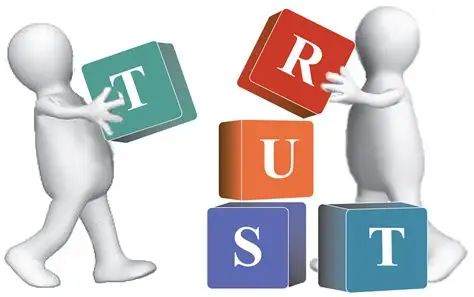
A founder once showed me a pipeline full of “promising enterprise opportunities.”
The demos had gone well.
The prospects seemed engaged.
Meetings kept getting extended.
And yet nothing closed.
Weeks turned into quarters.
Decision-makers became harder to reach.
Procurement conversations stalled mysteriously somewhere inside corporate bureaucracy.
The founder’s frustration was understandable because from his perspective, the product clearly delivered value.
But value alone rarely closes larger deals.
Especially in B2B environments where buyers are not simply asking:
“Will this help us?”
They’re asking:
- “Will this create operational disruption?”
- “Can I defend this decision internally?”
- “What happens if implementation fails?”
- “Will this vendor become a future headache?”
That’s the part many companies underestimate.
Large deals are fundamentally trust negotiations disguised as commercial transactions.
And trust at enterprise scale operates differently than smaller transactional sales.
You are no longer competing merely on:
- pricing
- features
- functionality
You are competing on perceived stability, credibility, predictability, and emotional reassurance under uncertainty.
That’s why companies with technically weaker products sometimes close larger accounts more consistently.
Buyers trusted them more.
Large Deals Move Slower Because the Consequences Feel Larger
Small purchases tolerate experimentation.
Large purchases rarely do.
An executive approving a six-figure or seven-figure contract understands the decision may affect:
- operational workflows
- employee productivity
- implementation timelines
- departmental budgets
- internal reputation
Which means buyers become significantly more cautious.
This changes everything about the sales process.
Suddenly:
- more stakeholders appear
- procurement becomes involved
- legal reviews expand
- executive scrutiny increases
The deal stops being a product evaluation alone.
It becomes an organizational risk assessment.
And companies struggling to close larger deals often fail because they continue selling as though buyers are making isolated transactional decisions rather than politically exposed organizational commitments.
Trust Is Built Through Predictability, Not Charisma
Many sales professionals still imagine trust emerges primarily from persuasion skills.
Sometimes personality helps.
But enterprise trust usually forms through operational consistency.
Buyers pay attention to signals like:
- response speed
- meeting preparation
- communication clarity
- onboarding structure
- implementation transparency
- documentation quality
Why?
Because enterprise buyers assume sales behavior predicts future operational behavior.
A chaotic sales process suggests future implementation chaos.
A structured process suggests future reliability.
I learned this painfully years ago during a competitive enterprise proposal.
Our product capabilities compared favorably against competitors.
Pricing remained strong.
Technical stakeholders supported the solution.
We lost anyway.
Later, a buyer admitted privately:
another vendor “felt easier to trust operationally.”
Not more innovative.
Not dramatically cheaper.
Safer.
That lesson stayed with me permanently because it exposed something uncomfortable:
buyers often evaluate emotional workload as carefully as technical capability.
Why Bigger Deals Require Multi-Layered Trust
Smaller deals often depend on convincing one decision-maker.
Larger deals involve multiple stakeholders:
- procurement teams
- finance executives
- IT departments
- operational leadership
- legal review
- end users
Each group evaluates different concerns.
Finance wants cost justification.
IT wants security confidence.
Operations wants implementation stability.
Executives want reputational safety.
This means trust must expand horizontally across the organization, not merely vertically with one enthusiastic champion.
And one weak point can stall everything.
That’s why enterprise sales requires:
- alignment management
- internal advocacy support
- stakeholder education
- risk mitigation
Not just product demonstrations.
A Comparison: Why Small Deals Close Faster Than Large Ones
| Small Deals | Larger Deals |
|---|---|
| Fewer stakeholders | Multiple decision-makers |
| Lower perceived risk | Higher organizational exposure |
| Faster approvals | Procurement and legal reviews |
| Emotional buying flexibility | Defensive decision-making |
| Simpler implementation | Operational complexity concerns |
| Limited internal scrutiny | Executive visibility |
| Lower switching resistance | Significant workflow disruption |
| Shorter evaluation cycles | Consensus-building requirements |
| Budget flexibility | Formal budget allocation |
| Transaction-focused | Relationship-focused |
The complexity of larger deals is rarely accidental.
It reflects the increasing cost of making the wrong decision internally.
Buyers Need Confidence More Than Excitement
This becomes increasingly true as deal size grows.
Smaller sales can survive enthusiasm.
Larger deals require reassurance.
Enterprise buyers rarely want dramatic innovation if dramatic innovation introduces:
- instability
- unclear onboarding
- implementation uncertainty
- operational disruption
Which explains why mature companies often outperform more innovative competitors in enterprise environments.
Predictability feels safer than brilliance under organizational pressure.
This is why:
- strong case studies matter
- implementation roadmaps matter
- customer references matter
- onboarding visibility matters
You are reducing uncertainty continuously throughout the process.
Not simply selling features.
Most Companies Talk Too Much About Themselves
This mistake quietly destroys trust.
Businesses spend presentations discussing:
- company history
- feature depth
- awards
- roadmap ambitions
Meanwhile buyers are internally evaluating:
- operational friction
- implementation timelines
- resource requirements
- political consequences
The strongest enterprise conversations focus less on product excitement and more on customer reality.
That means understanding:
- stakeholder anxieties
- workflow constraints
- internal resistance
- budget sensitivity
Trust grows when buyers feel understood operationally.
Not when vendors perform expertise theatrically.
Why Responsiveness Matters More in Large Deals
Enterprise buyers interpret responsiveness psychologically.
Delayed communication signals:
- organizational disorganization
- future support issues
- implementation risk
Fast, thoughtful communication signals:
- operational maturity
- accountability
- reliability
And importantly, responsiveness is not about aggressive persistence.
It’s about reducing friction.
Large deals generate internal complexity naturally.
Strong vendors reduce that complexity instead of amplifying it.
That distinction matters enormously.
My Most Important Lesson About Large Deals Came From a Deal That Nearly Collapsed
Years ago, I supported a complex B2B engagement involving multiple executive stakeholders.
Everything looked favorable initially.
Then suddenly the prospect became hesitant after implementation discussions.
Not because pricing changed.
Not because the product weakened.
Because the buyer’s operations leader worried the onboarding process would overwhelm internal teams already under pressure.
That concern nearly killed the deal.
What resolved it wasn’t harder selling.
We built:
- a phased implementation timeline
- clearer onboarding ownership
- operational checkpoints
- executive communication plans
The emotional temperature changed immediately.
The buyer stopped evaluating us as a software vendor and started viewing us as a manageable operational partner.
That distinction closed the deal.
And it reinforced something essential:
larger deals close when buyers believe complexity will remain controllable afterward.
Social Proof Reduces Psychological Risk
Enterprise buyers constantly look for reassurance from external validation.
This includes:
- customer case studies
- recognizable clients
- industry reputation
- peer recommendations
- measurable outcomes
Why?
Because large decisions create personal exposure internally.
If something fails, buyers want evidence the decision looked reasonable based on available information.
That’s why recognizable customer proof matters disproportionately in enterprise sales.
It lowers perceived career risk.
Why Transparency Builds More Trust Than Perfection
Many companies try appearing flawless during enterprise sales conversations.
Mistake.
Experienced buyers know every implementation contains challenges eventually.
Pretending otherwise weakens credibility.
Strong companies communicate transparently about:
- implementation realities
- resource requirements
- potential obstacles
- expected timelines
This honesty builds confidence because it signals operational maturity.
Buyers trust vendors acknowledging complexity calmly more than vendors promising effortless perfection.
Internal Alignment Matters More Than Sales Tactics
Some organizations sabotage large deals internally without realizing it.
Marketing promises one experience.
Sales communicates another.
Customer success describes something different later.
Buyers notice inconsistency immediately.
And inconsistency damages trust because enterprise customers evaluate vendors partly through organizational coherence.
Strong companies create alignment between:
- sales
- onboarding
- support
- product
- leadership communication
Because customers experience one company emotionally, not isolated departments operationally.
Why Patience Becomes a Competitive Advantage
Many vendors become anxious during long enterprise sales cycles.
They:
- overfollow-up
- pressure prematurely
- introduce unnecessary urgency
This often backfires because enterprise buying processes naturally require:
- internal consensus
- budget reviews
- procurement cycles
- stakeholder alignment
Strong sales teams understand momentum without creating pressure overload.
That balance matters.
Because buyers want partners capable of handling complexity calmly.
Desperation weakens trust quickly.
Composure strengthens it.
AI Increased Outreach Volume — Which Makes Human Credibility More Valuable
Automation transformed enterprise prospecting:
- AI-generated outreach
- automated personalization
- predictive lead scoring
- scalable sequencing
This increased noise dramatically.
Enterprise buyers now receive endless messaging that feels:
- repetitive
- generic
- emotionally hollow
As automation expanded, genuine credibility became more important.
The companies closing larger deals consistently now differentiate through:
- nuanced understanding
- operational clarity
- thoughtful communication
- strategic patience
Not sheer outreach volume.
Human trust became more valuable precisely because communication became more automated.
Conclusion: Larger Deals Close When Buyers Feel Safe Enough to Move Forward
Most businesses think large deals require stronger persuasion.
Usually they require stronger reassurance.
Because enterprise buyers are rarely purchasing products alone.
They are purchasing:
- operational confidence
- implementation stability
- reputational safety
- organizational predictability
That changes how trust forms.
Buyers evaluate:
- communication consistency
- onboarding structure
- responsiveness
- stakeholder alignment
- transparency
- emotional workload
And often the company reducing uncertainty most effectively wins — even against technically superior competitors.
The strongest organizations understand this fundamentally.
They stop treating enterprise sales like performance.
Instead, they create environments where buyers feel:
- understood
- supported
- protected from avoidable chaos
- confident defending the decision internally
Because larger deals are not won through pressure alone.
They are won when the customer begins believing:
“This company feels capable of handling complexity without creating more of it.”
That belief changes everything.
Once buyers trust operational stability, price resistance weakens.
Procurement conversations soften.
Internal advocacy strengthens.
And the sale stops feeling like a risky leap toward uncertainty.
It starts feeling like the safer option among imperfect alternatives.
- Arts
- Business
- Computers
- Игры
- Health
- Главная
- Kids and Teens
- Деньги
- News
- Personal Development
- Recreation
- Regional
- Reference
- Science
- Shopping
- Society
- Sports
- Бизнес
- Деньги
- Дом
- Досуг
- Здоровье
- Игры
- Искусство
- Источники информации
- Компьютеры
- Личное развитие
- Наука
- Новости и СМИ
- Общество
- Покупки
- Спорт
- Страны и регионы
- World

 English
 French
 Spanish
 Portuguese
 Deutsch
 Turkish
 Dutch
Dutch
 Italiano
 Arabic
 Romaian
 Portuguese (Brazil)
 Greek
Greek
