
Why are exports important for economic growth?
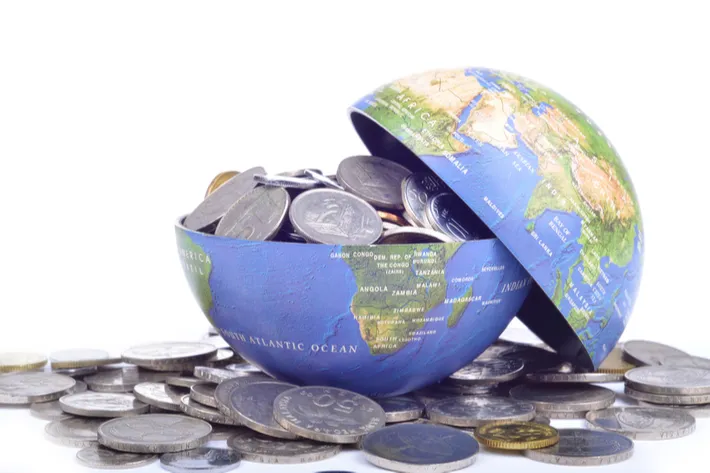
Why Are Exports Important for Economic Growth?
Exports are one of the key drivers of economic growth in both developed and developing countries. By selling goods and services to international markets, businesses generate revenue from outside the domestic economy, creating jobs, increasing production, and encouraging innovation. A strong export sector can improve a nation's standard of living, strengthen its currency, and reduce dependence on domestic demand alone.
This article explores why exports are important for economic growth, how they benefit businesses and governments, and the challenges countries face in expanding their exports.
What Are Exports?
Exports are goods or services produced in one country and sold to buyers in another country. They can include physical products such as automobiles, electronics, agricultural products, and clothing, as well as services like software development, tourism, financial consulting, and education.
When foreign customers purchase these products or services, money flows into the exporting country's economy, contributing to national income.
How Exports Contribute to Economic Growth
Economic growth refers to an increase in the production of goods and services within an economy over time. Exports support this growth in several important ways.
1. Increase National Income
Exports bring foreign earnings into a country. As companies receive payments from international customers, they increase production, hire workers, and invest in expanding their operations.
Since exports are included in a country's Gross Domestic Product (GDP), higher exports generally contribute directly to economic growth.
2. Create Employment
Growing export industries require more workers across multiple sectors, including:
-
Manufacturing
-
Agriculture
-
Technology
-
Logistics
-
Transportation
-
Customer service
-
Marketing
Export growth often creates both direct and indirect employment opportunities, benefiting suppliers, distributors, and supporting industries.
3. Encourage Business Expansion
Access to international markets gives businesses a much larger customer base than relying solely on domestic consumers.
Higher demand allows companies to:
-
Build larger production facilities
-
Invest in new equipment
-
Expand research and development
-
Improve productivity
As businesses grow, they contribute more to the overall economy.
4. Improve Productivity
Companies competing internationally must meet high standards for quality, pricing, and efficiency.
To remain competitive, exporters often:
-
Adopt advanced technologies
-
Improve production processes
-
Train employees
-
Reduce waste
-
Increase operational efficiency
These improvements strengthen both individual businesses and the national economy.
5. Stimulate Innovation
International competition encourages businesses to develop new products and improve existing ones.
Export-oriented firms often invest more in:
-
Product development
-
Research
-
Automation
-
Digital technologies
-
Sustainable production
Innovation increases competitiveness and supports long-term economic growth.
Benefits of Exports for Businesses
Exports provide numerous advantages for companies beyond increased sales.
Larger Markets
Domestic markets may eventually become saturated. Exporting allows businesses to reach millions of additional customers worldwide.
Diversified Revenue
Selling to multiple countries reduces dependence on one market. If demand declines domestically, international sales may help stabilize revenue.
Economies of Scale
Higher production volumes often lower the cost per unit, making businesses more competitive both at home and abroad.
Stronger Brand Recognition
International expansion helps companies build global brands, increasing credibility and opening additional business opportunities.
Benefits for the National Economy
Exports create widespread economic benefits beyond the businesses that produce them.
Higher Tax Revenue
Growing businesses generate more profits, employee income, and consumer spending, leading to increased tax revenue that governments can invest in:
-
Infrastructure
-
Healthcare
-
Education
-
Public services
Improved Balance of Trade
A country that exports more than it imports may achieve a trade surplus, strengthening its economy and reducing external financial pressures.
Increased Foreign Exchange Earnings
Export sales are typically paid in foreign currencies. These foreign exchange reserves help countries:
-
Pay for imports
-
Service international debt
-
Stabilize exchange rates
-
Build financial resilience
Attraction of Foreign Investment
Countries with successful export industries often attract foreign investors seeking access to skilled labor, efficient production, and established global markets.
Foreign investment brings additional capital, technology, and employment opportunities.
The Role of Small Businesses
Exports are not limited to large multinational corporations.
Many small and medium-sized enterprises (SMEs) successfully export through:
-
E-commerce platforms
-
Online marketplaces
-
International distributors
-
Digital services
-
Licensing agreements
Advances in logistics and digital marketing have made global markets more accessible than ever for smaller businesses.
Industries That Benefit from Exports
Many sectors contribute significantly to export growth.
Manufacturing
Countries export machinery, vehicles, electronics, chemicals, and consumer goods to international buyers.
Agriculture
Farmers export products such as:
-
Grain
-
Fruits
-
Vegetables
-
Meat
-
Dairy
-
Coffee
-
Cocoa
Agricultural exports support rural employment and national income.
Natural Resources
Many economies rely on exporting:
-
Oil
-
Natural gas
-
Minerals
-
Timber
These exports can generate substantial government revenue.
Services
Modern economies increasingly export services including:
-
Information technology
-
Financial services
-
Engineering
-
Healthcare
-
Education
-
Entertainment
Service exports have become an important source of growth in many countries.
Challenges of Export-Led Growth
Although exports provide many benefits, relying heavily on exports also presents challenges.
Global Economic Slowdowns
If international demand weakens during recessions, exporters may experience declining sales and production.
Trade Barriers
Tariffs, quotas, import restrictions, and regulatory differences can make exporting more difficult and expensive.
Exchange Rate Fluctuations
A stronger domestic currency may make exports more expensive for foreign buyers, reducing competitiveness.
Supply Chain Disruptions
Natural disasters, geopolitical tensions, pandemics, and transportation delays can interrupt international trade.
Increased Competition
Exporters compete with businesses from around the world, requiring continuous improvements in quality, pricing, and innovation.
Government Support for Exports
Many governments actively encourage exports through various policies.
Common support measures include:
-
Export financing
-
Trade agreements
-
Tax incentives
-
Export promotion agencies
-
Business training
-
Market research assistance
-
Investment in transportation infrastructure
-
Customs modernization
These initiatives help domestic companies compete internationally.
Exports and Sustainable Growth
Long-term economic growth depends not only on increasing exports but also on ensuring they are sustainable.
Countries increasingly focus on:
-
Environmentally responsible production
-
Renewable energy industries
-
High-value manufacturing
-
Digital exports
-
Skilled workforce development
Sustainable export strategies help maintain competitiveness while protecting natural resources and improving long-term prosperity.
Conclusion
Exports play a vital role in economic growth by increasing national income, creating employment, encouraging business expansion, improving productivity, and stimulating innovation. They connect domestic businesses with global markets, attract investment, and generate valuable foreign exchange earnings that strengthen the economy.
While export-led growth comes with challenges such as global competition, trade barriers, and economic uncertainty, countries that develop competitive industries and maintain supportive trade policies are often better positioned for long-term success. By expanding international trade while investing in innovation, infrastructure, and workforce skills, nations can use exports as a powerful engine for sustainable economic development.
- Arts
- Business
- Computers
- Jeux
- Health
- Domicile
- Kids and Teens
- Argent
- News
- Personal Development
- Recreation
- Regional
- Reference
- Science
- Shopping
- Society
- Sports
- Бизнес
- Деньги
- Дом
- Досуг
- Здоровье
- Игры
- Искусство
- Источники информации
- Компьютеры
- Личное развитие
- Наука
- Новости и СМИ
- Общество
- Покупки
- Спорт
- Страны и регионы
- World

 English
 Russian
 Spanish
 Portuguese
 Deutsch
 Turkish
 Dutch
Dutch
 Italiano
 Arabic
 Romaian
 Portuguese (Brazil)
 Greek
Greek