
What is the difference between income inequality and wealth inequality?
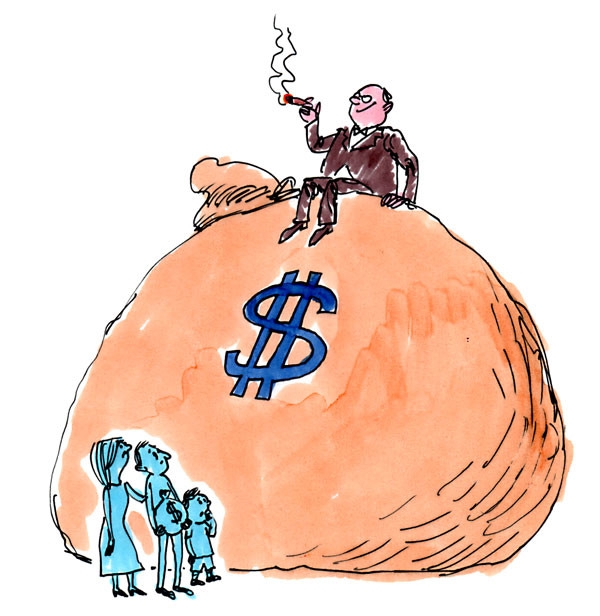
What Is the Difference Between Income Inequality and Wealth Inequality?
Economic inequality is a topic that affects countries around the world. It influences living standards, access to opportunities, and long-term financial security. Two of the most commonly discussed forms of economic inequality are income inequality and wealth inequality. Although these terms are often used interchangeably, they describe different aspects of how resources are distributed within a society.
Understanding the distinction between income inequality and wealth inequality is essential for interpreting economic trends, evaluating public policies, and understanding why some people face greater financial challenges than others.
What Is Income Inequality?
Income inequality refers to the uneven distribution of income among individuals or households within a population. Income is the money people receive over a specific period, usually through:
-
Wages and salaries
-
Business profits
-
Interest and dividends
-
Rental income
-
Government benefits and pensions
When income inequality is high, a relatively small percentage of people earn a much larger share of total income than the rest of the population.
Example of Income Inequality
Imagine a town with ten workers. Nine workers each earn $40,000 per year, while one executive earns $1 million annually. Although everyone has an income, the gap between the executive and the other workers creates significant income inequality.
Income inequality is often measured annually because incomes can change from year to year due to promotions, unemployment, career changes, or retirement.
What Is Wealth Inequality?
Wealth inequality refers to the unequal distribution of wealth, also known as net worth. Wealth represents the total value of assets owned minus debts owed.
Assets include:
-
Homes and land
-
Savings accounts
-
Stocks and bonds
-
Retirement accounts
-
Businesses
-
Valuable personal property
Liabilities include:
-
Mortgages
-
Student loans
-
Credit card debt
-
Car loans
A person's wealth equals:
Wealth = Total Assets − Total Debts
Unlike income, wealth accumulates over many years and can even be passed from one generation to another.
Example of Wealth Inequality
Two people may each earn $80,000 per year. However:
-
Person A owns a house, has $300,000 invested for retirement, and carries little debt.
-
Person B rents an apartment, has no savings, and owes $100,000 in student loans.
Although their incomes are identical, their wealth is vastly different.
The Key Difference
The simplest way to distinguish the two concepts is:
-
Income is the money people earn or receive over time.
-
Wealth is the value of everything people own after subtracting what they owe.
Income represents a financial flow, while wealth represents a financial stock that builds over time.
Someone can have:
-
High income but relatively little wealth if they spend most of what they earn.
-
Low income but substantial wealth if they have accumulated assets over many years.
-
Low income and low wealth, making them financially vulnerable.
-
High income and high wealth, providing long-term financial security.
Why Wealth Inequality Is Often Greater
In many countries, wealth inequality is considerably larger than income inequality.
There are several reasons for this.
Wealth Grows Over Time
Investments, real estate, and businesses often increase in value. Individuals who already own assets may see their wealth grow even without earning additional income.
Inheritance
Wealth can be passed from parents to children. Families with significant assets often give future generations financial advantages through inheritances, gifts, or educational opportunities.
Investment Returns
People with wealth can invest in stocks, real estate, or businesses that generate additional income and capital gains. This creates opportunities for wealth to compound over time.
Debt Differences
Some households carry substantial debt that reduces their net worth. Others have little or no debt, allowing their wealth to grow more quickly.
How Income and Wealth Affect Daily Life
Although both forms of inequality matter, they influence people's lives in different ways.
Effects of Income
Income determines a person's ability to:
-
Pay monthly bills
-
Buy food and clothing
-
Afford healthcare
-
Cover rent or mortgage payments
-
Save for emergencies
A stable income helps households meet their day-to-day expenses.
Effects of Wealth
Wealth provides long-term financial security by allowing people to:
-
Handle unexpected expenses
-
Invest for the future
-
Purchase homes
-
Start businesses
-
Retire comfortably
-
Support future generations
Wealth also provides a financial cushion during periods of unemployment or economic downturns.
Can Someone Have High Income but Low Wealth?
Yes.
Many professionals earn high salaries but have accumulated little wealth because they:
-
Recently entered high-paying careers
-
Carry large student loans
-
Spend most of their earnings
-
Have not yet invested or purchased assets
For example, a newly qualified doctor may earn a six-figure salary but still owe hundreds of thousands of dollars in education loans.
Can Someone Have Low Income but High Wealth?
Yes.
Retirees provide a common example.
A retired individual may receive only a modest pension each month but own:
-
A fully paid home
-
Significant retirement savings
-
Investments accumulated during their working years
Their annual income may be relatively low, yet their overall wealth remains substantial.
Why Both Types of Inequality Matter
Policymakers, economists, and researchers study both income and wealth inequality because each reveals different aspects of economic well-being.
Income inequality can indicate:
-
Wage disparities
-
Employment opportunities
-
Labor market conditions
-
Economic mobility
Wealth inequality highlights:
-
Long-term financial security
-
Access to investment opportunities
-
Intergenerational advantages
-
Economic resilience
Looking at only one measure can provide an incomplete picture of economic inequality.
How Governments Address These Inequalities
Governments use different policies to reduce income and wealth inequality.
To address income inequality, they may:
-
Increase minimum wages
-
Improve education and job training
-
Expand tax credits
-
Strengthen social assistance programs
-
Create employment opportunities
To address wealth inequality, governments may encourage:
-
Homeownership
-
Retirement savings
-
Broader access to investing
-
Affordable education
-
Small business development
-
Fair inheritance and property tax policies
The effectiveness of these policies varies depending on a country's economic conditions and policy priorities.
Why Wealth Inequality Can Persist
Wealth inequality often changes more slowly than income inequality because wealth accumulates over decades.
For example:
-
A temporary pay raise increases income immediately.
-
Building significant wealth usually requires years of saving, investing, and asset appreciation.
Because wealth can be inherited, differences between families may continue across multiple generations.
Conclusion
Income inequality and wealth inequality are closely related but distinct concepts. Income inequality focuses on differences in the money people earn over time, while wealth inequality measures differences in the assets people own after subtracting debts.
Income affects everyday living expenses and financial stability, whereas wealth shapes long-term security, investment opportunities, and the ability to pass financial resources to future generations. Understanding both provides a more complete picture of economic inequality and helps explain why some individuals and families enjoy greater financial resilience than others.
Although reducing both forms of inequality is a complex challenge, recognizing their differences is the first step toward informed discussions about economic policy, opportunity, and financial well-being.
- Arts
- Business
- Computers
- Jogos
- Health
- Início
- Kids and Teens
- Money
- News
- Personal Development
- Recreation
- Regional
- Reference
- Science
- Shopping
- Society
- Sports
- Бизнес
- Деньги
- Дом
- Досуг
- Здоровье
- Игры
- Искусство
- Источники информации
- Компьютеры
- Личное развитие
- Наука
- Новости и СМИ
- Общество
- Покупки
- Спорт
- Страны и регионы
- World

 English
 Russian
 French
 Spanish
 Deutsch
 Turkish
 Dutch
Dutch
 Italiano
 Arabic
 Romaian
 Portuguese (Brazil)
 Greek
Greek