
What rules and costs should I know about in Imports and Exports?
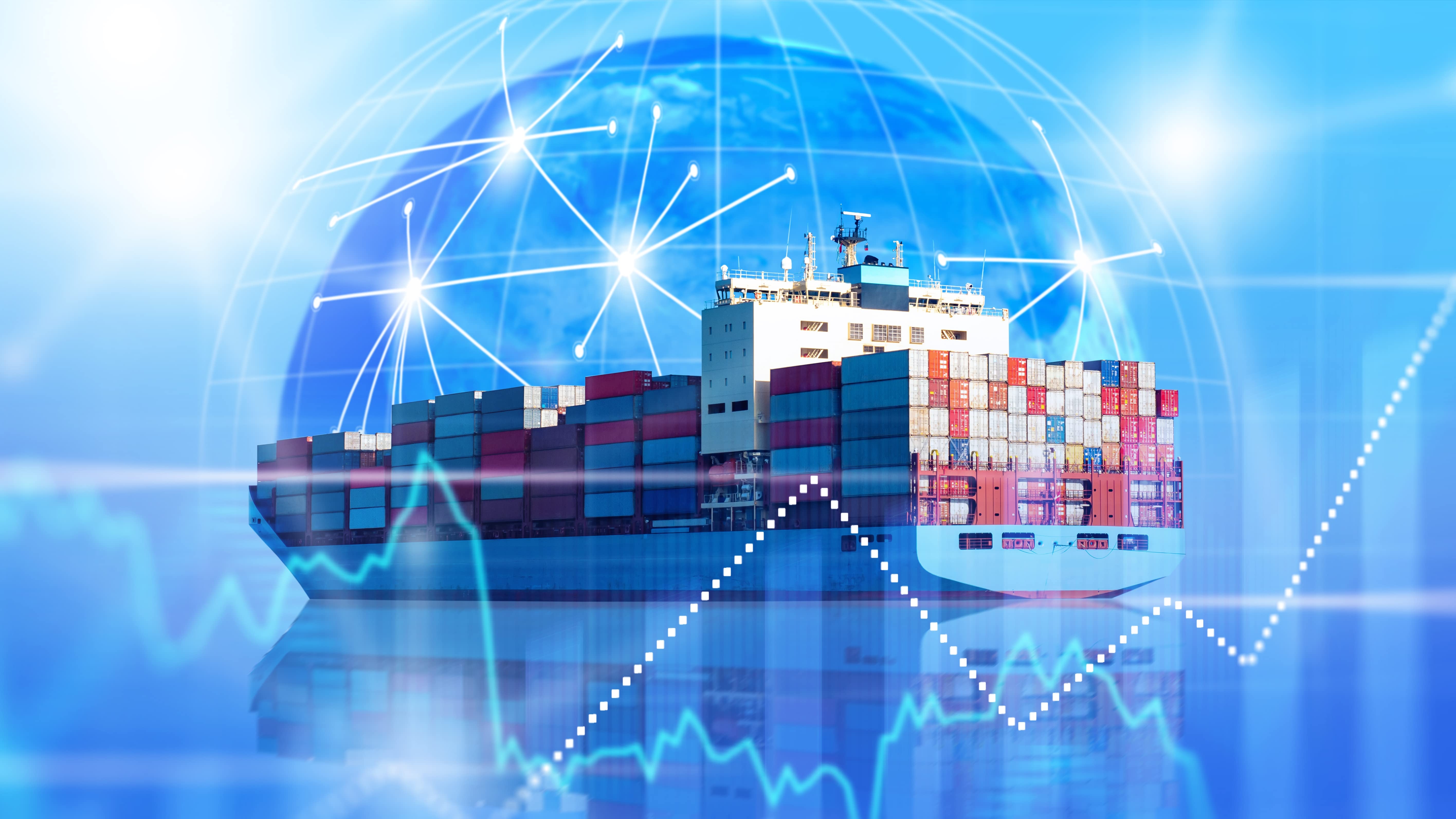
What Rules and Costs Should I Know About in Imports and Exports?
International trade allows businesses of all sizes to reach new markets, source quality products, and increase profitability. However, importing and exporting goods involves more than simply shipping products across borders. Every country has its own regulations, taxes, documentation requirements, and fees that traders must understand to avoid delays, penalties, or unexpected expenses.
Whether you're a first-time importer or an experienced exporter, knowing the key rules and costs involved is essential for running a successful international trade business.
Understanding Import and Export Regulations
Import and export regulations are laws established by governments to control the movement of goods across international borders. These rules help ensure safety, protect domestic industries, enforce trade agreements, and collect customs revenue.
Before trading internationally, you should determine whether your products:
-
Can be legally imported or exported
-
Require special permits or licenses
-
Are subject to restrictions or quotas
-
Must comply with safety or quality standards
Failure to comply with these regulations can result in shipment delays, confiscation of goods, fines, or legal action.
Product Classification
One of the first steps in international trade is correctly classifying your products using the Harmonized System (HS) code.
HS codes are internationally recognized numbers used to identify products for customs purposes. The correct classification determines:
-
Import duties
-
Taxes
-
Trade restrictions
-
Required documentation
-
Eligibility for trade agreements
Using an incorrect HS code may lead to higher costs, customs penalties, or shipment delays.
Customs Duties
Customs duties are taxes imposed on imported goods.
The amount you pay depends on several factors, including:
-
Product classification
-
Country of origin
-
Importing country
-
Trade agreements
-
Product value
Some products may have zero duty under free trade agreements, while others may be subject to high tariffs.
Before importing, always estimate your duty costs to avoid surprises.
Import Taxes
In addition to customs duties, many countries charge import taxes such as:
-
Value Added Tax (VAT)
-
Goods and Services Tax (GST)
-
Sales tax
-
Excise taxes
These taxes are usually calculated based on:
-
Product value
-
Shipping costs
-
Insurance costs
-
Customs duties
Import taxes can significantly increase the total landed cost of your goods.
Shipping Costs
Transportation is one of the largest expenses in international trade.
Shipping costs vary depending on:
-
Shipping method (air, sea, rail, or road)
-
Shipment size
-
Weight
-
Destination
-
Fuel prices
-
Delivery speed
Air freight is generally faster but more expensive, while sea freight is more economical for large shipments.
Insurance Costs
Cargo insurance protects your goods against loss, theft, or damage during transit.
Although insurance is optional in some cases, it is highly recommended for valuable shipments.
Insurance costs depend on:
-
Product value
-
Shipping route
-
Transportation method
-
Risk level
The cost of insurance is relatively small compared to the potential financial loss from damaged or lost cargo.
Customs Brokerage Fees
Many importers hire customs brokers to manage customs clearance.
A customs broker helps with:
-
Preparing documentation
-
Classifying goods
-
Paying duties and taxes
-
Communicating with customs authorities
-
Resolving customs issues
Brokerage fees vary depending on shipment complexity but can save significant time and reduce costly mistakes.
Documentation Costs
International shipments require accurate documentation.
Common documents include:
-
Commercial invoice
-
Packing list
-
Bill of lading
-
Air waybill
-
Certificate of origin
-
Import licenses
-
Export licenses
-
Inspection certificates
Some documents require certification, notarization, or government approval, which may involve additional fees.
Licensing Requirements
Certain products require import or export licenses.
Examples include:
-
Pharmaceuticals
-
Chemicals
-
Firearms
-
Medical devices
-
Food products
-
Agricultural goods
-
Electronics with restricted technology
Licenses may require application fees and periodic renewals.
Trading restricted products without the proper authorization can result in severe penalties.
Product Compliance Costs
Many countries require imported goods to meet local standards.
Compliance requirements may include:
-
Product testing
-
Safety certifications
-
Electrical approvals
-
Environmental compliance
-
Labeling regulations
-
Packaging standards
Meeting these requirements often involves laboratory testing, inspections, or certification fees.
Inspection Fees
Some countries require shipments to undergo inspection before export or after arrival.
Inspections verify:
-
Product quality
-
Quantity
-
Safety standards
-
Regulatory compliance
Inspection costs vary based on shipment size and product type.
Packaging and Labeling Expenses
International shipping often requires specialized packaging to protect goods during transport.
Additional packaging costs may include:
-
Export-grade cartons
-
Wooden pallets
-
Protective wrapping
-
Moisture protection
-
Hazard labels
-
Country-specific labeling
Incorrect labeling can delay customs clearance or lead to rejected shipments.
Storage and Demurrage Charges
Unexpected customs delays can lead to additional storage costs.
Possible charges include:
-
Warehouse storage
-
Port storage
-
Container detention
-
Demurrage fees
These costs can accumulate quickly if shipments are not cleared promptly.
Currency Exchange Costs
International transactions often involve foreign currencies.
Businesses should account for:
-
Exchange rate fluctuations
-
Bank conversion fees
-
International payment charges
Even small currency changes can significantly impact profit margins on large transactions.
Incoterms and Cost Responsibilities
Incoterms (International Commercial Terms) define which party is responsible for transportation costs, insurance, customs clearance, and risk during shipping.
Common Incoterms include:
-
EXW (Ex Works)
-
FOB (Free on Board)
-
CIF (Cost, Insurance, and Freight)
-
DDP (Delivered Duty Paid)
Choosing the appropriate Incoterm helps prevent misunderstandings between buyers and sellers.
Trade Agreements
Many countries participate in free trade agreements that reduce or eliminate customs duties.
These agreements may offer benefits such as:
-
Lower tariffs
-
Faster customs procedures
-
Reduced paperwork
-
Greater market access
However, businesses must satisfy the agreement's rules of origin and documentation requirements to qualify for these benefits.
Common Hidden Costs
Many first-time traders overlook expenses beyond the purchase price.
Potential hidden costs include:
-
Bank transfer fees
-
Customs examinations
-
Port handling charges
-
Terminal fees
-
Container cleaning
-
Documentation corrections
-
Product returns
-
Delivery to final destination
Calculating the total landed cost before purchasing goods helps prevent unexpected expenses.
Tips for Managing Import and Export Costs
Businesses can reduce costs and improve efficiency by following a few best practices:
-
Research destination country regulations before shipping.
-
Classify products accurately using the correct HS code.
-
Compare multiple freight carriers.
-
Purchase cargo insurance for valuable shipments.
-
Work with experienced customs brokers.
-
Use trade agreements whenever possible.
-
Maintain accurate shipping documentation.
-
Budget for unexpected customs or storage charges.
-
Monitor exchange rates when making international payments.
-
Build strong relationships with reliable logistics providers.
Final Thoughts
Successful importing and exporting require careful planning, attention to regulations, and a clear understanding of the costs involved. Beyond the price of the goods themselves, businesses must consider customs duties, taxes, shipping, insurance, compliance, documentation, and various service fees.
By understanding these rules and calculating the full landed cost before shipping, businesses can avoid costly surprises, remain compliant with international regulations, and build a more profitable and reliable global trade operation. Proper preparation not only minimizes risks but also helps create smoother transactions and stronger relationships with international customers and suppliers.
- Arts
- Business
- Computers
- Spiele
- Health
- Startseite
- Kids and Teens
- Geld
- News
- Personal Development
- Recreation
- Regional
- Reference
- Science
- Shopping
- Society
- Sports
- Бизнес
- Деньги
- Дом
- Досуг
- Здоровье
- Игры
- Искусство
- Источники информации
- Компьютеры
- Личное развитие
- Наука
- Новости и СМИ
- Общество
- Покупки
- Спорт
- Страны и регионы
- World

 English
 Russian
 French
 Spanish
 Portuguese
 Turkish
 Dutch
Dutch
 Italiano
 Arabic
 Romaian
 Portuguese (Brazil)
 Greek
Greek