
What are the effects of income inequality?
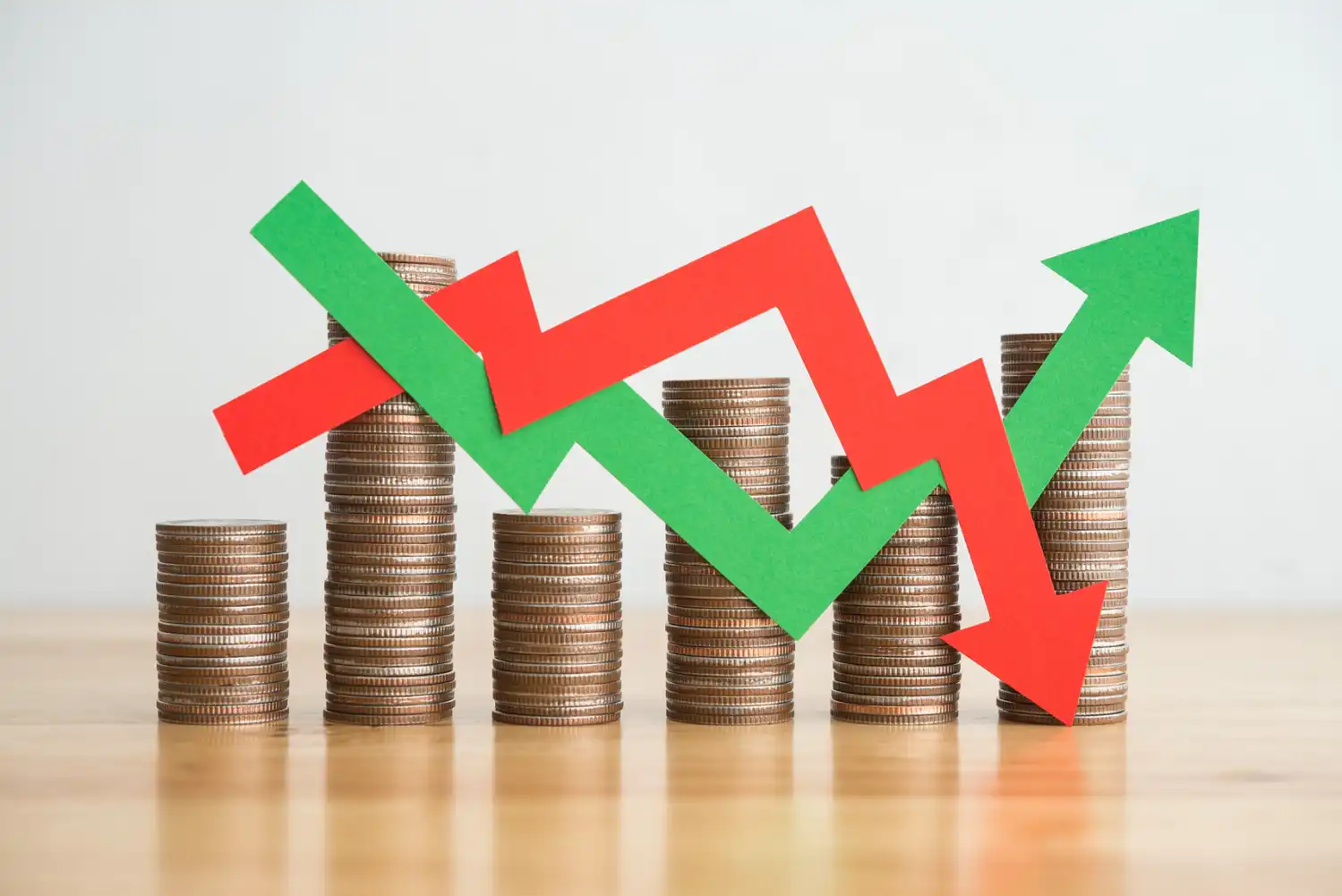
What Are the Effects of Income Inequality?
Income inequality refers to the uneven distribution of income across individuals or households within a society. While some level of income difference is expected in any market economy, large and persistent gaps between the wealthy and the rest of the population can have significant economic, social, and political consequences. The effects of income inequality extend beyond individual financial well-being, influencing economic growth, public health, education, social stability, and overall quality of life.
Slower Economic Growth
High income inequality can reduce long-term economic growth. When a large share of national income is concentrated among the wealthiest households, lower- and middle-income families have less purchasing power. Since these households typically spend a larger proportion of their income, weaker consumer demand can slow business investment and job creation.
Inequality can also limit investment in education, skills, and entrepreneurship. Talented individuals from low-income backgrounds may be unable to afford higher education or start businesses, preventing economies from making full use of their human capital.
Reduced Social Mobility
One of the most significant effects of income inequality is reduced social mobility. In highly unequal societies, children born into low-income families often face barriers to improving their economic status. These barriers include limited access to quality education, healthcare, housing, and professional networks.
As opportunities become increasingly tied to family wealth rather than individual ability, economic success becomes less dependent on merit. This can create a cycle in which poverty and wealth are passed from one generation to the next.
Poorer Health Outcomes
Income inequality is associated with worse health outcomes across populations. Lower-income individuals often have reduced access to healthcare services, nutritious food, safe housing, and preventive medical care. They are also more likely to experience chronic stress caused by financial insecurity.
Communities with greater income disparities frequently report higher rates of obesity, heart disease, mental illness, and shorter life expectancy. Even wealthier individuals may be indirectly affected because unequal societies often experience greater public health challenges and higher healthcare costs.
Educational Inequality
Income differences often translate into unequal educational opportunities. Families with higher incomes can afford better schools, private tutoring, extracurricular activities, and college education. In contrast, lower-income students may attend underfunded schools with fewer educational resources.
Educational inequality reduces future earning potential and reinforces existing income gaps. Without equal access to quality education, many capable students struggle to reach their full potential.
Increased Poverty
Although income inequality and poverty are different concepts, they are closely related. A country may experience economic growth while many people remain unable to meet their basic needs if the benefits of growth are concentrated among a small share of the population.
Greater inequality often leaves vulnerable groups with fewer economic opportunities, making it more difficult to escape poverty. This can increase dependence on public assistance and charitable support.
Higher Crime Rates
Research suggests that societies with high income inequality may experience higher levels of certain types of crime, particularly property crime. Large economic disparities can increase financial desperation and reduce legitimate economic opportunities for disadvantaged individuals.
While crime has many causes—including education, policing, and community conditions—persistent inequality may contribute to social environments where criminal activity becomes more common.
Social and Political Tensions
Large income gaps can weaken social cohesion. When people believe the economic system unfairly benefits a small elite, trust in institutions may decline. This can increase political polarization, social unrest, and public dissatisfaction.
Citizens who feel excluded from economic progress may lose confidence in governments, businesses, and democratic institutions. In extreme cases, inequality can contribute to protests, instability, and political conflict.
Greater Financial Instability
High income inequality may increase financial risks. Households with stagnant incomes sometimes rely heavily on borrowing to maintain their standard of living. Excessive household debt can make economies more vulnerable during recessions.
At the same time, wealth concentrated among high-income households may be invested in financial assets rather than productive investments, potentially contributing to asset bubbles and financial market volatility.
Lower Overall Well-Being
Income inequality can affect happiness and life satisfaction. People often compare their financial situation with those around them. Large income gaps may increase feelings of unfairness, stress, and dissatisfaction, even among individuals whose basic needs are met.
Communities with lower inequality often report higher levels of trust, stronger social relationships, and greater civic participation, all of which contribute to improved quality of life.
Pressure on Public Services
Governments facing high income inequality often experience greater demand for public services such as healthcare, housing assistance, unemployment benefits, and income support programs. At the same time, political disagreements over taxation and public spending may make it difficult to fund these services effectively.
If inequality continues to widen, governments may struggle to balance economic growth with the need to provide equal opportunities for all citizens.
Impact on Businesses
Businesses are also affected by income inequality. When large segments of the population have limited purchasing power, demand for goods and services may weaken. Companies that depend on middle-class consumers can experience slower sales growth.
On the other hand, luxury markets may expand as high-income consumers accumulate greater wealth. This can create an economy where growth increasingly depends on a relatively small group of wealthy buyers rather than broad consumer demand.
Potential Benefits of Some Income Differences
Not all income inequality is harmful. Moderate differences in income can encourage innovation, education, entrepreneurship, and career advancement by rewarding skills, effort, and risk-taking. Competitive markets often rely on financial incentives to promote productivity.
The challenge for policymakers is to ensure that these incentives exist without allowing inequality to become so extreme that it limits opportunity or harms economic and social outcomes.
Reducing the Negative Effects
Governments can reduce the harmful effects of excessive income inequality through policies that promote equal opportunity. Common approaches include:
-
Investing in quality education and workforce training.
-
Expanding access to affordable healthcare.
-
Supporting fair wages and employment opportunities.
-
Designing progressive tax systems.
-
Strengthening social safety nets.
-
Encouraging affordable housing and financial inclusion.
The most effective policy mix depends on each country's economic structure, institutions, and development level.
Conclusion
Income inequality affects much more than individual earnings. It influences economic growth, educational opportunity, health, poverty, crime, social mobility, and political stability. While some degree of income difference can encourage productivity and innovation, excessive inequality may reduce opportunity and create long-term economic and social challenges.
The goal is not necessarily to eliminate income differences entirely but to create an economy where everyone has a fair chance to succeed. Policies that promote equal opportunity while maintaining incentives for innovation can help societies achieve both prosperity and greater economic inclusion.
- Arts
- Business
- Computers
- Jeux
- Health
- Domicile
- Kids and Teens
- Argent
- News
- Personal Development
- Recreation
- Regional
- Reference
- Science
- Shopping
- Society
- Sports
- Бизнес
- Деньги
- Дом
- Досуг
- Здоровье
- Игры
- Искусство
- Источники информации
- Компьютеры
- Личное развитие
- Наука
- Новости и СМИ
- Общество
- Покупки
- Спорт
- Страны и регионы
- World

 English
 Russian
 Spanish
 Portuguese
 Deutsch
 Turkish
 Dutch
Dutch
 Italiano
 Arabic
 Romaian
 Portuguese (Brazil)
 Greek
Greek