
What are the latest trends in industrial relations?
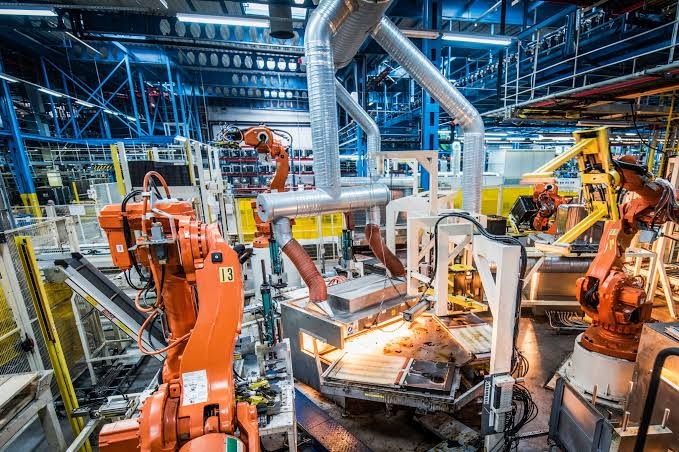
What Are the Latest Trends in Industrial Relations?
Introduction
Industrial relations have undergone significant transformation in recent years due to rapid technological advancement, globalization, changing workforce expectations, and evolving labor laws. Traditionally, industrial relations focused on the relationship between employers, employees, and trade unions. Today, however, the field encompasses a broader range of issues, including remote work, artificial intelligence (AI), diversity and inclusion, employee well-being, and sustainability.
As organizations adapt to a dynamic business environment, effective industrial relations have become essential for maintaining workplace harmony, improving productivity, and ensuring compliance with legal and ethical standards. This article explores the latest trends shaping industrial relations and examines their impact on employers, employees, and society.
1. Digital Transformation and Artificial Intelligence
One of the most influential trends in industrial relations is the integration of digital technologies and AI into the workplace. Organizations increasingly use AI-powered tools for recruitment, performance management, workforce planning, and employee engagement.
While these technologies improve efficiency and reduce administrative costs, they also raise concerns about job displacement, privacy, and algorithmic bias. Employees and labor unions are advocating for greater transparency in AI-driven decision-making and demanding policies that ensure fairness and accountability.
As a result, industrial relations now involve discussions about responsible AI implementation, employee reskilling, and ethical technology governance.
2. The Rise of Remote and Hybrid Work
The COVID-19 pandemic permanently changed the way many organizations operate. Remote and hybrid work models have become common across various industries, creating new challenges and opportunities in industrial relations.
Employers must now address issues such as:
-
Flexible working hours
-
Digital communication policies
-
Employee monitoring and privacy
-
Occupational health and safety for home offices
-
Work-life balance
Trade unions and employee representatives increasingly negotiate agreements covering remote work conditions, equipment allowances, internet reimbursements, and mental health support.
The success of hybrid work depends heavily on trust, effective communication, and fair workplace policies.
3. Greater Focus on Employee Well-being
Modern industrial relations extend beyond wages and working conditions to include employee well-being. Organizations recognize that healthy and satisfied employees are more productive and engaged.
Current well-being initiatives include:
-
Mental health counseling
-
Flexible scheduling
-
Wellness programs
-
Burnout prevention strategies
-
Employee assistance programs (EAPs)
Many collective bargaining agreements now include provisions related to psychological safety, stress management, and work-life balance.
Employee well-being has become a strategic priority rather than simply a human resources initiative.
4. Skills Development and Continuous Learning
Rapid technological change has increased the demand for continuous learning. Many traditional jobs are evolving, requiring workers to acquire new digital and technical skills.
Industrial relations increasingly emphasize:
-
Reskilling programs
-
Upskilling initiatives
-
Employer-funded training
-
Lifelong learning opportunities
-
Career development pathways
Employers, governments, and labor organizations often collaborate to create workforce development programs that prepare employees for emerging industries.
Investment in employee learning not only improves organizational competitiveness but also reduces resistance to technological change.
5. Diversity, Equity, and Inclusion (DEI)
Diversity, equity, and inclusion have become central topics in industrial relations. Organizations seek to create workplaces where individuals from different backgrounds have equal opportunities and are treated fairly.
Key initiatives include:
-
Equal pay policies
-
Anti-discrimination measures
-
Inclusive recruitment practices
-
Gender equality programs
-
Accessibility for employees with disabilities
Trade unions also advocate for stronger protections against discrimination and harassment.
Companies that prioritize DEI often experience improved employee engagement, innovation, and organizational reputation.
6. Increased Employee Voice and Participation
Modern employees expect greater involvement in workplace decisions. Traditional top-down management approaches are gradually giving way to more collaborative models.
Organizations now encourage employee participation through:
-
Staff surveys
-
Suggestion systems
-
Joint consultation committees
-
Digital feedback platforms
-
Open communication forums
Industrial relations increasingly emphasize partnership rather than conflict between management and employees.
Giving employees a meaningful voice strengthens trust and contributes to better organizational performance.
7. Declining Union Membership but New Forms of Representation
In many countries, traditional trade union membership has declined due to changes in labor markets, automation, and the growth of service industries.
However, new forms of worker representation are emerging, including:
-
Digital labor platforms
-
Professional associations
-
Worker advocacy groups
-
Online organizing campaigns
-
Independent employee networks
Social media has become an important tool for mobilizing workers and raising awareness about workplace issues.
Industrial relations are therefore evolving beyond conventional collective bargaining structures.
8. Growth of the Gig Economy
The expansion of freelance, contract, and platform-based work has significantly affected industrial relations.
Gig workers often face challenges such as:
-
Limited job security
-
Lack of employment benefits
-
Irregular income
-
Unclear employment status
Governments and courts in many countries are reviewing labor laws to determine whether gig workers should receive the same protections as traditional employees.
This debate has become one of the most significant issues in contemporary industrial relations.
9. Sustainability and Corporate Social Responsibility
Organizations increasingly recognize that responsible employment practices contribute to long-term sustainability.
Industrial relations now intersect with environmental, social, and governance (ESG) objectives.
Employers are expected to:
-
Promote ethical labor practices
-
Reduce workplace inequalities
-
Support environmentally sustainable operations
-
Ensure responsible supply chain management
Employees are increasingly interested in working for organizations whose values align with social responsibility and environmental protection.
10. Data Privacy and Workplace Surveillance
Digital technologies enable employers to monitor productivity through software, cameras, GPS tracking, and communication platforms.
Although monitoring may improve operational efficiency, it also raises concerns regarding employee privacy.
Industrial relations increasingly address questions such as:
-
What employee data may be collected?
-
How should personal information be stored?
-
Who has access to workplace data?
-
What level of monitoring is reasonable?
Clear policies and legal safeguards are essential for balancing organizational interests with employee rights.
11. Stronger Compliance with Labor Regulations
Governments continue updating employment laws to address emerging workplace challenges.
Organizations face growing expectations regarding:
-
Wage transparency
-
Workplace safety
-
Anti-harassment policies
-
Flexible work rights
-
Equal employment opportunities
-
Data protection
Industrial relations professionals must remain informed about legal developments and ensure organizational compliance.
Failure to comply can result in financial penalties, reputational damage, and workplace disputes.
12. Collaborative Conflict Resolution
Traditional industrial relations often emphasized strikes and adversarial negotiations. Today, organizations increasingly prefer collaborative methods for resolving workplace conflicts.
These approaches include:
-
Mediation
-
Interest-based bargaining
-
Workplace dialogue
-
Internal grievance procedures
-
Conflict coaching
Early dispute resolution helps maintain positive employment relationships while reducing legal costs and productivity losses.
Challenges Ahead
Despite these positive developments, industrial relations continue to face several significant challenges:
-
Managing technological disruption
-
Addressing skills shortages
-
Protecting worker rights in digital workplaces
-
Balancing organizational flexibility with employee security
-
Regulating AI and workplace automation
-
Responding to demographic changes and aging workforces
Employers, employees, governments, and labor organizations must continue working together to develop fair and sustainable employment practices.
Conclusion
Industrial relations are evolving rapidly in response to technological innovation, changing workforce expectations, and new economic realities. The latest trends—including AI adoption, hybrid work, employee well-being, continuous learning, diversity and inclusion, gig work, sustainability, and collaborative conflict resolution—reflect a shift toward more flexible, employee-centered workplaces.
Successful organizations recognize that positive industrial relations are not merely about avoiding disputes but about building trust, encouraging participation, and supporting long-term organizational success. As the future of work continues to evolve, industrial relations will remain a critical factor in creating productive, inclusive, and resilient workplaces.
Ultimately, organizations that embrace these emerging trends while balancing business objectives with employee needs will be better positioned to thrive in an increasingly competitive and rapidly changing global economy.
- Arts
- Business
- Computers
- Jogos
- Health
- Início
- Kids and Teens
- Money
- News
- Personal Development
- Recreation
- Regional
- Reference
- Science
- Shopping
- Society
- Sports
- Бизнес
- Деньги
- Дом
- Досуг
- Здоровье
- Игры
- Искусство
- Источники информации
- Компьютеры
- Личное развитие
- Наука
- Новости и СМИ
- Общество
- Покупки
- Спорт
- Страны и регионы
- World

 English
 Russian
 French
 Spanish
 Portuguese
 Deutsch
 Turkish
 Dutch
Dutch
 Italiano
 Arabic
 Romaian
 Greek
Greek
