
What are the future challenges of industrial relations?
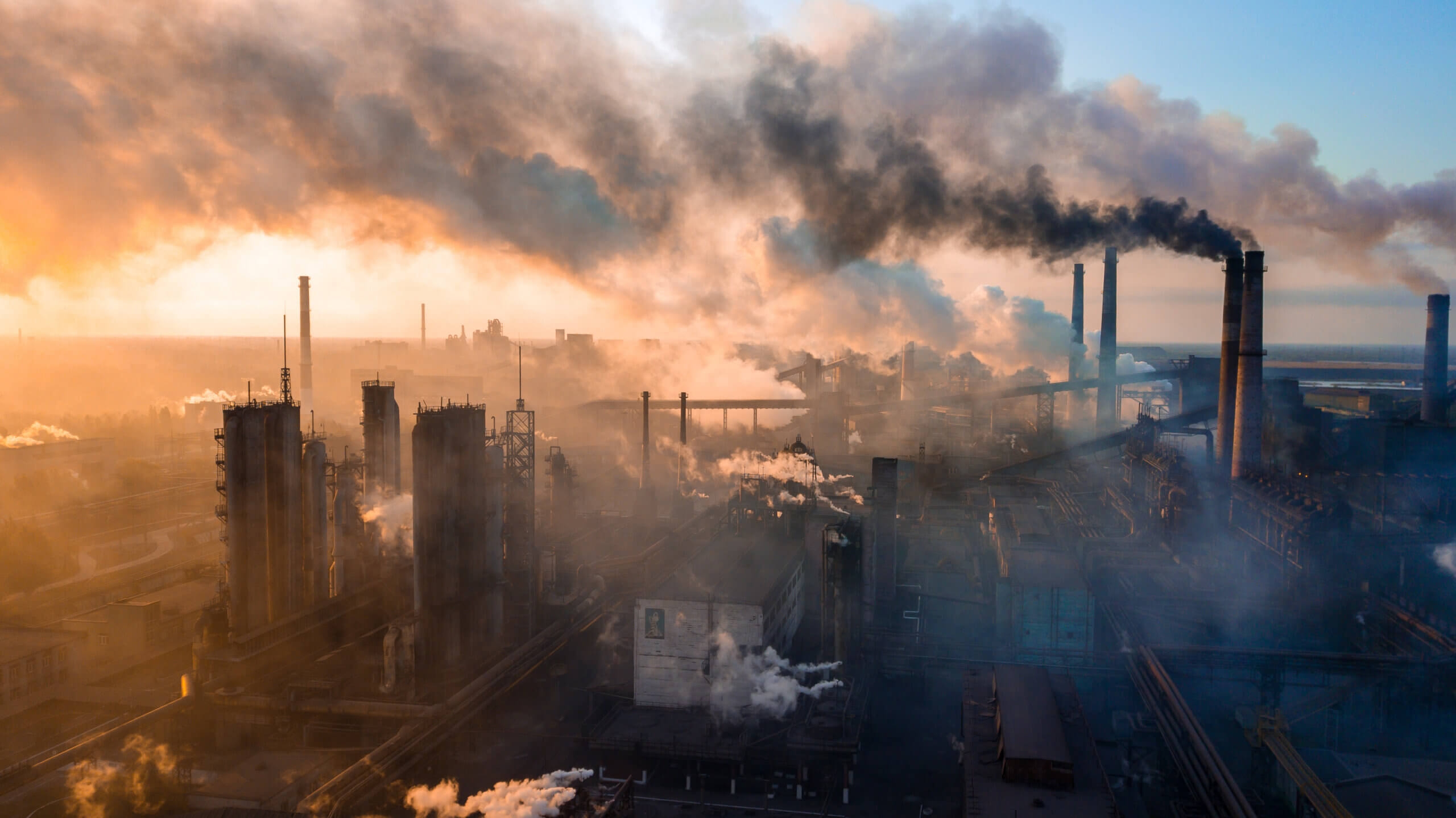
What Are the Future Challenges of Industrial Relations?
Introduction
Industrial relations—the relationship between employers, employees, trade unions, and governments—are undergoing profound changes. Technological innovation, globalization, demographic shifts, environmental concerns, and evolving employment models are reshaping workplaces worldwide. Traditional approaches to labor relations are increasingly being tested by new forms of work and changing employee expectations. As organizations strive to remain competitive while ensuring fair treatment of workers, industrial relations face numerous challenges that will define the future of work.
The Rise of Artificial Intelligence and Automation
Artificial intelligence (AI), robotics, and automation are transforming industries at an unprecedented pace. Routine tasks are increasingly performed by machines, reducing the demand for certain jobs while creating opportunities for new, highly skilled roles.
This shift presents several industrial relations challenges. Workers fear job displacement, wage stagnation, and reduced bargaining power. Employers, on the other hand, seek greater efficiency and productivity through technological investments. Balancing technological progress with employment security will require effective dialogue between management, employees, and unions.
Future industrial relations will need to emphasize continuous learning, reskilling, and fair transition policies to help workers adapt to changing job requirements.
Growth of the Gig Economy
The rapid expansion of freelance, contract, and platform-based work has fundamentally altered traditional employment relationships. Ride-sharing drivers, food delivery workers, online freelancers, and digital contractors often work outside conventional labor regulations.
This creates uncertainty regarding wages, working hours, social protection, healthcare, pensions, and collective bargaining rights. Many gig workers lack legal recognition as employees, limiting their access to workplace protections.
Industrial relations systems must evolve to address these new employment arrangements while maintaining flexibility that benefits both workers and businesses.
Remote and Hybrid Work
The COVID-19 pandemic accelerated the adoption of remote and hybrid work arrangements, many of which have become permanent. Although flexible work offers benefits such as improved work-life balance and reduced commuting, it also creates new industrial relations issues.
Employers face challenges in monitoring productivity, maintaining organizational culture, and ensuring cybersecurity. Employees may experience isolation, blurred boundaries between work and personal life, and unequal access to career advancement.
Future industrial relations frameworks must establish clear guidelines on working hours, performance evaluation, digital communication, occupational health, and employee well-being in virtual workplaces.
Changing Employee Expectations
Modern employees increasingly value more than competitive salaries. They seek meaningful work, career development, flexibility, diversity, inclusion, mental health support, and work-life balance.
Younger generations entering the workforce often expect greater transparency, participation in decision-making, and socially responsible employers. Organizations that fail to meet these expectations may struggle to attract and retain talented workers.
Industrial relations must therefore become more collaborative, emphasizing employee engagement, communication, and organizational trust.
Declining Union Membership
In many countries, trade union membership has declined over recent decades. Structural economic changes, service-sector growth, smaller workplaces, and non-standard employment have reduced traditional union influence.
As union density decreases, collective bargaining coverage may shrink, potentially increasing income inequality and weakening employee representation.
To remain relevant, unions must modernize by embracing digital communication, organizing workers in emerging industries, representing gig workers, and addressing broader social issues beyond wages and working conditions.
Globalization and International Competition
Businesses increasingly operate across international borders, creating highly competitive global markets. Companies may relocate production to countries with lower labor costs or outsource services to overseas providers.
While globalization creates economic opportunities, it can also generate pressure to reduce labor costs and weaken employment conditions. Differences in labor standards between countries complicate industrial relations.
International cooperation, stronger labor standards, and responsible corporate governance will become increasingly important to ensure fair treatment of workers throughout global supply chains.
Skills Shortages and Workforce Transformation
Rapid technological advancement means that many existing skills become obsolete more quickly than ever before. At the same time, employers often struggle to recruit workers with expertise in digital technologies, cybersecurity, artificial intelligence, and advanced manufacturing.
Industrial relations will increasingly focus on workforce development rather than simply resolving workplace disputes. Governments, educational institutions, employers, and unions must collaborate to promote lifelong learning, vocational training, and skills development.
Investment in human capital will become a critical component of sustainable industrial relations.
Diversity, Equity, and Inclusion
Future workplaces will become increasingly diverse in terms of gender, age, ethnicity, disability, culture, and nationality. While diversity offers significant organizational benefits, it also requires inclusive workplace policies.
Industrial relations systems must address equal pay, anti-discrimination measures, accessible workplaces, and fair promotion opportunities. Effective diversity management reduces workplace conflict and enhances employee satisfaction.
Organizations that foster inclusive cultures are more likely to attract talented employees and improve long-term organizational performance.
Mental Health and Employee Well-Being
Mental health has become a major workplace concern. High workloads, technological connectivity, job insecurity, and organizational change contribute to stress, anxiety, and burnout.
Future industrial relations will place greater emphasis on psychological safety alongside physical workplace safety. Employers may need to invest in employee assistance programs, flexible working arrangements, stress management initiatives, and supportive leadership practices.
Healthy employees are generally more productive, engaged, and resilient during periods of organizational change.
Climate Change and the Green Transition
The transition toward environmentally sustainable economies will significantly affect industrial relations. New green industries will create employment opportunities, while carbon-intensive industries may experience job losses or restructuring.
The concept of a "just transition" emphasizes protecting workers whose jobs are affected by environmental policies. Governments, employers, and labor organizations must cooperate to provide retraining, income support, and employment opportunities during the transition.
Environmental sustainability will increasingly become an industrial relations issue rather than solely an environmental concern.
Data Privacy and Workplace Surveillance
Digital technologies enable employers to monitor employee performance through software, wearable devices, GPS tracking, and artificial intelligence systems. While such technologies may improve productivity and security, they also raise concerns about employee privacy.
Future industrial relations must establish clear boundaries regarding workplace surveillance, data collection, algorithmic decision-making, and employee consent.
Transparent policies and ethical technology governance will help maintain trust between employers and employees.
Government Policy and Regulation
Governments play a crucial role in shaping labor laws, minimum wages, occupational safety standards, and employment protections. However, rapidly changing labor markets often outpace existing legislation.
Future policymakers face the challenge of creating flexible regulations that encourage innovation while protecting workers' rights. Effective industrial relations require collaboration between governments, employers, labor organizations, and civil society to develop responsive labor policies.
Conclusion
The future of industrial relations will be shaped by technological innovation, globalization, demographic change, evolving work arrangements, and increasing social expectations. Challenges such as automation, gig work, remote employment, declining union membership, mental health, diversity, climate change, and data privacy require new approaches that prioritize cooperation rather than conflict.
Successful industrial relations systems will depend on adaptability, continuous dialogue, mutual trust, and shared responsibility among employers, employees, governments, and trade unions. By embracing innovation while safeguarding fairness and worker well-being, industrial relations can continue to promote productive workplaces, sustainable economic growth, and social stability in an increasingly complex world.
- Arts
- Business
- Computers
- Giochi
- Health
- Home
- Kids and Teens
- Money
- News
- Personal Development
- Recreation
- Regional
- Reference
- Science
- Shopping
- Society
- Sports
- Бизнес
- Деньги
- Дом
- Досуг
- Здоровье
- Игры
- Искусство
- Источники информации
- Компьютеры
- Личное развитие
- Наука
- Новости и СМИ
- Общество
- Покупки
- Спорт
- Страны и регионы
- World

 English
 Russian
 French
 Spanish
 Portuguese
 Deutsch
 Turkish
 Dutch
Dutch
 Arabic
 Romaian
 Portuguese (Brazil)
 Greek
Greek
