
What Is Inflation?
What Is Inflation?
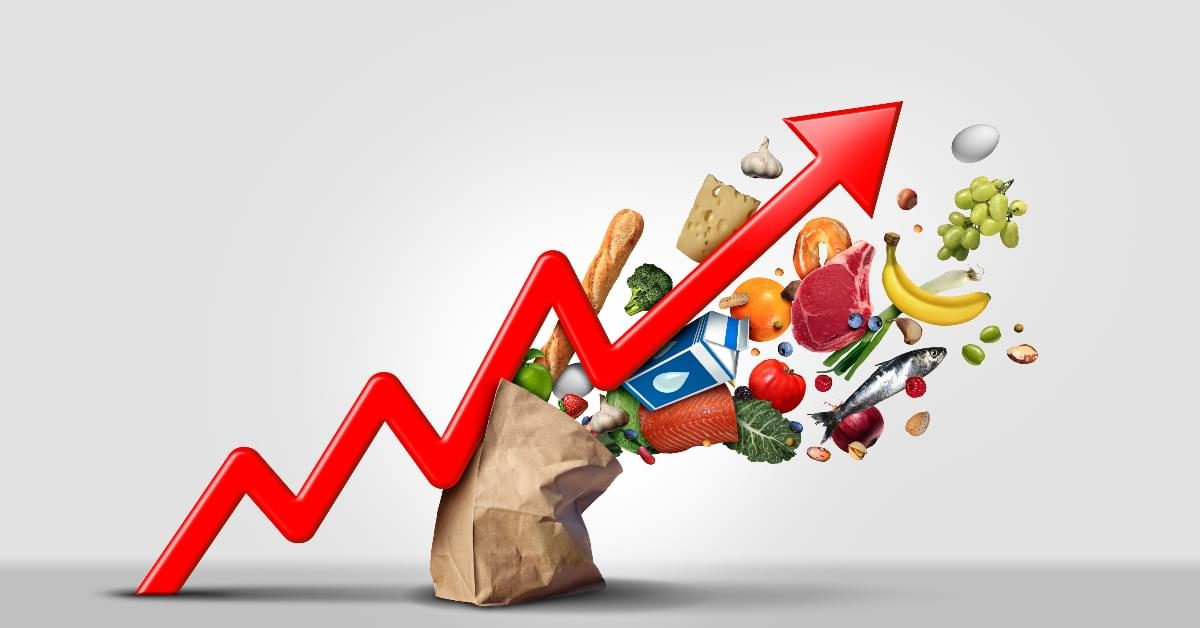
Inflation is a common economic term that refers to the general increase in the prices of goods and services over time. When inflation occurs, the purchasing power of money decreases, meaning that people can buy fewer goods and services with the same amount of money than they could before. For example, if a cup of coffee costs $2 today but costs $2.50 next year due to rising prices, the economy has experienced inflation.
Inflation is a natural part of most economies, and a moderate level of inflation is often considered healthy because it can encourage spending, investment, and economic growth. However, when inflation becomes too high or unpredictable, it can create financial challenges for individuals, businesses, and governments.
Understanding Inflation
Inflation measures how quickly the prices of goods and services are increasing within an economy. It affects almost every aspect of daily life, including food, housing, transportation, healthcare, education, and entertainment.
The most common way to measure inflation is through a price index, which tracks changes in the cost of a selected group of goods and services over time. One widely used measure is the Consumer Price Index (CPI), which reflects the average change in prices paid by consumers for everyday items. Governments and economic organizations use inflation data to make decisions about monetary policies, wages, and economic planning.
For example, if the CPI shows that prices have increased by 5% compared with the previous year, it means that consumers generally need about 5% more money to purchase the same basket of goods and services.
Causes of Inflation
Inflation can occur for several reasons. Economists generally divide the causes of inflation into three main categories: demand-pull inflation, cost-push inflation, and built-in inflation.
1. Demand-Pull Inflation
Demand-pull inflation occurs when demand for goods and services grows faster than the economy’s ability to produce them. When many consumers want to buy more products but businesses cannot increase supply quickly enough, prices tend to rise.
For example, if a country experiences strong economic growth and people have higher incomes, they may spend more on homes, cars, and other goods. If producers cannot keep up with this increased demand, shortages may occur, causing prices to increase.
2. Cost-Push Inflation
Cost-push inflation happens when the costs of producing goods and services rise, forcing businesses to increase their prices. Higher production costs can result from increases in wages, raw material prices, energy costs, or transportation expenses.
For instance, if oil prices rise significantly, transportation and manufacturing costs may increase. Businesses may pass these additional costs on to consumers by charging higher prices for products.
3. Built-In Inflation
Built-in inflation occurs when people expect prices to continue rising and adjust their behavior accordingly. Workers may demand higher wages to keep up with increasing living costs, and businesses may raise prices to cover higher labor expenses. This creates a cycle where wages and prices continue increasing.
Effects of Inflation
Inflation affects different groups in different ways. While some people may benefit from inflation, others may experience financial difficulties.
Reduced Purchasing Power
The most noticeable effect of inflation is the decline in purchasing power. As prices rise, the value of money falls. A person who saves $1,000 may find that their savings can buy fewer goods and services in the future if inflation continues.
Impact on Savings
High inflation can reduce the real value of savings, especially if interest rates on savings accounts are lower than the inflation rate. For example, if inflation is 6% per year but a savings account earns only 2%, the money loses purchasing power over time.
Effects on Borrowers and Lenders
Inflation can benefit borrowers because they repay loans with money that is worth less than when they borrowed it. However, lenders may lose because the money they receive back has reduced purchasing power.
For example, someone who takes out a fixed-rate loan during a period of high inflation may repay the loan using future income that has increased due to rising wages.
Impact on Businesses
Businesses face challenges during periods of high inflation because production costs become unpredictable. Companies may need to pay more for materials, wages, and transportation. Some businesses respond by increasing prices, reducing expenses, or delaying investments.
Impact on Economic Stability
Very high inflation can create uncertainty in an economy. Consumers may rush to buy goods before prices rise further, while businesses may struggle to plan for the future. In extreme cases, uncontrolled inflation can damage economic growth and reduce public confidence in the financial system.
Types of Inflation
Inflation can be classified based on how quickly prices are increasing.
Mild Inflation
Mild inflation refers to a slow and manageable increase in prices. Many economists consider a small amount of inflation to be a sign of a growing economy.
Moderate Inflation
Moderate inflation involves a higher but still controllable increase in prices. Governments and central banks may adjust economic policies to prevent inflation from rising further.
Hyperinflation
Hyperinflation is an extremely rapid increase in prices, often occurring when an economy loses control over its money supply or experiences severe economic problems. During hyperinflation, prices can rise daily or even hourly, making money lose value very quickly.
Historical examples of hyperinflation include Germany in the 1920s and Zimbabwe in the late 2000s.
Inflation and the Role of Central Banks
Central banks play an important role in managing inflation. They use monetary policies to influence the amount of money circulating in the economy and control economic activity.
One common tool is adjusting interest rates. When inflation is too high, central banks may increase interest rates. Higher interest rates make borrowing more expensive, which can reduce spending and slow price increases.
When inflation is too low, central banks may lower interest rates to encourage borrowing, investment, and economic growth.
Central banks usually aim for a stable inflation rate rather than eliminating inflation completely. Many countries target a low and predictable inflation rate to support economic stability.
Inflation vs. Deflation
Inflation occurs when prices rise, while deflation occurs when prices fall. Although falling prices may seem beneficial, prolonged deflation can create economic problems.
When people expect prices to keep falling, they may delay purchases, causing businesses to earn less revenue. This can lead to reduced production, job losses, and slower economic growth.
For this reason, moderate inflation is often preferred over persistent deflation.
How Individuals Can Manage Inflation
People can take several steps to reduce the impact of inflation on their finances:
-
Create a budget: Tracking expenses helps manage rising costs.
-
Invest wisely: Certain investments, such as stocks, real estate, or inflation-protected assets, may help preserve wealth over time.
-
Increase income: Developing skills, seeking better job opportunities, or starting additional income sources can help keep up with rising prices.
-
Reduce unnecessary spending: Cutting avoidable expenses can help maintain financial stability.
-
Diversify savings: Keeping money in different types of assets may protect against inflation risks.
Conclusion
Inflation is the increase in the overall prices of goods and services over time, leading to a reduction in the purchasing power of money. It is caused by factors such as increased demand, rising production costs, and expectations of future price increases.
A moderate level of inflation is a normal feature of a healthy economy, but excessive inflation can create serious financial challenges. Governments and central banks monitor inflation closely and use economic policies to maintain stability.
Understanding inflation helps individuals, businesses, and policymakers make better financial decisions. By recognizing its causes, effects, and management strategies, people can better prepare for changes in the economy and protect their financial well-being.
- Arts
- Business
- Computers
- Oyunlar
- Health
- Home
- Kids and Teens
- Money
- News
- Personal Development
- Recreation
- Regional
- Reference
- Science
- Shopping
- Society
- Sports
- Бизнес
- Деньги
- Дом
- Досуг
- Здоровье
- Игры
- Искусство
- Источники информации
- Компьютеры
- Личное развитие
- Наука
- Новости и СМИ
- Общество
- Покупки
- Спорт
- Страны и регионы
- World

 English
 Russian
 French
 Spanish
 Portuguese
 Deutsch
 Dutch
Dutch
 Italiano
 Arabic
 Romaian
 Portuguese (Brazil)
 Greek
Greek
