
What is demand-pull inflation?
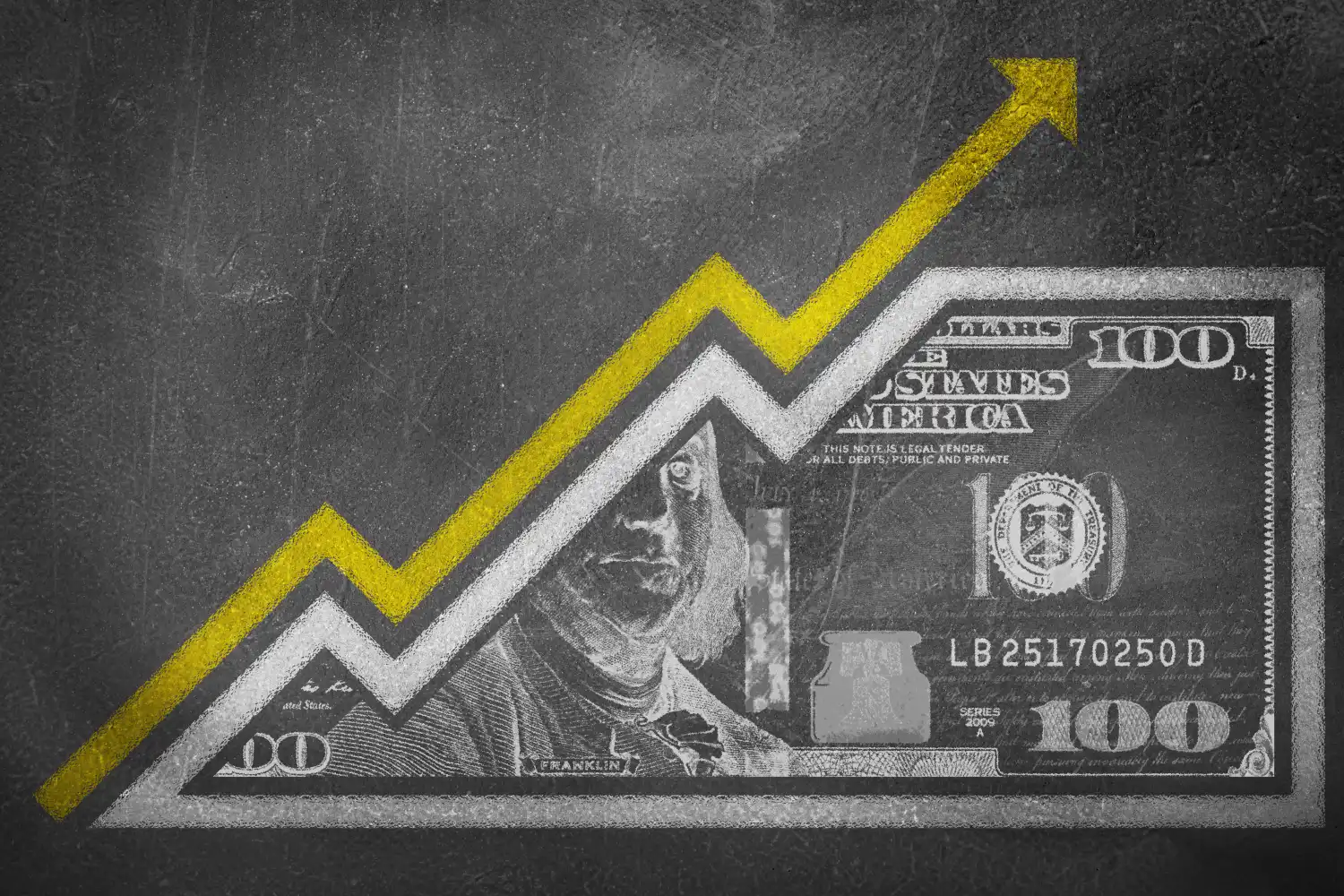
What Is Demand-Pull Inflation?
Inflation is one of the most important economic concepts because it directly affects the prices people pay for goods and services. While inflation can occur for many reasons, one of the most common is demand-pull inflation. This type of inflation happens when the demand for goods and services grows faster than the economy's ability to produce them.
Understanding demand-pull inflation helps consumers, businesses, and policymakers make informed financial decisions. This article explains what demand-pull inflation is, what causes it, how it affects the economy, and how governments and central banks try to control it.
What Is Demand-Pull Inflation?
Demand-pull inflation is a rise in the general price level caused by strong consumer, business, or government demand that exceeds the available supply of goods and services.
Economists often summarize it with the phrase:
"Too much money chasing too few goods."
When buyers compete for a limited supply of products, businesses can raise prices because customers are willing to pay more. If this situation continues across many industries, overall inflation increases.
How Demand-Pull Inflation Works
Demand-pull inflation usually follows a simple sequence:
-
Consumer or business spending increases.
-
Demand for products and services rises.
-
Businesses struggle to meet the higher demand.
-
Supplies become limited.
-
Companies raise prices.
-
The overall price level in the economy increases.
For example, imagine a city where everyone suddenly receives a significant tax rebate. Many people decide to buy new televisions at the same time. Electronics stores quickly sell out, and manufacturers cannot immediately increase production. Because demand is much higher than supply, retailers increase prices.
Main Causes of Demand-Pull Inflation
Several factors can create strong demand in an economy.
1. Increased Consumer Spending
When households have higher incomes, lower taxes, or greater confidence in the economy, they tend to spend more money.
Higher spending boosts demand for:
-
Housing
-
Cars
-
Electronics
-
Travel
-
Restaurants
-
Entertainment
If businesses cannot expand production quickly enough, prices begin to rise.
2. Government Spending
Governments sometimes increase spending to stimulate economic growth.
Examples include:
-
Infrastructure projects
-
Public sector hiring
-
Military spending
-
Economic stimulus programs
While these policies can boost employment and growth, excessive spending may increase demand beyond the economy's productive capacity, leading to inflation.
3. Low Interest Rates
Central banks often lower interest rates to encourage borrowing.
Cheaper loans make it easier for people and businesses to finance:
-
Homes
-
Cars
-
Business expansion
-
Equipment purchases
As borrowing increases, spending rises, which can fuel demand-pull inflation.
4. Growth in Exports
If foreign buyers suddenly demand more products from a country, domestic producers may sell more goods overseas.
This reduces the supply available at home, increasing competition among local buyers and pushing prices upward.
5. Population Growth
A growing population naturally increases demand for:
-
Food
-
Housing
-
Healthcare
-
Transportation
-
Consumer goods
If production does not keep pace, inflationary pressure can develop.
Demand-Pull Inflation and Aggregate Demand
In economics, demand-pull inflation is closely linked to aggregate demand, which represents the total demand for all goods and services in an economy.
When aggregate demand rises faster than aggregate supply, businesses operate near full capacity. Eventually, production cannot increase enough to satisfy demand, causing prices to rise instead.
This often occurs during periods of strong economic growth.
Real-World Example
Suppose a country's economy is recovering after a recession.
-
Employment rises.
-
Workers receive higher wages.
-
Consumers become optimistic.
-
Banks offer low-interest loans.
-
Businesses invest more.
People begin purchasing homes, furniture, appliances, and cars at a rapid pace.
Manufacturers cannot immediately increase production because factories, workers, and raw materials are limited. Retailers notice products selling quickly and raise prices. Other businesses follow, creating economy-wide inflation.
This is a classic example of demand-pull inflation.
Advantages of Moderate Demand-Pull Inflation
Although inflation often receives negative attention, moderate demand-pull inflation can indicate a healthy economy.
Some benefits include:
Economic Growth
Strong demand encourages businesses to increase production and invest in expansion.
Higher Employment
Growing demand often requires companies to hire more workers.
Rising Business Profits
Businesses selling more products may experience higher revenues and profits.
Increased Investment
Companies become more willing to invest in new factories, technology, and equipment when demand remains strong.
Disadvantages of Demand-Pull Inflation
If inflation becomes excessive, the negative effects outweigh the benefits.
Reduced Purchasing Power
As prices rise, consumers can buy fewer goods with the same amount of money.
Higher Cost of Living
Everyday expenses become more expensive, including:
-
Food
-
Housing
-
Utilities
-
Transportation
Lower Savings Value
Money saved today loses purchasing power if prices continue rising rapidly.
Higher Interest Rates
Central banks often raise interest rates to reduce spending and slow inflation.
Higher borrowing costs can make mortgages, car loans, and business financing more expensive.
Economic Uncertainty
Rapid inflation makes it harder for businesses to plan investments and set prices, potentially slowing long-term growth.
Demand-Pull Inflation vs. Cost-Push Inflation
Demand-pull inflation differs from another major type of inflation known as cost-push inflation.
| Demand-Pull Inflation | Cost-Push Inflation |
|---|---|
| Caused by rising demand | Caused by rising production costs |
| Demand exceeds supply | Supply becomes more expensive |
| Often occurs during economic expansion | Can occur even during slow economic growth |
| Consumers drive price increases | Businesses raise prices due to higher costs |
For example:
-
A surge in consumer spending that raises prices is demand-pull inflation.
-
Rising oil prices that increase transportation costs and product prices are cost-push inflation.
How Central Banks Control Demand-Pull Inflation
Central banks use monetary policy to keep inflation under control.
Common tools include:
Raising Interest Rates
Higher interest rates make borrowing more expensive.
As borrowing declines:
-
Consumer spending slows.
-
Business investment decreases.
-
Demand falls.
-
Inflation eases.
Reducing the Money Supply
Central banks may reduce the amount of money circulating in the economy, making credit less available and slowing spending.
Managing Inflation Expectations
Clear communication about future policy can help businesses and consumers expect stable inflation, reducing the risk of rapid price increases driven by expectations alone.
How Governments Can Help
Governments also play a role through fiscal policy.
Possible actions include:
-
Reducing unnecessary public spending.
-
Increasing taxes to lower disposable income.
-
Encouraging productivity improvements.
-
Investing in infrastructure that expands production capacity.
Increasing the economy's ability to produce goods and services helps meet demand without causing excessive inflation.
Is Demand-Pull Inflation Always Bad?
Not necessarily.
Most central banks aim for low and stable inflation, often around 2% annually. A moderate level of demand-pull inflation typically reflects healthy economic activity.
Problems arise when demand grows much faster than supply over an extended period. In that case, inflation can accelerate, reducing purchasing power and creating economic instability.
The goal is not to eliminate inflation entirely but to keep it at a level that supports sustainable economic growth.
Conclusion
Demand-pull inflation occurs when demand for goods and services grows faster than the economy can supply them. Increased consumer spending, government expenditure, low interest rates, export growth, and rising confidence can all contribute to this type of inflation.
While moderate demand-pull inflation often signals a growing economy with rising employment and investment, excessive inflation can reduce purchasing power, increase living costs, and create economic uncertainty. Central banks and governments use monetary and fiscal policies to balance demand with supply and maintain stable prices.
By understanding demand-pull inflation, individuals and businesses can better interpret economic conditions and make informed decisions about spending, investing, and financial planning.
- Arts
- Business
- Computers
- Oyunlar
- Health
- Home
- Kids and Teens
- Money
- News
- Personal Development
- Recreation
- Regional
- Reference
- Science
- Shopping
- Society
- Sports
- Бизнес
- Деньги
- Дом
- Досуг
- Здоровье
- Игры
- Искусство
- Источники информации
- Компьютеры
- Личное развитие
- Наука
- Новости и СМИ
- Общество
- Покупки
- Спорт
- Страны и регионы
- World

 English
 Russian
 French
 Spanish
 Portuguese
 Deutsch
 Dutch
Dutch
 Italiano
 Arabic
 Romaian
 Portuguese (Brazil)
 Greek
Greek
