
How does quantitative easing affect inflation?
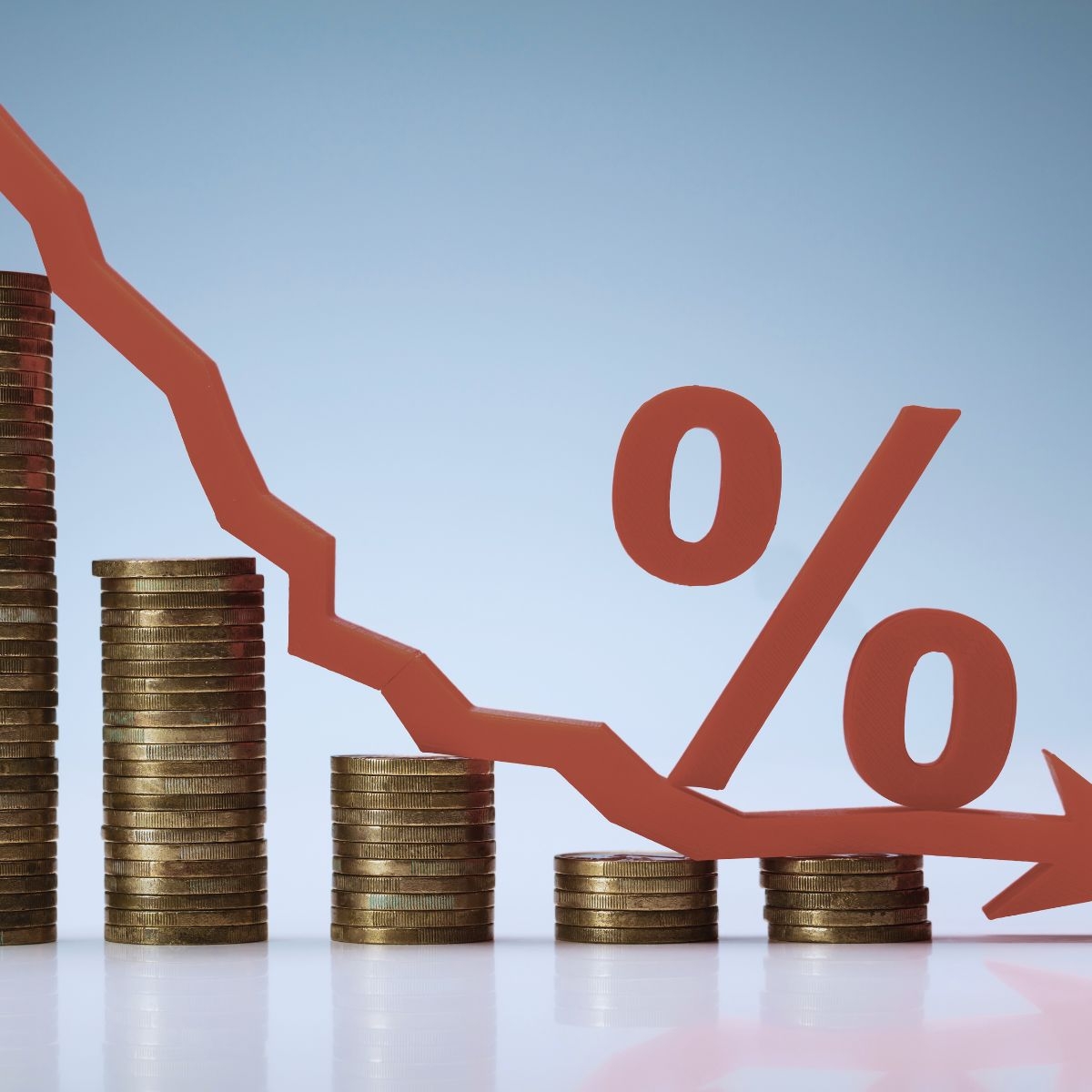
How Does Quantitative Easing Affect Inflation?
Quantitative easing (QE) is an unconventional monetary policy used by central banks to stimulate economic activity when interest rates are already very low. It gained global attention during the 2008 financial crisis and was used extensively again during the COVID-19 pandemic. One of the main goals of QE is to prevent deflation and encourage inflation to move toward a healthy target, often around 2%.
But how exactly does quantitative easing affect inflation? The answer lies in how it changes the money supply, borrowing costs, spending, and investment throughout the economy.
What Is Quantitative Easing?
Quantitative easing is a policy in which a central bank creates new money electronically and uses it to purchase financial assets, typically government bonds and sometimes corporate bonds or other securities.
Unlike printing physical cash, QE increases the amount of reserves held by commercial banks. This injects liquidity into the financial system, making it easier for banks to lend and for businesses and households to borrow.
The primary objectives of QE include:
-
Supporting economic growth
-
Lowering long-term interest rates
-
Encouraging lending and investment
-
Preventing deflation
-
Helping inflation reach the central bank's target
How QE Can Increase Inflation
QE influences inflation through several channels.
1. Increasing the Money Supply
When central banks buy assets, they create new money that enters the financial system. More money available for lending can eventually lead to higher spending by consumers and businesses.
If demand for goods and services grows faster than supply, businesses may raise prices, resulting in inflation.
2. Lowering Long-Term Interest Rates
Large-scale bond purchases increase demand for bonds, causing their prices to rise and their yields to fall.
Lower long-term interest rates make borrowing cheaper for:
-
Homebuyers
-
Businesses investing in expansion
-
Consumers financing major purchases
Greater borrowing often leads to higher spending, which can increase inflationary pressure.
3. Boosting Asset Prices
QE often raises prices for assets such as:
-
Stocks
-
Bonds
-
Real estate
As people's investments become more valuable, they may feel wealthier and spend more—a phenomenon known as the wealth effect.
Higher consumer spending can contribute to rising prices across the economy.
4. Encouraging Bank Lending
Commercial banks receive additional reserves when the central bank purchases assets.
Although reserves alone do not guarantee more lending, banks generally have greater capacity to provide loans. More lending supports business investment and consumer spending, both of which can contribute to inflation.
5. Influencing Inflation Expectations
Inflation expectations matter because they affect spending decisions.
If households and businesses believe prices will rise moderately in the future, they may choose to:
-
Buy goods sooner
-
Invest earlier
-
Increase wages
-
Raise prices gradually
These behaviors can help generate the inflation the central bank is aiming for.
Why QE Doesn't Always Cause High Inflation
Many people assume that creating money automatically leads to runaway inflation. In reality, this is not always the case.
Following the 2008 global financial crisis, many advanced economies implemented massive QE programs. Despite large increases in central bank balance sheets, inflation remained relatively low for many years.
Several factors explain this outcome.
Weak Consumer Demand
During recessions, households often reduce spending and focus on saving money or paying off debt.
Even with lower borrowing costs, people may hesitate to make large purchases.
Banks May Lend Less
Banks can choose to hold excess reserves instead of making new loans if they perceive high risks or weak demand for credit.
Without increased lending, the newly created money circulates less throughout the economy.
Low Business Confidence
Businesses are unlikely to expand production or hire more workers if they expect weak future demand.
As a result, investment remains subdued despite easier financial conditions.
Global Economic Forces
Globalization, technological innovation, and increased productivity have helped keep prices relatively stable in many countries.
These structural factors can offset inflationary pressure created by QE.
When QE Can Lead to Higher Inflation
QE is more likely to contribute to noticeable inflation when several conditions occur together:
-
The economy is already recovering.
-
Consumers are spending confidently.
-
Businesses are investing heavily.
-
Employment is strong.
-
Supply struggles to keep up with demand.
In these circumstances, additional money and credit can increase demand beyond the economy's productive capacity, causing prices to rise.
The inflation surge seen in many countries after the COVID-19 pandemic reflected a combination of factors, including QE, government fiscal stimulus, supply chain disruptions, labor shortages, and strong consumer demand. Economists generally agree that QE was one contributing factor rather than the sole cause.
Risks of Excessive Quantitative Easing
While QE can stabilize an economy during crises, maintaining it for too long may create challenges.
Higher Inflation
If demand grows too rapidly while supply remains limited, inflation may rise above the central bank's target.
Asset Price Bubbles
Low interest rates can encourage investors to take greater risks, potentially inflating prices in stock markets or real estate beyond their fundamental values.
Rising Wealth Inequality
Since QE often boosts financial asset prices, households that own stocks and property may benefit more than those with few investments.
This can widen wealth inequality over time.
Difficult Policy Exit
Eventually, central banks may need to reduce their asset holdings or raise interest rates to control inflation.
Removing monetary stimulus too quickly could slow economic growth, while acting too slowly may allow inflation to remain elevated.
Does QE Always Increase the Money People Spend?
Not necessarily.
QE mainly increases reserves within the banking system. For inflation to rise significantly, those reserves usually need to support greater lending, spending, and investment.
If consumers choose to save rather than spend, or if businesses avoid borrowing, the impact on inflation may remain limited.
Quantitative Easing vs. Money Printing
People often describe QE as "printing money," but there is an important distinction.
Traditional money printing usually refers to creating physical currency to finance government spending directly.
QE involves the central bank purchasing financial assets in exchange for newly created electronic reserves. While both expand the money supply in different ways, QE primarily works through financial markets and the banking system.
Conclusion
Quantitative easing is a powerful monetary policy designed to support economic growth and prevent deflation when conventional interest rate cuts are no longer effective. By increasing liquidity, lowering long-term borrowing costs, boosting asset prices, and encouraging lending, QE can stimulate spending and help raise inflation toward a central bank's target.
However, QE does not automatically produce high inflation. Its effectiveness depends on consumer confidence, bank lending, business investment, and the overall health of the economy. During periods of weak demand, QE may have only a modest effect on prices. In stronger economic conditions, however, it can contribute to higher inflation, especially when combined with robust spending and supply constraints.
Ultimately, quantitative easing is most effective when used as part of a broader economic strategy. Central banks must carefully balance its benefits against potential risks such as excessive inflation, asset bubbles, and financial instability, ensuring that monetary support is withdrawn when economic conditions improve.
- Arts
- Business
- Computers
- Juegos
- Health
- Home
- Kids and Teens
- Money
- News
- Personal Development
- Recreation
- Regional
- Reference
- Science
- Shopping
- Society
- Sports
- Бизнес
- Деньги
- Дом
- Досуг
- Здоровье
- Игры
- Искусство
- Источники информации
- Компьютеры
- Личное развитие
- Наука
- Новости и СМИ
- Общество
- Покупки
- Спорт
- Страны и регионы
- World

 English
 Russian
 French
 Portuguese
 Deutsch
 Turkish
 Dutch
Dutch
 Italiano
 Arabic
 Romaian
 Portuguese (Brazil)
 Greek
Greek
