
What caused recent global inflation?
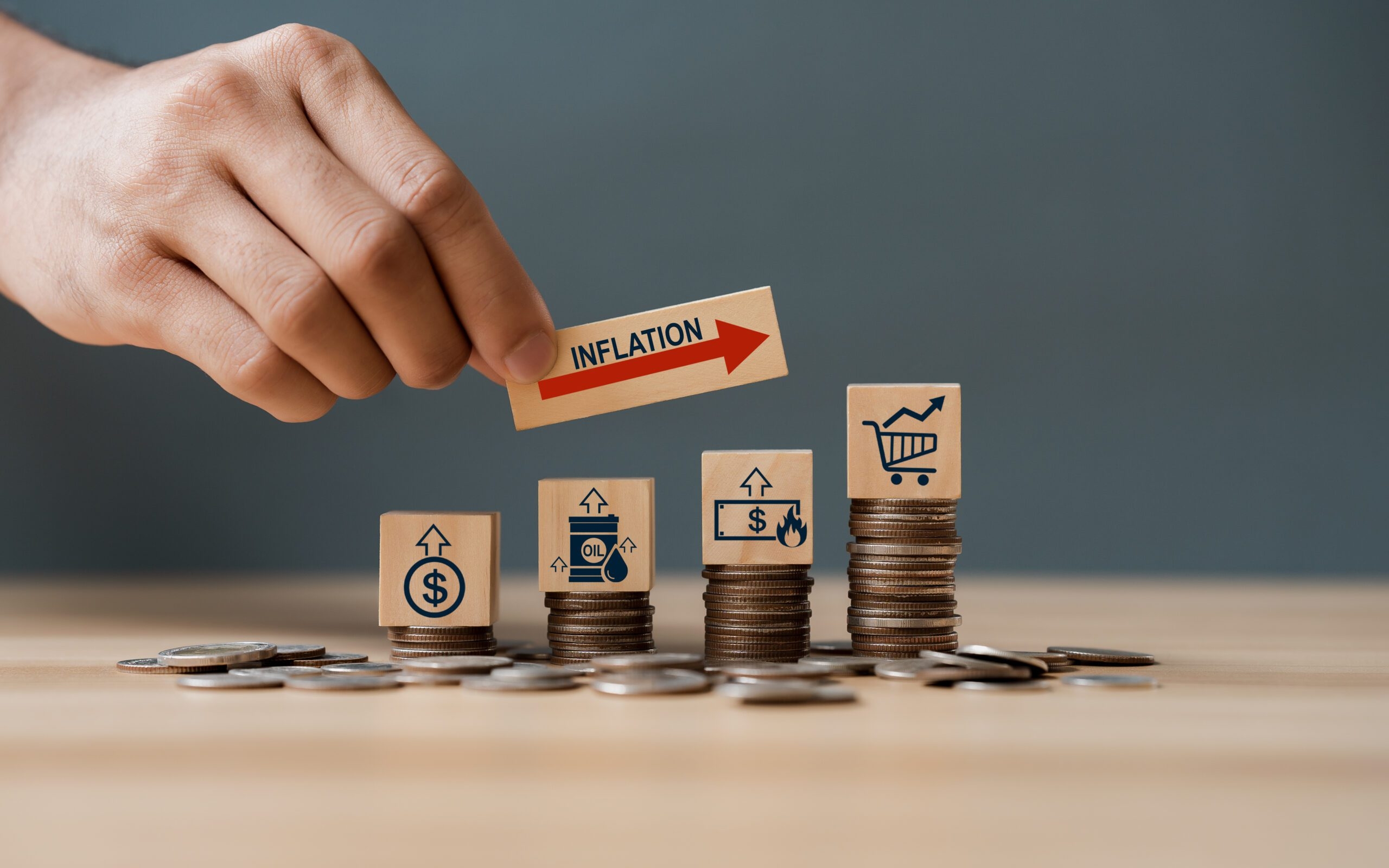
What Caused Recent Global Inflation?
Global inflation rose sharply in the early 2020s, becoming one of the biggest economic challenges faced by households, businesses, and governments around the world. After years of relatively low and stable inflation in many countries, consumer prices increased rapidly, affecting food, energy, housing, transportation, and everyday goods. The causes of this inflation were complex, involving a combination of pandemic disruptions, strong demand, supply shortages, energy shocks, and policy responses.
Understanding the reasons behind recent global inflation helps explain why prices increased so quickly and why inflation has been difficult to control.
The COVID-19 Pandemic and Supply Chain Disruptions
One of the main causes of recent global inflation was the COVID-19 pandemic. When the pandemic spread worldwide in 2020, governments introduced lockdowns and restrictions that disrupted production, transportation, and trade.
Factories closed or reduced operations, causing shortages of many products. Global supply chains, which rely on complex networks of manufacturers, shipping companies, and suppliers across different countries, faced major problems. Shortages of semiconductors affected automobile and electronics production, while delays at ports slowed the movement of goods.
The cost of transporting goods also increased significantly. A lack of shipping containers, port congestion, and labor shortages pushed up freight prices. Companies facing higher production and transportation costs often passed those costs on to consumers through higher prices.
These supply problems meant that businesses struggled to meet demand, creating inflationary pressure.
Strong Consumer Demand After the Pandemic
While supply was restricted, demand for goods increased dramatically after many countries began reopening. During lockdowns, many consumers saved money because they could not spend on travel, entertainment, or services. Government support programs in several countries also increased household income.
When restrictions eased, consumers quickly returned to spending. Many people bought cars, electronics, furniture, and home improvement products. However, businesses were still recovering from pandemic disruptions and could not increase production quickly enough.
This imbalance between high demand and limited supply pushed prices upward. Economists often describe this situation as demand-pull inflation, where too much demand for available goods and services causes prices to rise.
Energy Price Increases
Energy prices were another major driver of global inflation. Oil, natural gas, and electricity costs increased significantly during the early 2020s.
Energy affects almost every part of the economy. Higher fuel prices increase transportation costs, making it more expensive to move goods. Higher electricity and gas prices raise production costs for factories, farms, and businesses. These higher expenses eventually appear in consumer prices.
The global energy market faced several challenges, including reduced investment in energy production during the pandemic, supply limitations, and geopolitical tensions. When demand recovered faster than energy supply, prices increased.
The Impact of the Russia-Ukraine War
The Russia-Ukraine war, which began in 2022, added further pressure to global inflation. Russia is a major exporter of oil and natural gas, while both Russia and Ukraine play important roles in global food markets.
The conflict disrupted energy supplies and increased uncertainty in global markets. European countries, which relied heavily on Russian natural gas, faced sharp increases in energy costs. Higher energy prices affected businesses and households throughout the region.
The war also contributed to higher food prices. Ukraine is a major producer of grains such as wheat and corn, while Russia is a significant exporter of agricultural products and fertilizers. Disruptions to exports and higher fertilizer costs increased food prices worldwide.
Labor Market Pressures and Wage Growth
Labor markets also contributed to inflation in many countries. After the pandemic, some industries experienced worker shortages as businesses reopened. Companies competed for employees by offering higher wages.
Rising wages can be positive because they increase workers’ purchasing power. However, if wages grow faster than productivity, businesses may raise prices to cover higher labor costs. This can contribute to inflation.
In some economies, wage increases became part of a cycle where higher prices led workers to demand higher pay, and higher wages contributed to further price increases. Central banks closely monitor this type of wage-price relationship because it can make inflation harder to reduce.
Expansionary Monetary and Fiscal Policies
Government and central bank policies during the pandemic also played a role in rising inflation.
To prevent economic collapse, many governments introduced large financial support programs. These included direct payments to households, business assistance, and unemployment support. Central banks also lowered interest rates and purchased financial assets to support borrowing and economic activity.
These measures helped prevent a deeper recession and supported recovery. However, they also increased the amount of money circulating in the economy at a time when supply was limited. Once demand recovered strongly, the combination of high spending and restricted production contributed to inflation.
Economists continue to debate how much of the inflation surge was caused by these policies compared with supply-side factors.
Commodity Price Increases
Prices for many raw materials increased during the inflation surge. Metals, agricultural products, and industrial materials became more expensive because of strong demand and supply constraints.
For example, higher prices for wheat, corn, metals, and chemicals increased costs for manufacturers and food producers. Companies facing higher input costs often raised prices to maintain profitability.
Because modern economies are interconnected, increases in commodity prices spread across borders. A rise in the cost of one important resource can affect many industries around the world.
Global Trade and Geopolitical Uncertainty
Recent inflation was also influenced by broader global uncertainty. Trade disputes, geopolitical tensions, and changes in international relationships affected supply chains and investment decisions.
Many companies reconsidered their dependence on a small number of suppliers or countries. Some began moving production closer to home or building larger inventories to reduce risks. While these strategies can improve resilience, they may also increase costs.
A shift toward more secure but potentially more expensive supply chains can create long-term inflationary pressure.
Why Inflation Varied Between Countries
Although inflation became a global problem, its effects differed from country to country. Several factors influenced how strongly each economy was affected.
Countries that depended heavily on imported energy or food often experienced larger price increases. Nations with weaker currencies faced higher import costs because foreign goods became more expensive. Countries with strong domestic production or energy resources were sometimes better protected.
Government policies, labor market conditions, and central bank responses also affected inflation outcomes. Some countries raised interest rates quickly to slow price increases, while others faced challenges balancing inflation control with economic growth.
The Response from Central Banks
To fight inflation, many central banks increased interest rates. Higher interest rates make borrowing more expensive, which can reduce consumer spending and business investment. The goal is to slow demand enough to bring inflation back under control.
However, raising rates also carries risks. If borrowing costs rise too much, economic growth may weaken and unemployment may increase. Central banks therefore face the difficult task of reducing inflation without causing a severe recession.
Conclusion
Recent global inflation was caused by a combination of extraordinary events rather than a single factor. The COVID-19 pandemic disrupted supply chains and changed consumer behavior, while strong demand after reopening pushed prices higher. Energy shocks, the Russia-Ukraine war, labor shortages, government stimulus programs, and commodity price increases added further pressure.
The inflation surge demonstrated how connected the global economy has become. A disruption in one region can affect prices and living costs around the world. Although inflation has gradually slowed in many countries, the experience of the early 2020s shows the importance of stable supply chains, effective economic policies, and careful management of global risks.
- Arts
- Business
- Computers
- Giochi
- Health
- Home
- Kids and Teens
- Money
- News
- Personal Development
- Recreation
- Regional
- Reference
- Science
- Shopping
- Society
- Sports
- Бизнес
- Деньги
- Дом
- Досуг
- Здоровье
- Игры
- Искусство
- Источники информации
- Компьютеры
- Личное развитие
- Наука
- Новости и СМИ
- Общество
- Покупки
- Спорт
- Страны и регионы
- World

 English
 Russian
 French
 Spanish
 Portuguese
 Deutsch
 Turkish
 Dutch
Dutch
 Arabic
 Romaian
 Portuguese (Brazil)
 Greek
Greek
