
How does inflation affect education costs?
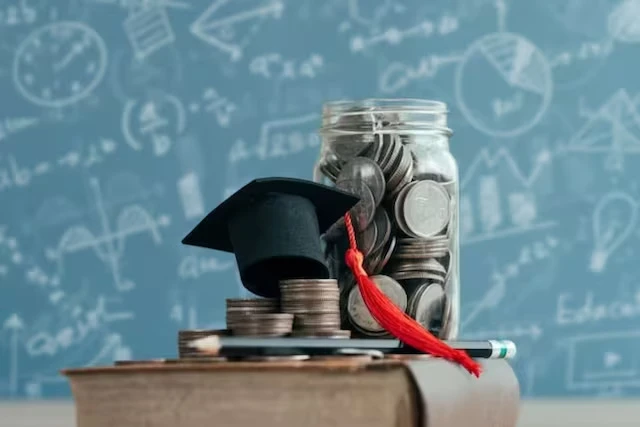
How Does Inflation Affect Education Costs?
Inflation affects nearly every part of the economy, and education is no exception. When the prices of goods and services rise over time, schools, universities, students, and families all feel the impact. Education costs can increase because institutions face higher expenses for salaries, buildings, technology, supplies, and everyday operations. At the same time, students and families may struggle to afford tuition, textbooks, housing, and other education-related expenses.
Understanding the connection between inflation and education costs helps explain why education can become more expensive and why governments, schools, and individuals must adapt.
Rising Operating Costs for Schools and Universities
One of the main ways inflation affects education costs is by increasing the expenses faced by educational institutions. Schools and universities must pay for a wide range of resources, including:
-
Teacher and staff salaries
-
Classroom materials
-
Technology and software
-
Building maintenance
-
Utilities such as electricity and heating
-
Transportation services
-
Food services
When inflation causes the prices of these goods and services to rise, schools often need additional funding to maintain the same level of quality. Public schools may require larger government budgets, while private schools and universities may increase tuition fees to cover higher expenses.
For example, if energy prices rise, universities with large campuses may spend significantly more on heating, cooling, and electricity. These higher operating costs can eventually be reflected in student fees.
Impact on Tuition Fees
Tuition is one of the most visible ways inflation affects education costs. Colleges and universities often increase tuition prices when their own expenses rise. While tuition increases can happen for many reasons, inflation is a major factor.
Higher education institutions need enough revenue to attract qualified professors, maintain facilities, invest in research, and provide student services. When inflation reduces the purchasing power of existing funds, schools may raise tuition to keep up with increasing costs.
For students and families, this means paying more for the same educational experience. Even moderate annual increases can add up significantly over several years of study.
Higher Costs for Textbooks and Learning Materials
Inflation also affects the cost of educational supplies. Textbooks, computers, laboratory equipment, and other learning materials can become more expensive as production, transportation, and manufacturing costs increase.
Students may respond by purchasing used books, renting textbooks, sharing materials, or relying more on digital resources. While online materials can sometimes reduce expenses, technology costs may also rise due to inflation.
For younger students, families may face higher costs for school supplies, uniforms, backpacks, and extracurricular activities. These expenses can place additional pressure on household budgets.
Increased Living Costs for Students
For many students, education costs involve more than tuition and supplies. Housing, food, transportation, and healthcare are also major expenses, especially for college and university students.
Inflation can make student life more expensive in several ways:
-
Rent increases can make campus housing or nearby apartments less affordable.
-
Food price increases raise the cost of meal plans and groceries.
-
Transportation costs can increase due to higher fuel and maintenance expenses.
-
Healthcare costs may rise, affecting students who need medical services.
As living expenses increase, students may need to work more hours while studying or take on additional loans to cover their costs.
Effect on Student Loans and Debt
Inflation can influence student debt in different ways. When education costs rise, students may need to borrow more money to complete their studies. Larger loans can create a greater financial burden after graduation.
Interest rates also play an important role. Central banks often raise interest rates to control high inflation. Higher interest rates can make borrowing more expensive, depending on the type of student loan and the terms involved.
However, inflation can have mixed effects on existing fixed-rate loans. If borrowers repay loans with fixed payments, inflation may reduce the real value of those payments over time because money loses purchasing power. Still, the overall increase in education costs can lead many students to accumulate more debt in the first place.
Impact on Teachers and Education Workers
Inflation affects educators as well. Teachers, professors, and school employees face higher costs for housing, food, transportation, and other necessities. If their wages do not rise at the same pace as inflation, their purchasing power decreases.
Schools may need to increase salaries to attract and retain qualified teachers. Higher labor costs can contribute to increased education budgets and, in some cases, higher tuition or fees.
If institutions cannot afford competitive salaries, they may face staff shortages, larger class sizes, or reduced services, which can affect the quality of education.
Unequal Effects on Students and Families
Inflation does not affect everyone equally. Families with lower incomes often experience greater difficulties because a larger share of their income goes toward essential expenses such as food, housing, and transportation.
When education costs rise, wealthier families may have more options, such as private tutoring, savings, or financial support for college. Lower-income students may have fewer resources and may rely more heavily on financial aid or loans.
This can increase educational inequality by making it harder for some students to access higher-quality schools or complete their education.
How Schools and Students Can Respond
Educational institutions and students use several strategies to manage inflation-related cost increases.
Schools may:
-
Improve budgeting and reduce unnecessary expenses
-
Expand online learning options
-
Invest in energy-efficient technology
-
Seek additional government or private funding
-
Offer more financial aid programs
Students and families may:
-
Apply for scholarships and grants
-
Compare education options carefully
-
Use affordable learning resources
-
Plan savings strategies earlier
-
Consider community colleges or lower-cost programs
These approaches can help reduce the financial pressure caused by rising prices.
The Role of Government Policy
Governments play an important role in limiting the effects of inflation on education. Public funding for schools, student assistance programs, and policies that support affordable education can help reduce the burden on families.
During periods of high inflation, governments may increase education funding, expand financial aid, or introduce programs designed to make education more accessible. However, balancing education spending with other economic priorities can be challenging.
Long-term solutions often require addressing both education costs and broader economic issues that contribute to inflation.
Conclusion
Inflation affects education costs by increasing the price of running schools, paying educators, purchasing materials, and supporting students’ daily needs. As expenses rise, schools may increase tuition and fees, while families may struggle with higher costs for supplies, housing, and transportation.
The effects of inflation on education are complex because they involve institutions, governments, students, and the wider economy. While inflation cannot always be avoided, careful financial planning, effective policies, and efforts to improve efficiency can help make education more affordable.
Ultimately, managing the relationship between inflation and education costs is essential for ensuring that students continue to have access to quality learning opportunities.
- Arts
- Business
- Computers
- Games
- Health
- Home
- Kids and Teens
- Money
- News
- Personal Development
- Recreation
- Regional
- Reference
- Science
- Shopping
- Society
- Sports
- Бизнес
- Деньги
- Дом
- Досуг
- Здоровье
- Игры
- Искусство
- Источники информации
- Компьютеры
- Личное развитие
- Наука
- Новости и СМИ
- Общество
- Покупки
- Спорт
- Страны и регионы
- World

 Russian
 French
 Spanish
 Portuguese
 Deutsch
 Turkish
 Dutch
Dutch
 Italiano
 Arabic
 Romaian
 Portuguese (Brazil)
 Greek
Greek
