
Why are gas prices rising?
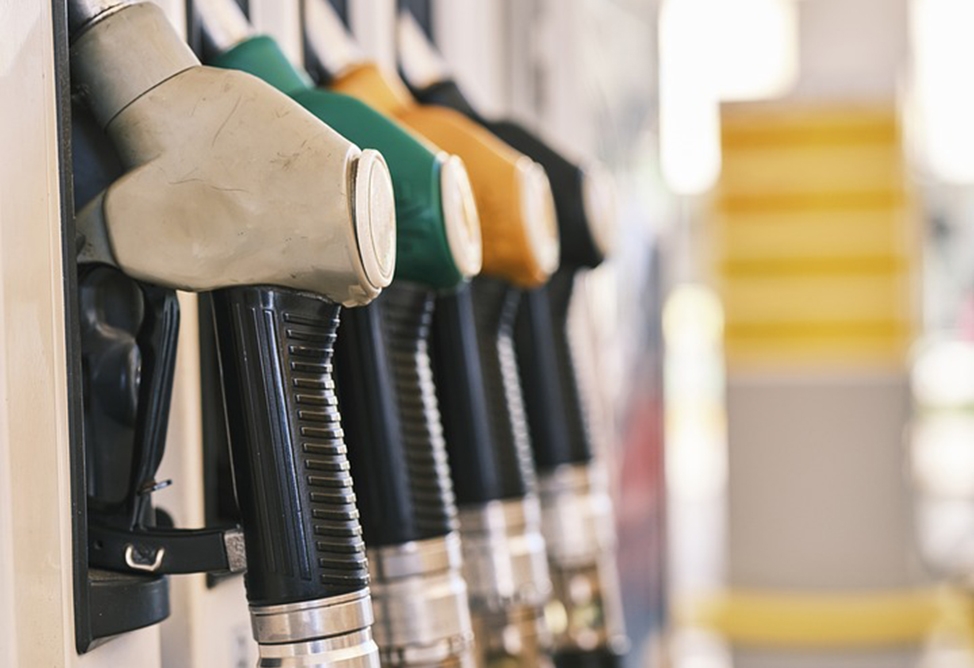
Why Are Gas Prices Rising?
Gas prices are a major concern for households, businesses, and governments because fuel affects the cost of transportation, goods, and everyday life. When gasoline prices rise, drivers often feel the impact immediately at the pump, but the effects spread throughout the economy. Higher fuel costs can increase the price of groceries, travel, shipping, and many other products and services.
Gas prices are influenced by a combination of global oil markets, supply and demand, geopolitical events, production decisions, taxes, and economic conditions. Understanding why gas prices rise requires looking at the many factors that determine the cost of turning crude oil into fuel and delivering it to consumers.
1. Rising Crude Oil Prices
The biggest factor behind gasoline prices is the cost of crude oil. Gasoline is made from crude oil, so when oil becomes more expensive, fuel prices usually increase as well.
Crude oil prices are determined by global markets. Since oil is traded internationally, events in one region can affect fuel costs around the world. If major oil producers reduce output, the available supply of oil decreases. When supply falls while demand remains strong, prices tend to rise.
For example, decisions made by major oil-producing countries through organizations such as the Organization of the Petroleum Exporting Countries (OPEC) can influence global oil supplies. Production cuts are sometimes used to support oil prices by limiting the amount of oil available on the market.
Because crude oil makes up a large portion of the cost of gasoline, even small changes in oil prices can have a noticeable effect on what consumers pay.
2. Supply and Demand Changes
Like many goods, gas prices are affected by supply and demand. When demand for gasoline increases faster than supply, prices generally rise.
Demand often increases during certain times of the year. For example, summer months typically bring more driving because of vacations, road trips, and increased travel. This seasonal increase in demand can put upward pressure on gasoline prices.
Economic growth can also raise fuel demand. When businesses produce more goods, people travel more, and transportation activity increases, more fuel is needed. If oil producers and refineries cannot quickly increase supply, prices may climb.
On the other hand, demand can fall during economic slowdowns, which may reduce pressure on prices. However, supply disruptions can still cause prices to rise even when demand is weaker.
3. Geopolitical Conflicts and Global Uncertainty
Political events and conflicts can have a significant impact on energy markets. Oil production and transportation often depend on stable international relationships, and disruptions can create fears of future shortages.
Wars, sanctions, political instability, and disputes in oil-producing regions can reduce oil supplies or create uncertainty about future availability. Even if actual supply does not immediately decline, markets may react to the possibility of disruption by pushing prices higher.
Because oil is a global commodity, a conflict in one part of the world can influence gas prices far away. Investors and energy companies often respond quickly to news that could affect future oil production or transportation.
4. Refinery Problems and Limited Fuel Production
Crude oil must be processed in refineries before it becomes gasoline. Refinery capacity and efficiency play an important role in determining fuel prices.
If refineries experience unexpected shutdowns because of maintenance, equipment failures, natural disasters, or other problems, gasoline supplies can decrease. A smaller supply of finished fuel can lead to higher prices.
Refineries also require time to switch between different fuel blends. In some regions, environmental regulations require specific gasoline formulas during different seasons. These changes can temporarily affect supply and contribute to price increases.
Even when crude oil prices are stable, problems at refineries can cause gasoline prices to rise.
5. Higher Production and Transportation Costs
The cost of producing and delivering gasoline affects the final price consumers pay. Energy companies face expenses related to drilling, extracting oil, refining fuel, transporting it, and storing it.
If costs increase due to higher wages, equipment prices, energy costs, or transportation expenses, companies may pass some of those costs on to consumers.
Fuel must also be transported through pipelines, ships, trains, and trucks before reaching gas stations. Disruptions in transportation networks or increases in shipping costs can contribute to higher prices.
6. Inflation and Rising Business Costs
Inflation can make gasoline more expensive by increasing the cost of many parts of the fuel supply chain. When the prices of equipment, labor, transportation, and services rise, producing and distributing fuel becomes more expensive.
Inflation can also affect consumer behavior. When the overall cost of living rises, people may have less money available for other expenses, but fuel remains a necessity for many workers and businesses.
In some cases, gas prices can contribute to inflation because transportation costs affect nearly every industry. When companies pay more for fuel, they may increase prices for goods and services to cover their higher expenses.
7. Taxes and Government Policies
Taxes are another factor that influences gasoline prices. Governments often apply fuel taxes at the national, regional, or local level. These taxes help fund transportation infrastructure, public services, and environmental programs.
Changes in fuel taxes can directly affect the price drivers pay at the pump. Regulations and energy policies can also influence costs by affecting production, refining standards, and fuel requirements.
Different countries and regions have different approaches to fuel taxation and energy policy, which is why gas prices can vary significantly from one place to another.
8. Currency Exchange Rates
Because oil is usually traded in U.S. dollars, exchange rates can affect gasoline prices in countries that use other currencies.
If a country’s currency becomes weaker compared with the dollar, importing oil may become more expensive. Even if the global price of crude oil remains unchanged, consumers in that country may pay more for gasoline.
Currency fluctuations are especially important for countries that rely heavily on imported oil.
9. Natural Disasters and Weather Events
Weather can disrupt energy production and transportation. Hurricanes, storms, floods, and extreme weather can damage oil facilities, interrupt refinery operations, or delay fuel deliveries.
For example, major storms can temporarily shut down offshore oil production or refineries in affected areas. Even short-term disruptions can create concerns about fuel shortages and push prices higher.
Weather also affects seasonal fuel demand. Extremely hot or cold conditions can increase energy use and influence fuel markets.
10. Long-Term Changes in Energy Markets
Long-term trends in energy production and consumption can also affect gasoline prices. Changes in oil investment, new technology, electric vehicle adoption, and environmental policies influence future demand for petroleum products.
If oil companies reduce investment in new production, future supply growth may slow. At the same time, rising demand from growing economies can increase pressure on available resources.
The transition toward alternative energy sources may also create uncertainty in energy markets as producers and governments adjust their strategies.
How Rising Gas Prices Affect the Economy
Higher gas prices affect more than just drivers. Transportation is a key part of almost every industry, so rising fuel costs can increase expenses for businesses.
Shipping companies may pay more to transport goods, farmers may face higher costs for machinery and transportation, and manufacturers may spend more on logistics. These increased costs can eventually lead to higher prices for consumers.
For households, expensive gasoline can reduce money available for other purchases. People may cut back on entertainment, travel, or non-essential spending when more of their income goes toward fuel.
Can Gas Prices Go Down Again?
Gas prices can fall when supply increases, demand decreases, or global conditions become more stable. Lower crude oil prices, improved refinery operations, increased production, or reduced transportation costs can all contribute to lower fuel prices.
However, predicting gas prices is difficult because many factors interact at the same time. A drop in one factor, such as lower oil prices, may be offset by another, such as increased demand or higher production costs.
Conclusion
Gas prices rise because of a complex combination of global oil prices, supply and demand, geopolitical events, refinery conditions, inflation, taxes, and transportation costs. Since oil is a globally traded resource, events far from where consumers live can influence the price they pay at the pump.
While governments and businesses can take steps to improve energy stability and reduce dependence on volatile markets, gas prices will continue to be influenced by global economic and political conditions. Understanding these factors helps explain why fuel prices change and why they can sometimes rise quickly.
- Arts
- Business
- Computers
- Jocuri
- Health
- Home
- Kids and Teens
- Money
- News
- Personal Development
- Recreation
- Regional
- Reference
- Science
- Shopping
- Society
- Sports
- Бизнес
- Деньги
- Дом
- Досуг
- Здоровье
- Игры
- Искусство
- Источники информации
- Компьютеры
- Личное развитие
- Наука
- Новости и СМИ
- Общество
- Покупки
- Спорт
- Страны и регионы
- World

 English
 Russian
 French
 Spanish
 Portuguese
 Deutsch
 Turkish
 Dutch
Dutch
 Italiano
 Arabic
 Portuguese (Brazil)
 Greek
Greek
