
Inflation examples
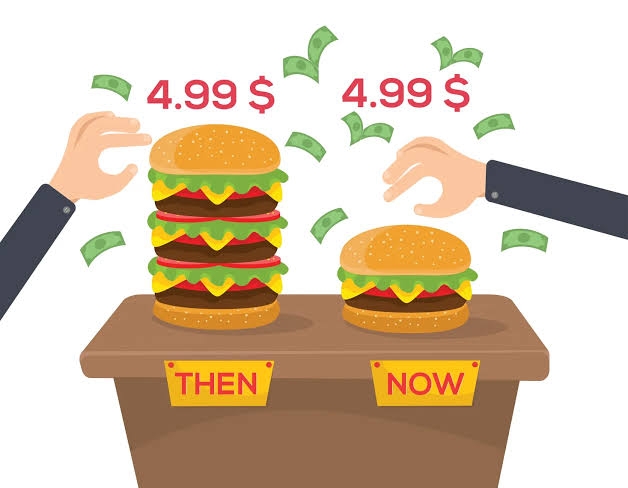
Inflation Examples: Understanding How Inflation Affects Everyday Life
Inflation is one of the most important economic concepts because it affects nearly everyone. It refers to the general increase in the prices of goods and services over time, which reduces the purchasing power of money. In simple terms, if inflation rises, the same amount of money buys fewer products than it did before.
While the definition is straightforward, understanding inflation becomes much easier when you look at real-world examples. This article explores various examples of inflation in everyday life, different types of inflation, and the factors that cause prices to rise.
What Is Inflation?
Inflation is measured as the percentage increase in the average price level of goods and services over a specific period, usually one year. Moderate inflation is considered a normal part of a growing economy, but high inflation can reduce living standards and create financial uncertainty.
For example, if the annual inflation rate is 5%, an item that costs $100 today would cost approximately $105 next year.
Everyday Examples of Inflation
1. Grocery Prices Increase
One of the easiest ways to notice inflation is during grocery shopping.
Example:
-
A loaf of bread costs $2.00 in 2025.
-
One year later, the same loaf costs $2.20.
Although the increase seems small, similar price hikes across hundreds of products significantly affect household budgets.
2. Gasoline Becomes More Expensive
Fuel prices often rise because of higher crude oil prices, supply shortages, or increased demand.
Example:
-
Gasoline costs $3.20 per gallon.
-
Six months later, it rises to $3.70 per gallon.
As transportation becomes more expensive, businesses may increase the prices of products they deliver, creating additional inflation.
3. Housing Costs Rise
Housing is another major area affected by inflation.
Example:
-
Monthly rent for an apartment is $1,200.
-
The following year, the landlord raises rent to $1,300.
Similarly, higher prices for construction materials can increase home prices.
4. Restaurant Meals Cost More
Restaurants experience inflation through higher food, labor, and utility costs.
Example:
-
A burger meal costs $12.
-
One year later, the same meal costs $13.50.
Businesses often pass increased operating costs on to customers.
5. Public Transportation Fare Increases
Transportation providers may increase fares to offset higher fuel and maintenance costs.
Example:
-
A subway ticket costs $2.50.
-
After inflation, it increases to $2.75.
Although the difference is only 25 cents, frequent commuters notice the higher monthly expense.
Historical Examples of Inflation
The United States in the Early 2020s
Following supply chain disruptions, increased consumer demand, and rising energy prices, inflation accelerated in many countries. Consumers experienced noticeable increases in food, housing, automobiles, and fuel costs.
Germany's Hyperinflation (1923)
One of history's most famous examples of extreme inflation occurred in Germany after World War I.
Prices rose so quickly that:
-
Workers were paid several times a day.
-
People carried money in wheelbarrows.
-
Prices sometimes doubled within days.
This is an example of hyperinflation, where inflation becomes uncontrollable.
Zimbabwe (Late 2000s)
Zimbabwe experienced one of the highest inflation rates ever recorded.
Examples included:
-
Bread prices increasing several times in one day.
-
Extremely high-denomination banknotes becoming nearly worthless.
-
Citizens using foreign currencies instead of local money.
Types of Inflation with Examples
Demand-Pull Inflation
Demand-pull inflation occurs when demand exceeds supply.
Example:
A new smartphone launches, but only a limited number are available. Consumers compete to buy it, allowing retailers to increase prices.
Cost-Push Inflation
Cost-push inflation happens when production costs rise.
Example:
A furniture manufacturer pays more for wood and shipping. To maintain profits, it raises furniture prices.
Built-In Inflation
Built-in inflation occurs when workers receive higher wages and businesses increase prices to cover those costs.
Example:
Employees receive a 5% salary increase. Businesses respond by raising product prices, contributing to further inflation.
Examples of Inflation in Different Industries
Healthcare
Medical costs often rise because of expensive equipment, medicines, and labor.
Example:
A doctor's consultation increases from $80 to $90.
Education
Tuition fees frequently increase over time.
Example:
University tuition rises from $10,000 to $10,600 annually.
Technology
Although technology products sometimes become cheaper due to innovation, premium devices often increase in price.
Example:
A flagship smartphone costs $900 one year and $980 the next.
Entertainment
Streaming services, concert tickets, and sporting events also experience inflation.
Example:
A movie ticket rises from $12 to $14.
Inflation's Effect on Savings
Inflation reduces the value of money kept in cash.
Example:
Suppose you save $1,000 under your mattress for five years while inflation averages 4% annually.
Although you still have $1,000, it buys fewer goods than it did when you first saved it.
This is why many people invest their savings to try to outpace inflation.
Inflation and Salary Example
Imagine an employee receives a 2% raise while inflation is 6%.
-
Current salary: $50,000
-
New salary: $51,000
Although the employee earns more money, their purchasing power has declined because prices increased faster than their income.
Positive Example of Moderate Inflation
Not all inflation is harmful.
A moderate inflation rate of around 2% can encourage:
-
Consumer spending
-
Business investment
-
Job creation
-
Economic growth
When people expect prices to rise gradually, they are more likely to purchase goods now rather than postpone spending.
How Consumers Can Respond to Inflation
People can reduce the impact of inflation by:
-
Creating a monthly budget.
-
Comparing prices before purchasing.
-
Buying in bulk when appropriate.
-
Reducing unnecessary expenses.
-
Building an emergency fund.
-
Investing for long-term growth.
-
Paying off high-interest debt.
These strategies cannot eliminate inflation, but they can help households manage rising costs more effectively.
Conclusion
Inflation affects nearly every aspect of daily life, from grocery shopping and transportation to housing, healthcare, and entertainment. Everyday examples—such as paying more for food, fuel, or rent—show how inflation gradually reduces purchasing power. Historical events like Germany's hyperinflation and Zimbabwe's economic crisis demonstrate the severe consequences of uncontrolled inflation, while moderate inflation is often a normal feature of a healthy economy.
By understanding real-world examples of inflation and the forces behind rising prices, individuals can make more informed financial decisions, protect their purchasing power, and better prepare for changes in the economy.
- Arts
- Business
- Computers
- Игры
- Health
- Главная
- Kids and Teens
- Деньги
- News
- Personal Development
- Recreation
- Regional
- Reference
- Science
- Shopping
- Society
- Sports
- Бизнес
- Деньги
- Дом
- Досуг
- Здоровье
- Игры
- Искусство
- Источники информации
- Компьютеры
- Личное развитие
- Наука
- Новости и СМИ
- Общество
- Покупки
- Спорт
- Страны и регионы
- World

 English
 French
 Spanish
 Portuguese
 Deutsch
 Turkish
 Dutch
Dutch
 Italiano
 Arabic
 Romaian
 Portuguese (Brazil)
 Greek
Greek
