
What is interest?
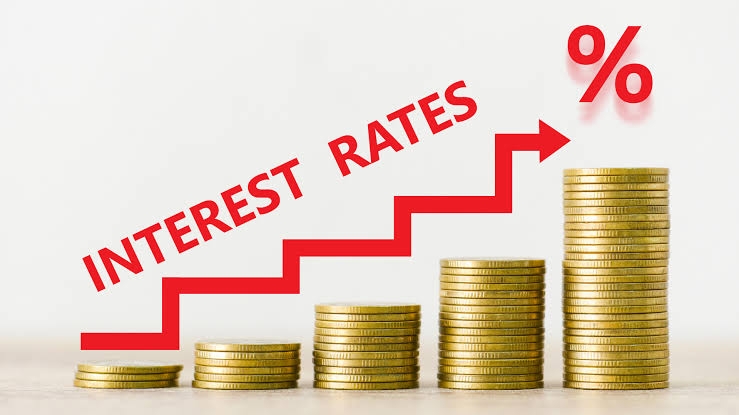
What Is Interest?
Interest is a fundamental concept in finance and economics that affects almost every aspect of modern life. Whether a person saves money in a bank account, takes out a loan, buys a home with a mortgage, or invests in financial markets, interest plays an important role. In simple terms, interest is the cost of borrowing money or the reward for saving and lending money.
When someone borrows money, they usually pay back more than the original amount received. The extra amount paid is called interest. When someone saves or lends money, they earn interest as compensation for allowing others to use their funds.
Meaning of Interest
Interest can be defined as the percentage charge paid by a borrower to a lender for the use of money over a specific period. It is usually expressed as a percentage called the interest rate.
For example, if a bank lends a person $1,000 at an annual interest rate of 5%, the borrower must pay the bank $50 in interest after one year, in addition to repaying the original $1,000.
Interest exists because money has value over time. A person who lends money gives up the opportunity to use that money immediately, so interest compensates them for waiting and for taking the risk that the borrower may not repay.
Why Does Interest Exist?
Interest exists because of three major economic reasons:
1. Time Value of Money
The idea of the time value of money states that money available today is worth more than the same amount in the future. This is because money today can be invested, saved, or used to generate additional value.
For example, receiving $1,000 today is generally more valuable than receiving $1,000 five years from now because the money received today could earn interest during those five years.
2. Risk Compensation
Lending money involves risk. A borrower may fail to repay the loan due to financial difficulties or other reasons. Interest compensates lenders for taking this risk.
Generally, borrowers with higher risks are charged higher interest rates because lenders require greater compensation for the possibility of losing money.
3. Opportunity Cost
When a person lends money, they cannot use that money for other purposes. Interest compensates them for the opportunities they give up by lending their funds.
Types of Interest
There are several types of interest used in financial transactions. The most common types are simple interest and compound interest.
Simple Interest
Simple interest is calculated only on the original amount of money borrowed or invested, known as the principal.
The formula for simple interest is:
Simple Interest = Principal × Interest Rate × Time
For example, if someone invests $2,000 at an annual interest rate of 4% for three years:
Interest = $2,000 × 0.04 × 3 = $240
The total amount after three years would be:
$2,000 + $240 = $2,240
Simple interest is easy to calculate but is less common in many modern financial products.
Compound Interest
Compound interest is interest calculated on both the original principal and the accumulated interest from previous periods. It allows money to grow faster because interest earns additional interest.
genui{"finance_accounting_operations_learning_block":{"type_id":"COMPOUND_INTEREST","content":"FV=PV(1+r)^n"}}
For example, if $1,000 is invested at a 5% annual interest rate, the first year's interest is $50. In the second year, interest is calculated on $1,050 instead of just the original $1,000. Over long periods, compound interest can significantly increase savings.
Compound interest is commonly used in savings accounts, investments, retirement plans, and loans.
Interest Rates
An interest rate is the percentage charged or earned on money over a specific period, usually one year. Interest rates are influenced by many economic factors, including inflation, central bank policies, market conditions, and the level of risk involved.
Common types of interest rates include:
Fixed Interest Rate
A fixed interest rate remains unchanged throughout the loan or investment period. Borrowers benefit from predictable payments because the interest cost does not change.
For example, a fixed-rate mortgage keeps the same interest rate for the entire loan term.
Variable Interest Rate
A variable interest rate changes over time based on market conditions or a reference rate. While borrowers may benefit from lower rates when markets decline, payments can increase when rates rise.
Annual Percentage Rate (APR)
APR represents the yearly cost of borrowing money, including the interest rate and sometimes additional fees. It helps consumers compare different loan offers more accurately.
Interest in Borrowing
Interest is a major part of loans and credit systems. Banks and financial institutions charge interest when they lend money because lending involves administrative costs, risks, and the loss of alternative uses for their funds.
Examples of borrowing that involve interest include:
-
Personal loans
-
Credit cards
-
Student loans
-
Car loans
-
Mortgages
-
Business loans
For borrowers, interest increases the total cost of repayment. A loan with a higher interest rate will generally require larger payments over time.
Interest in Saving and Investing
Interest is also a way for people to earn money from their savings. Banks pay interest to customers who deposit money because banks use those funds to provide loans and other financial services.
Investors may also earn returns through interest-bearing assets such as:
-
Savings accounts
-
Certificates of deposit (CDs)
-
Government bonds
-
Corporate bonds
Interest income can help individuals build wealth over time, especially when combined with compound growth.
The Role of Interest in the Economy
Interest rates influence economic activity. Central banks use interest rates as a tool to manage inflation and economic growth.
When interest rates are low:
-
Borrowing becomes cheaper.
-
Businesses may invest more.
-
Consumers may spend more.
-
Economic activity can increase.
When interest rates are high:
-
Borrowing becomes more expensive.
-
Consumers and businesses may reduce spending.
-
Inflation may slow down.
Because of this, interest rates are closely monitored by governments, businesses, investors, and consumers.
Factors Affecting Interest Rates
Several factors influence interest rates:
Inflation
Inflation reduces the purchasing power of money over time. Lenders often demand higher interest rates to protect the value of their money.
Supply and Demand for Money
When demand for loans is high, interest rates may increase. When there is more available money for lending, rates may decrease.
Central Bank Policies
Central banks influence interest rates by adjusting key rates that affect borrowing costs throughout the economy.
Credit Risk
Borrowers with poor credit histories usually pay higher interest rates because lenders consider them more likely to default.
Advantages and Disadvantages of Interest
Interest has both benefits and drawbacks.
Advantages
-
Encourages people to save and invest.
-
Provides lenders with compensation for risk.
-
Helps financial institutions provide loans.
-
Supports economic growth by allowing businesses and individuals to access funds.
Disadvantages
-
Increases the cost of borrowing.
-
Can create financial difficulties when debt becomes excessive.
-
High interest rates may reduce spending and investment.
Importance of Understanding Interest
Understanding interest is essential for making good financial decisions. People who understand how interest works can better evaluate loans, savings accounts, credit cards, and investments.
For example, knowing the difference between simple and compound interest helps individuals understand how their money grows or how quickly debt can increase.
Conclusion
Interest is a key concept in finance that represents the cost of using money over time. It rewards savers and lenders while charging borrowers for accessing funds. Through mechanisms such as simple interest, compound interest, and interest rates, it influences personal finances and the broader economy.
A clear understanding of interest helps individuals make smarter decisions about borrowing, saving, and investing. Since interest affects everything from everyday purchases to long-term financial planning, it remains one of the most important concepts in modern economics.
- Arts
- Business
- Computers
- Spellen
- Health
- Home
- Kids and Teens
- Money
- News
- Personal Development
- Recreation
- Regional
- Reference
- Science
- Shopping
- Society
- Sports
- Бизнес
- Деньги
- Дом
- Досуг
- Здоровье
- Игры
- Искусство
- Источники информации
- Компьютеры
- Личное развитие
- Наука
- Новости и СМИ
- Общество
- Покупки
- Спорт
- Страны и регионы
- World

 English
 Russian
 French
 Spanish
 Portuguese
 Deutsch
 Turkish
 Italiano
 Arabic
 Romaian
 Portuguese (Brazil)
 Greek
Greek
