
Which savings account has the highest interest rate?
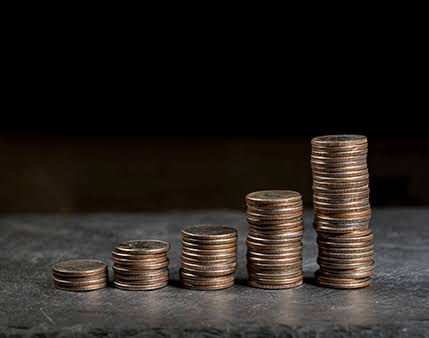
Which Savings Account Has the Highest Interest Rate?
If you're looking to grow your money with minimal risk, a high-interest savings account is one of the best places to start. However, there isn't a single savings account that always offers the highest interest rate. Rates vary by bank, country, account type, and market conditions, meaning the best choice today may not be the best choice a few months from now.
This guide explains which savings accounts typically offer the highest rates, what affects those rates, and how to choose the right account for your financial goals.
Which Savings Accounts Usually Offer the Highest Interest Rates?
In most markets, the highest interest rates are typically found in:
-
High-yield savings accounts (HYSAs) offered by online banks.
-
Money market accounts with competitive rates.
-
Promotional savings accounts that offer introductory rates for new customers.
-
Certificate of Deposit (CD) accounts or fixed-term savings accounts, if you're willing to lock your money away for a set period.
Among these, high-yield savings accounts are often the best balance of accessibility and competitive returns.
Why Online Banks Often Pay More
Online banks generally have lower operating costs than traditional banks because they don't maintain large branch networks. They often pass these savings on to customers through:
-
Higher annual percentage yields (APYs)
-
Lower fees
-
Lower minimum balance requirements
As a result, online banks frequently outperform brick-and-mortar banks when it comes to savings rates.
Factors That Affect Savings Interest Rates
Several factors determine how much interest a savings account pays.
Central Bank Interest Rates
When central banks raise benchmark interest rates, commercial banks often increase savings rates. When benchmark rates fall, savings yields usually decline as well.
Bank Competition
Banks competing for deposits may offer higher interest rates to attract new customers.
Account Requirements
Some high-interest accounts require you to:
-
Maintain a minimum balance
-
Deposit a certain amount each month
-
Make regular transactions
-
Link another banking product
Failing to meet these requirements may reduce your interest rate.
Promotional Offers
Many banks advertise attractive introductory rates that expire after several months. Always check the ongoing rate before opening an account.
Types of Savings Accounts
High-Yield Savings Account
Best for:
-
Emergency funds
-
Short-term savings
-
Everyday cash reserves
Pros:
-
Competitive interest rates
-
Easy access to funds
-
Low risk
Cons:
-
Rates change over time
-
Withdrawal limits may apply
Money Market Account
Best for:
-
Larger balances
-
People who want limited check-writing privileges
Pros:
-
Higher rates than many standard savings accounts
-
Flexible access
Cons:
-
Higher minimum balances
-
Possible monthly fees
Fixed-Term Savings (Certificates of Deposit)
Best for:
-
Money you won't need immediately
Pros:
-
Guaranteed interest rate
-
Often higher returns
Cons:
-
Early withdrawal penalties
-
Less flexibility
Traditional Savings Account
Best for:
-
Everyday banking relationships
Pros:
-
Widely available
-
Easy to open
Cons:
-
Usually lower interest rates
Features to Compare Beyond Interest Rate
The highest advertised rate isn't always the best deal. Compare these features as well:
-
Annual Percentage Yield (APY)
-
Monthly maintenance fees
-
Minimum opening deposit
-
Minimum balance requirements
-
Withdrawal limits
-
Mobile banking features
-
Customer service
-
Deposit insurance
-
Ease of transferring funds
A slightly lower rate with no fees can often leave you with more money overall.
Understanding APY
When comparing savings accounts, focus on the Annual Percentage Yield (APY) rather than the simple interest rate.
APY includes the effects of compound interest, making it a better measure of your actual earnings.
The Power of Compound Interest
Savings grow faster because interest is earned on both your original deposit and previously earned interest.
The more frequently interest compounds, the faster your savings can grow over time.
Tips for Finding the Highest Savings Rates
Before opening an account:
-
Compare APYs across several banks.
-
Read the account terms carefully.
-
Watch for temporary promotional rates.
-
Check for monthly fees.
-
Verify that deposits are protected by your country's deposit insurance program.
-
Review customer ratings and mobile banking features.
-
Confirm how often interest compounds.
Checking rates every few months can help ensure you're still earning a competitive return.
Is Chasing the Highest Rate Worth It?
Sometimes—but not always.
If one account pays significantly more than another without charging fees or imposing strict requirements, switching may make sense.
However, if the difference is very small, factors like convenience, customer service, mobile banking, and account features may matter more than a slight increase in interest.
Who Should Choose a High-Yield Savings Account?
A high-yield savings account is ideal for:
-
Building an emergency fund
-
Saving for a vacation
-
Setting aside a house down payment
-
Keeping cash while earning interest
-
Short-term financial goals
It may not be the best option for long-term investing, where investments such as diversified stock portfolios have historically offered higher returns, albeit with greater risk.
Final Thoughts
There is no permanent answer to the question, "Which savings account has the highest interest rate?" The highest-paying account changes frequently as banks adjust their rates and introduce new promotions.
For most savers, high-yield savings accounts from reputable online banks consistently offer some of the best returns while keeping funds accessible and secure. Before opening an account, compare APYs, fees, balance requirements, and account features rather than focusing solely on the advertised interest rate.
By reviewing your options regularly and choosing an account that fits your financial needs, you can maximize the growth of your savings while maintaining easy access to your money.
- Arts
- Business
- Computers
- Games
- Health
- Home
- Kids and Teens
- Money
- News
- Personal Development
- Recreation
- Regional
- Reference
- Science
- Shopping
- Society
- Sports
- Бизнес
- Деньги
- Дом
- Досуг
- Здоровье
- Игры
- Искусство
- Источники информации
- Компьютеры
- Личное развитие
- Наука
- Новости и СМИ
- Общество
- Покупки
- Спорт
- Страны и регионы
- World

 Russian
 French
 Spanish
 Portuguese
 Deutsch
 Turkish
 Dutch
Dutch
 Italiano
 Arabic
 Romaian
 Portuguese (Brazil)
 Greek
Greek
