
How does credit card interest work?
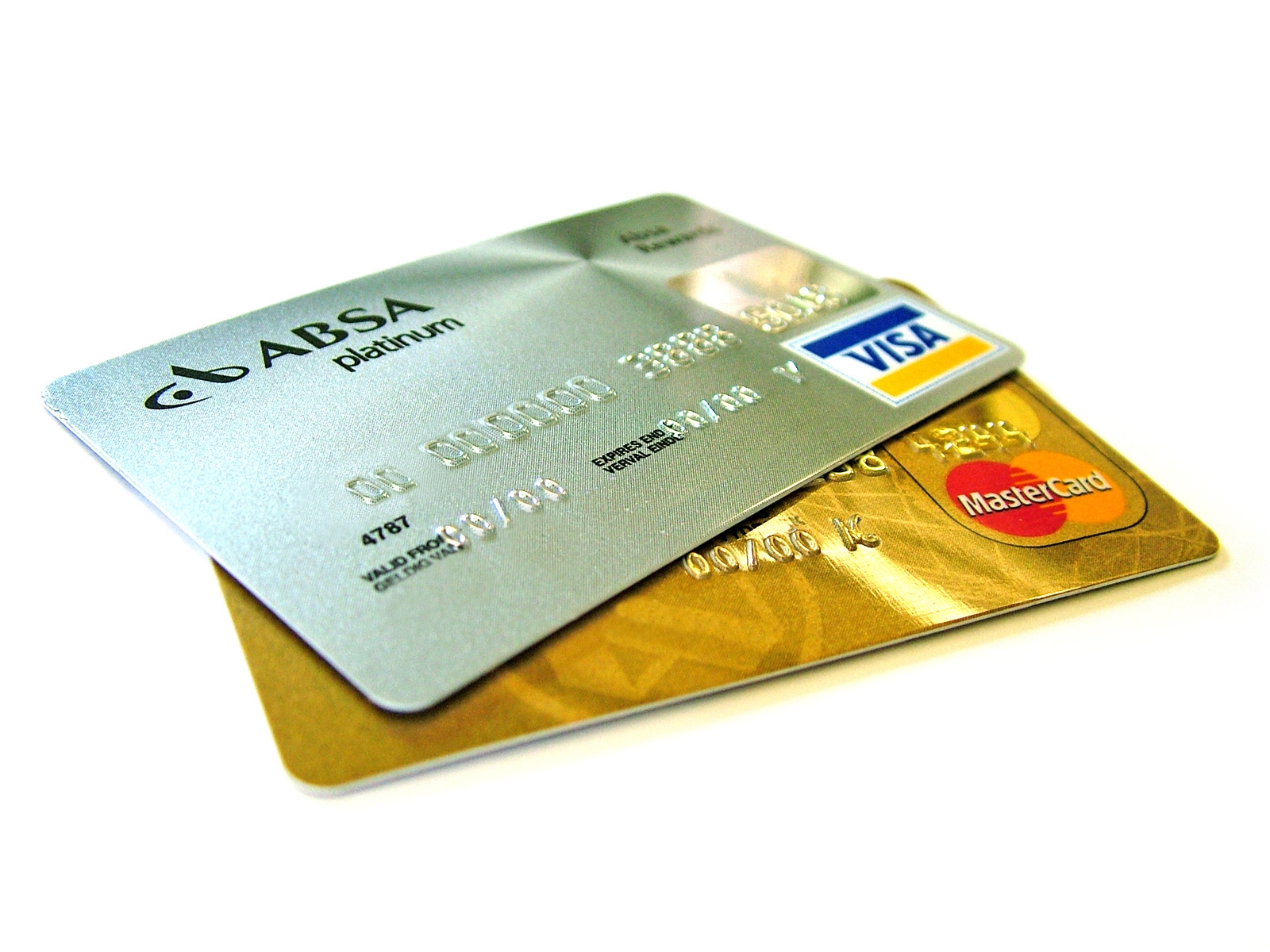
How Does Credit Card Interest Work?
Credit cards are convenient financial tools, but they can become expensive if you carry a balance from month to month. Understanding how credit card interest works can help you avoid unnecessary charges, reduce debt faster, and make smarter financial decisions.
What Is Credit Card Interest?
Credit card interest is the cost of borrowing money from your credit card issuer. When you use your card to make purchases, the issuer pays the merchant on your behalf. If you don't repay your full balance by the due date, the issuer charges interest on the unpaid amount.
Interest is expressed as an Annual Percentage Rate (APR). For example, if your credit card has a 20% APR, that's the yearly interest rate applied to your balance. However, credit card interest is usually calculated daily, not annually.
When Do You Pay Interest?
You typically won't pay interest on purchases if you:
-
Pay your statement balance in full by the due date every month.
-
Stay within your card's grace period, which is the time between the statement closing date and the payment due date.
You will generally pay interest if you:
-
Carry a balance after the payment due date.
-
Make only the minimum payment.
-
Take out a cash advance (interest often begins immediately).
-
Complete a balance transfer after any promotional period expires.
How Is Credit Card Interest Calculated?
Most credit card companies calculate interest using the average daily balance method.
Here's a simplified process:
-
Convert the APR into a daily periodic rate by dividing it by 365.
-
Multiply the daily rate by your outstanding balance.
-
Repeat this calculation each day of the billing cycle.
-
Add the daily interest charges together to determine the total interest for the month.
For example:
-
Balance: $2,000
-
APR: 18%
-
Daily rate: 18% ÷ 365 = 0.0493%
Daily interest:
$2,000 × 0.000493 ≈ $0.99
Over a 30-day billing cycle, the interest would be approximately:
$0.99 × 30 = $29.70
Because interest is calculated daily, your actual charge changes if your balance increases or decreases during the month.
Understanding the Grace Period
A grace period allows you to avoid interest on new purchases by paying your entire statement balance before the due date.
However, if you carry a balance from one month to the next, many credit card issuers remove the grace period. That means new purchases may begin accumulating interest immediately until you pay off the balance in full.
Always check your card's terms to understand how its grace period works.
Different Types of Credit Card APRs
Many credit cards have multiple interest rates depending on the type of transaction.
Common APRs include:
-
Purchase APR: Applied to everyday purchases.
-
Cash Advance APR: Usually higher than the purchase APR and often has no grace period.
-
Balance Transfer APR: May include a low promotional rate for a limited time.
-
Penalty APR: A higher rate that may apply if you repeatedly miss payments or violate your card agreement.
Understanding which APR applies can help you estimate borrowing costs more accurately.
Why Minimum Payments Cost More
Credit card statements include a minimum payment requirement, often around 1% to 3% of the outstanding balance plus interest and fees.
Paying only the minimum:
-
Increases the total interest paid.
-
Extends repayment over many months or even years.
-
Keeps more of your monthly payment going toward interest instead of principal.
Whenever possible, paying more than the minimum helps reduce both your balance and future interest charges.
Compound Interest
One reason credit card debt grows quickly is compound interest.
If unpaid interest is added to your balance, future interest may be calculated on both the original balance and previously accumulated interest. Combined with new purchases, this can cause debt to increase faster than many people expect.
The longer a balance remains unpaid, the more expensive it becomes.
Factors That Affect Interest Charges
Several factors determine how much interest you'll pay:
-
Your credit card's APR.
-
Your outstanding balance.
-
How long you carry the balance.
-
Whether you continue making new purchases.
-
Whether you pay the minimum or more than the minimum.
Reducing any of these factors can lower your total interest costs.
Tips to Avoid Paying Credit Card Interest
The easiest way to avoid interest is to use your credit card responsibly.
Consider these strategies:
-
Pay your statement balance in full every month.
-
Make payments before the due date.
-
Pay more than the minimum whenever possible.
-
Keep your credit utilization low.
-
Avoid unnecessary cash advances.
-
Take advantage of promotional 0% APR offers if you can repay the balance before the promotion ends.
Even making an extra payment during the billing cycle can reduce your average daily balance and lower interest charges.
Can You Lower Your Interest Rate?
In some cases, yes.
You may be able to:
-
Request a lower APR from your credit card issuer.
-
Improve your credit score to qualify for better offers.
-
Transfer your balance to a card with a lower promotional APR.
-
Refinance high-interest debt with a lower-cost personal loan, if appropriate.
Lowering your interest rate can significantly reduce the total amount you repay over time.
The Bottom Line
Credit card interest is the price you pay for borrowing money when you don't repay your balance in full. Although interest rates are quoted annually, they are typically calculated daily, allowing charges to accumulate quickly if balances remain unpaid.
The good news is that interest is largely avoidable. Paying your statement balance in full each month lets you take advantage of your card's grace period, meaning you can enjoy the convenience, security, and rewards of a credit card without paying borrowing costs. By understanding how interest is calculated and managing your balance wisely, you can keep your credit card working for you instead of against you.
- Arts
- Business
- Computers
- الألعاب
- Health
- الرئيسية
- Kids and Teens
- مال
- News
- Personal Development
- Recreation
- Regional
- Reference
- Science
- Shopping
- Society
- Sports
- Бизнес
- Деньги
- Дом
- Досуг
- Здоровье
- Игры
- Искусство
- Источники информации
- Компьютеры
- Личное развитие
- Наука
- Новости и СМИ
- Общество
- Покупки
- Спорт
- Страны и регионы
- World

 English
 Russian
 French
 Spanish
 Portuguese
 Deutsch
 Turkish
 Dutch
Dutch
 Italiano
 Romaian
 Portuguese (Brazil)
 Greek
Greek
