
What happens if mortgage rates increase?
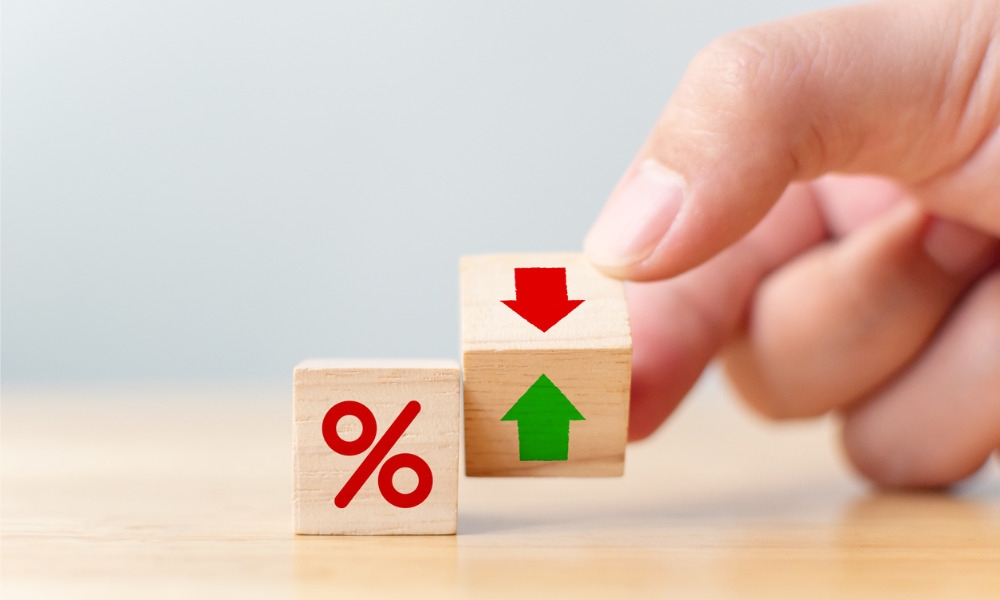
What Happens If Mortgage Rates Increase?
Mortgage rates play a major role in determining how much it costs to buy and own a home. Even a small increase in interest rates can significantly affect monthly payments, the total cost of a loan, and the overall housing market. Whether you're planning to buy a home, already have a mortgage, or are thinking about refinancing, understanding the impact of rising mortgage rates can help you make informed financial decisions.
Why Do Mortgage Rates Increase?
Mortgage rates are influenced by several economic factors, including:
-
Central bank monetary policy
-
Inflation
-
Economic growth
-
Employment levels
-
Bond market performance
-
Lender competition
When inflation rises or the economy grows rapidly, lenders often raise mortgage rates to reflect higher borrowing costs and increased financial risk.
Higher Monthly Payments for New Borrowers
The most immediate effect of higher mortgage rates is increased monthly mortgage payments.
For example:
-
A $300,000 mortgage at 5% interest has a lower monthly payment than the same loan at 7%.
-
Although the loan amount remains unchanged, the higher interest rate means more money goes toward interest each month.
This can make homeownership less affordable for many buyers.
Reduced Borrowing Power
As mortgage rates increase, lenders calculate that borrowers can afford smaller loans while keeping monthly payments within acceptable limits.
For example, a buyer who qualified for a $450,000 mortgage at lower rates might only qualify for a $390,000 mortgage after rates rise.
This may require buyers to:
-
Purchase a less expensive home
-
Increase their down payment
-
Delay buying altogether
Higher Total Interest Costs
One of the biggest long-term effects of rising mortgage rates is paying much more interest over the life of the loan.
Even a 1–2% increase in interest can add tens or even hundreds of thousands of dollars to the total repayment amount on a 30-year mortgage.
Because mortgages are long-term loans, small rate changes have a significant financial impact.
Fixed-Rate Mortgage Holders
If you already have a fixed-rate mortgage, rising interest rates generally won't affect your existing loan.
Your:
-
Interest rate stays the same.
-
Monthly principal and interest payments remain unchanged.
-
Loan terms do not change.
This is one of the biggest advantages of fixed-rate mortgages—they provide predictable payments regardless of market conditions.
Adjustable-Rate Mortgage (ARM) Borrowers
The situation is different if you have an adjustable-rate mortgage (ARM).
After the initial fixed-rate period ends, your interest rate adjusts according to market conditions.
If mortgage rates have increased:
-
Your interest rate may rise.
-
Monthly payments may increase.
-
Total borrowing costs become higher.
Many ARMs include rate caps that limit how much the interest rate can increase during each adjustment period and over the life of the loan.
Refinancing Becomes Less Attractive
When mortgage rates rise, refinancing often becomes less beneficial.
Homeowners who already have low interest rates may decide not to refinance because doing so could result in:
-
Higher monthly payments
-
Greater total interest costs
-
Reduced savings
Instead, many homeowners choose to keep their existing mortgage.
Home Prices May Slow Down
Higher mortgage rates often reduce buyer demand.
Since fewer people can afford expensive homes:
-
Homes may stay on the market longer.
-
Sellers may lower asking prices.
-
Home price growth may slow.
-
In some markets, prices may decline.
However, home prices also depend on local housing supply and demand, so rising rates don't always cause prices to fall.
Slower Housing Market Activity
As borrowing becomes more expensive, overall housing activity often decreases.
This can lead to:
-
Fewer home purchases
-
Lower refinancing activity
-
Reduced construction of new homes
-
Longer selling times
Real estate markets typically become less competitive during periods of high mortgage rates.
Effects on First-Time Homebuyers
First-time buyers are often the most affected by rising mortgage rates because they usually have:
-
Smaller down payments
-
Lower savings
-
Tighter budgets
Higher monthly payments may delay homeownership or require buyers to choose smaller homes or different neighborhoods.
Impact on Existing Homeowners
Homeowners with fixed-rate mortgages often benefit from having locked in lower rates before rates increased.
However, rising rates may affect future financial decisions, such as:
-
Moving to a new home
-
Buying investment property
-
Refinancing
-
Taking out home equity loans
Borrowing against home equity may become more expensive if interest rates are higher.
What Can Buyers Do When Rates Rise?
Although higher mortgage rates can make buying a home more challenging, there are several ways to reduce their impact.
Improve Your Credit Score
Borrowers with higher credit scores often qualify for better mortgage rates, even during periods of rising interest rates.
Increase Your Down Payment
A larger down payment reduces the loan amount and may help secure more favorable loan terms.
Compare Multiple Lenders
Mortgage rates vary between lenders. Shopping around can help you find competitive rates and lower fees.
Consider Shorter Loan Terms
Shorter-term mortgages, such as 15-year loans, often offer lower interest rates than 30-year mortgages, although monthly payments are typically higher.
Lock Your Interest Rate
If you're purchasing a home and expect rates to continue rising, a rate lock can protect your mortgage rate before closing, provided your lender offers this option.
Should You Wait for Rates to Fall?
Many buyers wonder whether it's better to wait until mortgage rates decrease.
The answer depends on several factors:
-
Your financial stability
-
Home prices in your area
-
Expected future interest rates
-
Your long-term housing plans
Waiting carries risks because:
-
Rates may continue rising.
-
Home prices may increase.
-
Competition could intensify if rates later decline.
If you can comfortably afford the monthly payments and the home fits your long-term needs, buying may still make sense even when rates are higher.
Final Thoughts
When mortgage rates increase, borrowing becomes more expensive, reducing affordability for many homebuyers. Higher rates can lead to larger monthly payments, greater lifetime interest costs, and slower housing market activity. While homeowners with fixed-rate mortgages are generally protected from rising rates, buyers and those with adjustable-rate mortgages may feel a greater financial impact.
The best approach is to focus on what you can control—maintain a strong credit profile, save for a larger down payment, compare lenders, and choose a mortgage that fits your budget. By planning carefully, you can make confident home-buying decisions regardless of where interest rates are headed.
- Arts
- Business
- Computers
- Jocuri
- Health
- Home
- Kids and Teens
- Money
- News
- Personal Development
- Recreation
- Regional
- Reference
- Science
- Shopping
- Society
- Sports
- Бизнес
- Деньги
- Дом
- Досуг
- Здоровье
- Игры
- Искусство
- Источники информации
- Компьютеры
- Личное развитие
- Наука
- Новости и СМИ
- Общество
- Покупки
- Спорт
- Страны и регионы
- World

 English
 Russian
 French
 Spanish
 Portuguese
 Deutsch
 Turkish
 Dutch
Dutch
 Italiano
 Arabic
 Portuguese (Brazil)
 Greek
Greek
