
Can I refinance to get a lower interest rate in mortgage?
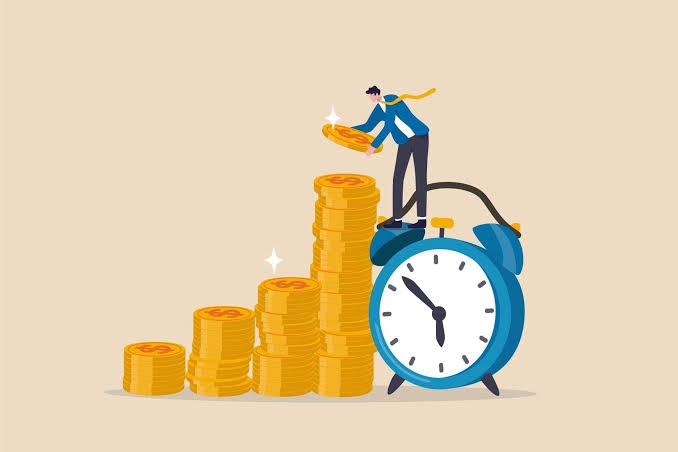
Can I Refinance to Get a Lower Interest Rate on My Mortgage?
If you have a mortgage with a higher interest rate than what's currently available, refinancing could help you save money. Many homeowners refinance to secure a lower interest rate, reduce monthly payments, or shorten the length of their loan. However, refinancing isn't always the right choice. Understanding how it works and when it makes financial sense can help you decide whether it's the right move.
What Does Mortgage Refinancing Mean?
Mortgage refinancing involves replacing your existing home loan with a new one. The new mortgage pays off your current loan, and you begin making payments on the new loan under its terms.
Homeowners typically refinance to:
-
Get a lower interest rate.
-
Reduce monthly mortgage payments.
-
Switch from an adjustable-rate mortgage (ARM) to a fixed-rate mortgage.
-
Shorten the loan term.
-
Access home equity through a cash-out refinance.
Among these reasons, lowering the interest rate is the most common.
How a Lower Interest Rate Saves Money
Your mortgage interest rate directly affects how much you'll pay over the life of your loan. Even a small reduction can lead to significant savings.
For example, lowering your mortgage rate from 7% to 6% on a large loan could reduce your monthly payment and save tens of thousands of dollars in interest over the loan's lifetime.
The larger your loan balance and the longer you plan to keep the home, the greater the potential benefit of refinancing.
When Should You Refinance?
Refinancing may be worthwhile if one or more of the following applies:
Interest Rates Have Fallen
If market mortgage rates are noticeably lower than your current rate, refinancing may reduce your monthly payment and total interest costs.
Many homeowners begin considering refinancing when they can lower their rate by around 0.5% to 1%, although even smaller reductions may be worthwhile depending on the loan size and closing costs.
Your Credit Score Has Improved
If your credit score has increased since you first obtained your mortgage, lenders may offer you a lower interest rate today.
Improvements in your financial profile, including lower debt or higher income, may also qualify you for better loan terms.
You Want More Predictable Payments
If you currently have an adjustable-rate mortgage, refinancing into a fixed-rate mortgage can protect you from future interest rate increases.
You Plan to Stay in the Home
Refinancing usually involves upfront costs. If you expect to remain in your home long enough to recover those costs through monthly savings, refinancing becomes more attractive.
Costs of Refinancing
Although refinancing can lower your interest rate, it isn't free.
Common refinancing costs include:
-
Loan origination fees
-
Home appraisal fees
-
Title insurance
-
Credit report fees
-
Closing costs
-
Recording fees
These expenses often total between 2% and 5% of the loan amount. Some lenders advertise "no-closing-cost" refinancing, but the costs are generally recovered through a higher interest rate or added to the loan balance.
Calculate Your Break-Even Point
Before refinancing, calculate how long it will take for your monthly savings to offset the refinancing costs.
For example:
-
Closing costs: $4,000
-
Monthly savings: $200
Break-even point:
$4,000 ÷ $200 = 20 months
If you expect to stay in the home for more than 20 months, refinancing may provide long-term savings.
Factors That Affect Your New Interest Rate
Several factors determine the rate you'll receive, including:
-
Credit score
-
Loan amount
-
Home value
-
Loan-to-value (LTV) ratio
-
Income and employment history
-
Debt-to-income (DTI) ratio
-
Current market interest rates
-
Loan type and term
Improving these factors before applying can increase your chances of securing a better rate.
When Refinancing May Not Be Worth It
Refinancing isn't always the best option.
You may want to wait if:
-
Interest rates haven't dropped enough.
-
Closing costs outweigh the expected savings.
-
You plan to move soon.
-
Your credit score has declined.
-
You're close to paying off your mortgage.
-
Extending the loan term would significantly increase total interest paid.
Carefully compare the long-term costs before making a decision.
Can You Refinance More Than Once?
Yes. There is generally no legal limit to how many times you can refinance your mortgage.
Some homeowners refinance multiple times when interest rates continue to decline. However, each refinance comes with closing costs, so frequent refinancing only makes sense if the savings exceed the expenses.
Steps to Refinance Your Mortgage
If refinancing seems beneficial, follow these steps:
-
Review your current mortgage terms.
-
Check your credit score.
-
Compare offers from multiple lenders.
-
Estimate your refinancing costs.
-
Calculate your break-even point.
-
Submit your application.
-
Complete the appraisal and closing process.
Shopping around can help you find the most competitive interest rate and lowest fees.
Final Thoughts
Yes, you can refinance your mortgage to obtain a lower interest rate, and doing so can reduce both your monthly payment and the total amount of interest you pay over time. However, refinancing only makes financial sense if the savings outweigh the upfront costs.
Before refinancing, compare offers from several lenders, evaluate your credit profile, and calculate your break-even point. With careful planning, refinancing can be an effective way to improve your long-term financial situation and make your mortgage more affordable.
- Arts
- Business
- Computers
- الألعاب
- Health
- الرئيسية
- Kids and Teens
- مال
- News
- Personal Development
- Recreation
- Regional
- Reference
- Science
- Shopping
- Society
- Sports
- Бизнес
- Деньги
- Дом
- Досуг
- Здоровье
- Игры
- Искусство
- Источники информации
- Компьютеры
- Личное развитие
- Наука
- Новости и СМИ
- Общество
- Покупки
- Спорт
- Страны и регионы
- World

 English
 Russian
 French
 Spanish
 Portuguese
 Deutsch
 Turkish
 Dutch
Dutch
 Italiano
 Romaian
 Portuguese (Brazil)
 Greek
Greek