
What is the federal funds rate?
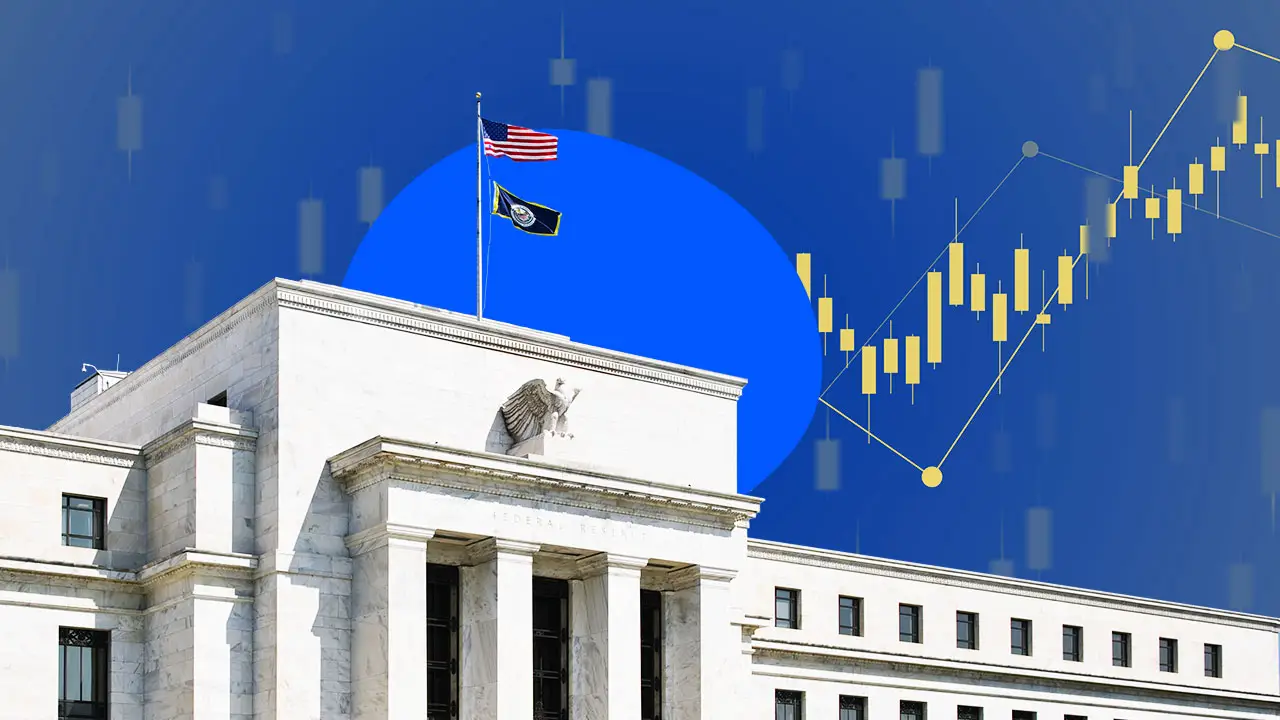
What Is the Federal Funds Rate?
The federal funds rate is one of the most important interest rates in the United States. Although it primarily affects banks, its influence extends throughout the economy, impacting borrowing costs, savings accounts, mortgages, credit cards, investments, and even employment. Understanding the federal funds rate can help consumers and businesses make more informed financial decisions.
Understanding the Federal Funds Rate
The federal funds rate is the interest rate that banks and other depository institutions charge each other for overnight loans of reserve balances. Banks are required to hold a certain amount of reserves, and some may end the day with excess reserves while others have a shortfall. Those with shortages borrow from banks with excess reserves to meet regulatory requirements.
The interest charged on these overnight loans is known as the federal funds rate.
There are two commonly referenced versions of this rate:
-
The target federal funds rate: A range set by the Federal Reserve.
-
The effective federal funds rate: The actual average rate at which banks lend reserves to one another.
Who Sets the Federal Funds Rate?
The federal funds rate is guided by the Federal Reserve, often called "the Fed," which serves as the central bank of the United States.
Specifically, the Federal Open Market Committee (FOMC) meets approximately eight times each year to evaluate economic conditions. Based on factors such as inflation, employment, and economic growth, the committee decides whether to raise, lower, or maintain the target range for the federal funds rate.
Why the Federal Funds Rate Matters
Although consumers cannot borrow directly at the federal funds rate, it influences nearly every other interest rate in the economy.
When the federal funds rate changes, banks often adjust the rates they charge customers for loans and the rates they pay on deposits.
As a result, changes in the federal funds rate affect:
-
Mortgage rates
-
Auto loan rates
-
Credit card interest rates
-
Business loans
-
Personal loans
-
Savings account yields
-
Certificates of deposit (CDs)
How a Higher Federal Funds Rate Affects the Economy
When inflation is rising too quickly, the Federal Reserve may increase the federal funds rate.
Higher rates generally lead to:
-
More expensive borrowing
-
Higher monthly loan payments
-
Slower consumer spending
-
Reduced business investment
-
Increased savings account interest rates
-
Slower economic growth
The goal is to reduce demand enough to bring inflation back under control without causing a severe recession.
How a Lower Federal Funds Rate Affects the Economy
During periods of weak economic growth or recession, the Federal Reserve may lower the federal funds rate.
Lower rates often result in:
-
Cheaper mortgages
-
Lower auto loan rates
-
Reduced business borrowing costs
-
Increased consumer spending
-
Higher business investment
-
Stronger economic activity
Lower interest rates encourage people and businesses to borrow and spend, helping stimulate the economy.
Relationship Between the Federal Funds Rate and Inflation
One of the Federal Reserve's primary responsibilities is maintaining price stability.
When inflation becomes too high, raising the federal funds rate helps cool spending by making borrowing more expensive.
Conversely, when inflation is too low or the economy is slowing significantly, lowering the rate encourages borrowing and investment, supporting economic growth.
The Federal Reserve continually balances these objectives to promote stable prices and maximum employment.
Federal Funds Rate vs. Prime Rate
Many people confuse the federal funds rate with the prime rate, but they are different.
The federal funds rate applies to overnight lending between banks.
The prime rate is the interest rate commercial banks offer their most creditworthy customers. It usually moves shortly after changes in the federal funds rate.
Many consumer loans—including variable-rate credit cards, home equity lines of credit (HELOCs), and some business loans—are based on the prime rate.
How the Federal Funds Rate Affects Consumers
Even though consumers do not borrow directly at the federal funds rate, its effects are widespread.
Borrowers
Higher federal funds rates often mean:
-
Higher mortgage costs
-
More expensive car loans
-
Increased credit card interest
-
Higher monthly loan payments
Lower rates generally make borrowing more affordable.
Savers
Rising federal funds rates can benefit savers because banks frequently increase interest paid on:
-
High-yield savings accounts
-
Money market accounts
-
Certificates of deposit (CDs)
Lower rates usually reduce returns on these savings products.
Investors
Interest rate changes also affect financial markets.
Higher rates can place pressure on stock prices because companies face higher borrowing costs and investors may shift money toward safer interest-bearing investments.
Lower rates often support stock prices by encouraging investment and economic expansion.
Why Banks Care About the Federal Funds Rate
The federal funds market allows banks to efficiently manage their reserve requirements on a daily basis.
Changes in the federal funds rate influence banks' own funding costs. Since banks pass many of these costs on to customers, adjustments to the federal funds rate eventually ripple through the entire financial system.
Historical Perspective
The federal funds rate has varied widely over time depending on economic conditions.
During periods of high inflation, the Federal Reserve has raised rates significantly to slow price increases.
During financial crises or recessions, rates have sometimes been reduced close to zero to encourage borrowing and economic recovery.
These adjustments reflect the Fed's efforts to maintain a healthy balance between controlling inflation and supporting employment.
Key Takeaways
The federal funds rate is the benchmark interest rate for overnight lending between banks. Although consumers never borrow directly at this rate, it strongly influences mortgages, credit cards, auto loans, savings accounts, and business financing.
By raising or lowering the federal funds rate, the Federal Reserve seeks to control inflation, encourage employment, and promote stable economic growth. Because of its broad impact, the federal funds rate is closely watched by financial markets, businesses, policymakers, and consumers alike.
Understanding how the federal funds rate works can help individuals anticipate changes in borrowing costs, savings returns, and the overall economy, making it an essential concept in personal finance and economics.
- Arts
- Business
- Computers
- Jogos
- Health
- Início
- Kids and Teens
- Money
- News
- Personal Development
- Recreation
- Regional
- Reference
- Science
- Shopping
- Society
- Sports
- Бизнес
- Деньги
- Дом
- Досуг
- Здоровье
- Игры
- Искусство
- Источники информации
- Компьютеры
- Личное развитие
- Наука
- Новости и СМИ
- Общество
- Покупки
- Спорт
- Страны и регионы
- World

 English
 Russian
 French
 Spanish
 Portuguese
 Deutsch
 Turkish
 Dutch
Dutch
 Italiano
 Arabic
 Romaian
 Greek
Greek
