
Why do countries import goods they can produce themselves?
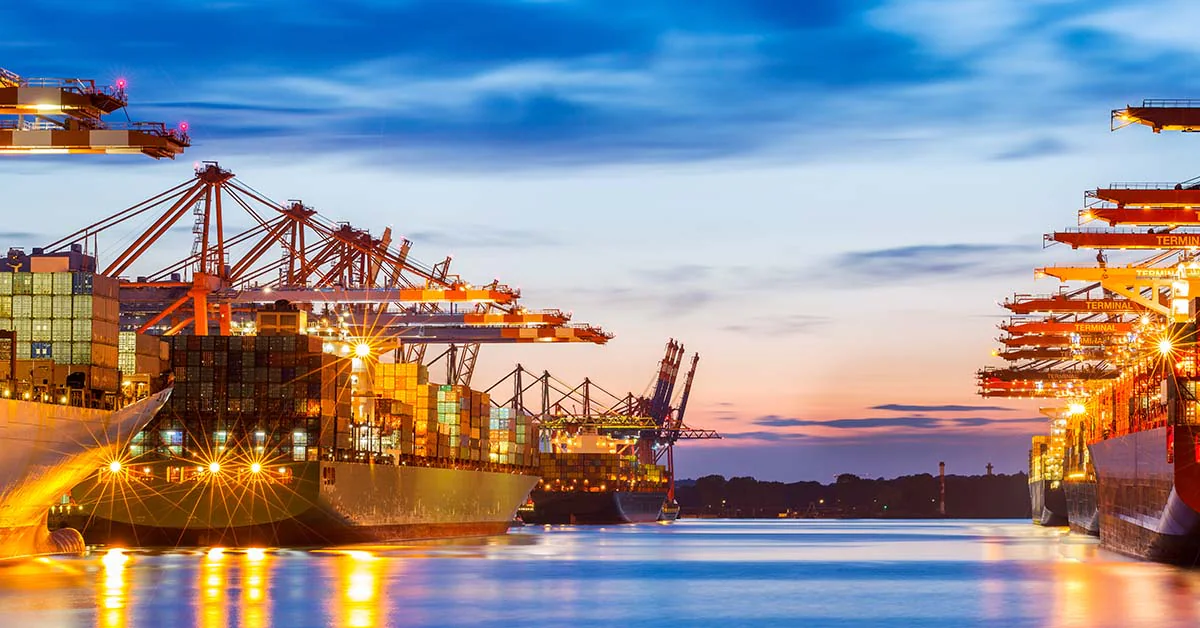
Why Do Countries Import Goods They Can Produce Themselves?
International trade is one of the most important features of the modern economy. Countries routinely import goods that they have the ability to produce domestically. At first, this may seem unnecessary. If a country can manufacture cars, grow food, or produce electronics itself, why would it spend money buying those products from other countries?
The answer is that being able to produce something does not necessarily mean that producing it domestically is the most efficient or economical choice. Countries import goods for many reasons, including lower production costs, specialization, differences in quality, consumer preferences, access to resources, and the benefits of international trade.
Comparative Advantage
One of the main reasons countries import goods they can produce themselves is comparative advantage. This means that a country may be able to produce a particular product, but another country can produce it at a lower opportunity cost.
For example, imagine that Country A can produce both clothing and computers. However, it is particularly efficient at producing computers, while Country B is relatively better at producing clothing. Even though Country A could manufacture its own clothing, it may be more beneficial for it to focus on computers and import clothing from Country B.
By specializing in products where they have a comparative advantage and trading with one another, both countries can potentially obtain more goods at lower overall costs.
Lower Production Costs
Another major reason for imports is cost. A foreign country may be able to produce a product more cheaply because it has lower wages, cheaper raw materials, more efficient factories, better infrastructure, or advanced technology.
For example, a country might have the ability to manufacture smartphones domestically, but importing them from a country with a highly developed electronics industry may be significantly cheaper. Domestic production could require expensive factories, specialized equipment, skilled workers, and large investments.
Businesses and consumers generally prefer lower-cost products when quality is comparable. As a result, countries import products from places where they can be produced more efficiently.
Economies of Scale
Large-scale production can also make imports attractive. When companies produce enormous quantities of a product, the average cost of producing each unit can fall. This is known as an economy of scale.
Some countries have large industries that serve both their domestic markets and international customers. Because these industries operate on a huge scale, they may produce goods more cheaply than a smaller domestic industry could.
For instance, a country may have enough demand to support a small automobile industry, but imported vehicles from a country with a much larger automobile sector may still be cheaper. Importing allows consumers to benefit from the efficiency of large international producers.
Differences in Natural Resources
Countries have different natural resources and geographic conditions. Some have abundant oil, natural gas, minerals, fertile farmland, or forests, while others have limited supplies.
A country may technically be able to produce a resource-based product but find it extremely expensive because the necessary resources are scarce locally.
For example, a country with limited oil reserves could refine imported crude oil into petroleum products domestically. Although it can perform the refining process itself, it still needs to import the raw material. Similarly, a country may grow certain crops but import other varieties that require a different climate.
International trade allows countries to overcome these geographic limitations.
Quality and Product Variety
Price is not the only factor influencing imports. Countries also import goods because foreign products may offer better quality, unique features, or greater variety.
Consumers often want access to products from different countries, even when similar goods are available domestically. A country may produce wine, cheese, clothing, automobiles, or electronics, yet consumers may prefer particular foreign brands or products.
Imports therefore increase consumer choice. Competition from foreign producers can also encourage domestic companies to improve their products, reduce costs, and innovate.
Technology and Expertise
Some countries have developed specialized expertise in particular industries. Even when another country can technically produce the same goods, it may lack the technology, knowledge, or skilled workforce needed to manufacture them as efficiently.
For example, a country might be capable of producing advanced medical equipment but lack the research facilities and specialized expertise required to do so competitively. Importing the equipment can be more practical than spending years and large amounts of money developing a domestic industry.
Imports can therefore provide access to technologies and specialized products that would otherwise be difficult or expensive to obtain.
Consumer Preferences
Consumer demand is another important reason countries import goods they can produce domestically. People do not always buy products simply because they are locally made.
Consumers may prefer foreign products because of their reputation, design, brand recognition, cultural associations, or perceived quality. For example, a country can produce its own clothing, but consumers may still purchase clothing made in other countries because they prefer particular styles or brands.
Businesses respond to this demand by importing products that consumers want.
Competition and Efficiency
Imports can also increase competition in domestic markets. If local companies face no competition from foreign producers, they may have less incentive to reduce prices, improve quality, or develop new products.
Foreign competition can put pressure on domestic businesses to become more efficient. Although this competition can be challenging for some industries, it can benefit consumers through lower prices, greater choice, and improved products.
In this way, imports can contribute to a more competitive economy.
Intermediate Goods and Global Supply Chains
Modern products are often made through international supply chains. A country may import components even when it has the ability to manufacture them domestically.
For example, a car assembled in one country may contain engines, electronic components, tires, or other parts manufactured elsewhere. A computer may contain chips designed in one country, manufactured in another, and assembled somewhere else.
Companies organize production internationally because different locations may specialize in different stages of manufacturing. Importing components can therefore make final products cheaper and more competitive.
Seasonal and Temporary Factors
Countries may also import goods when domestic production is insufficient at a particular time. Agricultural products are a good example. A country may grow a particular fruit domestically but import it during the months when local production is unavailable.
Similarly, unexpected events such as droughts, natural disasters, factory shutdowns, or sudden increases in demand can reduce domestic supplies. Imports can help fill these gaps and prevent shortages.
Is Importing Always Beneficial?
Although imports provide many advantages, they can also create challenges. Heavy dependence on foreign suppliers can make a country vulnerable to international disruptions. Exchange-rate changes, trade restrictions, wars, transportation problems, or supply-chain disruptions can increase the cost or reduce the availability of imported goods.
Imports can also create difficulties for domestic industries that cannot compete with foreign producers. Some workers and businesses may lose income when cheaper imported products replace locally produced goods.
For these reasons, governments sometimes use tariffs, quotas, subsidies, or other policies to protect particular industries. However, excessive protection can also raise prices, reduce competition, and make domestic industries less efficient.
Conclusion
Countries import goods they can produce themselves because economic efficiency is not simply about whether a country is capable of making something. The more important question is whether it is economically beneficial to produce that good domestically rather than obtain it from another country.
Comparative advantage, lower production costs, economies of scale, natural-resource differences, technology, consumer preferences, product quality, and global supply chains all encourage countries to import goods they could theoretically produce themselves.
International trade allows countries to specialize, exchange products, and make better use of their resources. While imports can create challenges for certain industries and increase dependence on foreign suppliers, they can also provide consumers with lower prices, greater variety, and access to products that would otherwise be more expensive or difficult to obtain.
Ultimately, countries trade not because they are unable to produce everything themselves, but because specialization and exchange can allow them to achieve more than producing everything on their own.
- Arts
- Business
- Computers
- Juegos
- Health
- Home
- Kids and Teens
- Money
- News
- Personal Development
- Recreation
- Regional
- Reference
- Science
- Shopping
- Society
- Sports
- Бизнес
- Деньги
- Дом
- Досуг
- Здоровье
- Игры
- Искусство
- Источники информации
- Компьютеры
- Личное развитие
- Наука
- Новости и СМИ
- Общество
- Покупки
- Спорт
- Страны и регионы
- World

 English
 Russian
 French
 Portuguese
 Deutsch
 Turkish
 Dutch
Dutch
 Italiano
 Arabic
 Romaian
 Portuguese (Brazil)
 Greek
Greek