
What is a floating exchange rate?
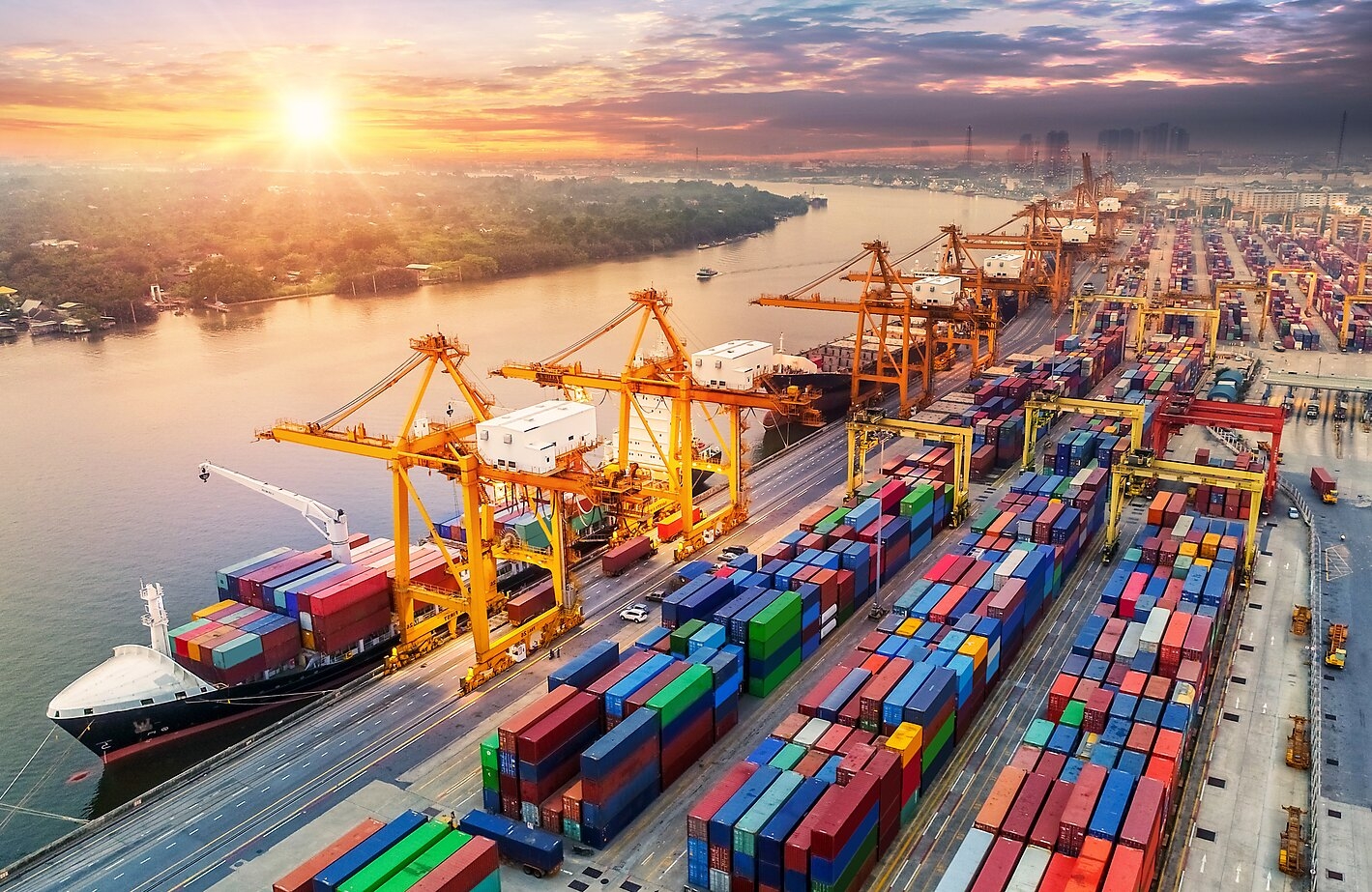
What Is a Floating Exchange Rate?
A floating exchange rate is a system in which the value of a country's currency is mainly determined by supply and demand in the foreign exchange market. Unlike a fixed exchange rate, where a government or central bank tries to maintain a currency at a particular value against another currency, a floating exchange rate is allowed to rise or fall according to economic conditions and market forces.
Floating exchange rates are widely used around the world. Major currencies such as the U.S. dollar, euro, British pound, Japanese yen, Canadian dollar, and Australian dollar operate under broadly floating exchange-rate systems.
How Does a Floating Exchange Rate Work?
The foreign exchange market, often called the forex market, is where currencies are bought and sold. The exchange rate between two currencies changes as the demand for and supply of those currencies change.
For example, suppose demand for the U.S. dollar increases relative to the euro. More people and businesses may want dollars to purchase American goods, invest in U.S. assets, or hold dollars as a financial asset. If the supply of dollars available in the market does not increase by the same amount, the dollar may become more valuable compared with the euro.
On the other hand, if demand for the dollar falls while the supply of dollars available for exchange increases, the dollar may weaken against the euro.
As a result, exchange rates can change frequently—even within a single day.
What Causes a Floating Exchange Rate to Change?
Several economic and financial factors can influence the value of a floating currency.
Interest Rates
Interest rates can have a major effect on currency values. When a country's central bank raises interest rates, financial assets in that country may become more attractive to international investors. Increased demand for the country's currency can cause its value to rise.
Conversely, lower interest rates can reduce demand for the currency, potentially causing it to depreciate.
Inflation
Inflation can also influence exchange rates. Countries with relatively low and stable inflation may maintain stronger currencies over time, while persistently high inflation can reduce the purchasing power of a currency and put downward pressure on its value.
Imports and Exports
International trade affects the supply and demand for currencies. When a country exports goods and services, foreign buyers generally need the exporting country's currency or a currency accepted by the seller. Strong export demand can therefore increase demand for a currency.
Imports can have the opposite effect because domestic buyers may need foreign currencies to pay overseas sellers.
Economic Growth
A growing economy may attract foreign investment because investors expect businesses and financial assets to perform well. Increased investment can raise demand for the country's currency.
Weak economic growth, by contrast, may discourage investment and reduce demand for the currency.
Political and Economic Stability
Investors generally prefer countries with stable political systems, reliable institutions, and predictable economic policies. Political uncertainty, financial crises, or concerns about government policies can lead investors to move money elsewhere, reducing demand for a country's currency.
Market Expectations
Currency markets respond not only to current economic conditions but also to expectations about the future. If investors believe a currency will strengthen, they may buy it today, potentially causing its value to rise. Negative expectations can produce the opposite effect.
Appreciation and Depreciation
Two important terms used with floating exchange rates are appreciation and depreciation.
Appreciation occurs when a currency becomes more valuable relative to another currency. For example, if one unit of a currency previously bought $1.00 and later buys $1.10, that currency has appreciated against the dollar.
Depreciation occurs when a currency loses value relative to another currency. If one unit previously bought $1.00 but later buys only $0.90, the currency has depreciated against the dollar.
These changes can affect consumers, businesses, investors, and governments.
Advantages of a Floating Exchange Rate
One major advantage of a floating exchange rate is flexibility. The exchange rate can adjust to changes in economic conditions without requiring the government to maintain a specific currency value.
For example, if a country's economy experiences a decline in export demand, its currency may depreciate. A weaker currency can make the country's exports cheaper for foreign buyers, potentially helping exporters become more competitive.
Floating exchange rates can also give central banks greater freedom to conduct independent monetary policy. A central bank can adjust interest rates according to domestic economic conditions rather than focusing primarily on defending a fixed exchange-rate target.
Another advantage is that governments do not necessarily need to spend large amounts of foreign currency reserves defending a particular exchange rate.
Disadvantages of a Floating Exchange Rate
The biggest disadvantage is exchange-rate volatility. Because currencies respond to changing economic conditions and market expectations, their values can move significantly.
This uncertainty can make international trade and investment more difficult. For example, a company that agrees to receive payment in a foreign currency several months in the future may not know exactly how much that payment will be worth in its domestic currency.
A weaker currency can also make imported goods more expensive. If a country relies heavily on imported fuel, food, machinery, or technology, currency depreciation can increase costs for businesses and consumers.
In addition, sudden currency movements can create financial difficulties for companies or governments that have borrowed money in a foreign currency.
Floating vs. Fixed Exchange Rates
The main difference between floating and fixed exchange rates is how the currency's value is determined.
Under a floating exchange rate, market forces play the primary role in determining the currency's value. The exchange rate can move freely in response to supply and demand.
Under a fixed exchange rate, the government or central bank maintains the currency at or near a specific value against another currency or a basket of currencies. To maintain that value, authorities may need to buy or sell currencies, adjust interest rates, or introduce other economic measures.
Some countries use systems that fall between these two extremes. These are sometimes called managed floats, where market forces determine the exchange rate but the central bank occasionally intervenes to influence its movement.
How Floating Exchange Rates Affect Imports and Exports
Floating exchange rates have an important effect on international trade.
When a country's currency depreciates, its exports can become less expensive for foreign customers. This may increase demand for products and services produced domestically. At the same time, imports become more expensive for domestic consumers and businesses.
When a country's currency appreciates, imported goods become relatively cheaper. Consumers may benefit from lower prices for foreign products, while businesses that depend on imported materials may face lower costs. However, exports can become more expensive for foreign buyers, potentially reducing international demand.
The actual effects depend on many factors, including the types of goods traded, consumer demand, production costs, and how quickly businesses adjust their prices.
Conclusion
A floating exchange rate is a currency system in which the value of a currency is primarily determined by supply and demand in the foreign exchange market. Interest rates, inflation, trade, economic growth, political stability, investment flows, and market expectations can all influence the exchange rate.
Floating exchange rates provide flexibility and allow currencies to adjust to changing economic conditions. However, they can also create volatility and uncertainty for businesses, consumers, and investors involved in international transactions.
Understanding floating exchange rates is important because currency movements affect much more than foreign exchange markets. They influence the prices of imports and exports, international investment, tourism, inflation, business costs, and the overall competitiveness of an economy.
- Arts
- Business
- Computers
- Oyunlar
- Health
- Home
- Kids and Teens
- Money
- News
- Personal Development
- Recreation
- Regional
- Reference
- Science
- Shopping
- Society
- Sports
- Бизнес
- Деньги
- Дом
- Досуг
- Здоровье
- Игры
- Искусство
- Источники информации
- Компьютеры
- Личное развитие
- Наука
- Новости и СМИ
- Общество
- Покупки
- Спорт
- Страны и регионы
- World

 English
 Russian
 French
 Spanish
 Portuguese
 Deutsch
 Dutch
Dutch
 Italiano
 Arabic
 Romaian
 Portuguese (Brazil)
 Greek
Greek