
What is an economic union?
What Is an Economic Union?
An economic union is a form of economic integration in which countries agree to remove barriers to trade and investment among themselves and coordinate important economic policies. It goes beyond a free trade area, customs union, or common market by seeking greater harmonization of economic rules and policies among member countries.
Economic unions are created to make it easier for member states to trade, invest, produce, and conduct business with one another. By coordinating their economies, countries can increase efficiency, expand markets, encourage investment, and strengthen their collective position in the global economy.
Definition of an Economic Union
An economic union combines several features of economic integration. Member countries generally remove tariffs and other restrictions on trade among themselves, adopt a common trade policy toward non-member countries, allow greater movement of goods, services, capital, and labor, and coordinate or harmonize economic policies.
The degree of integration can vary. Some economic unions coordinate policies extensively, while others leave many economic decisions to individual governments.
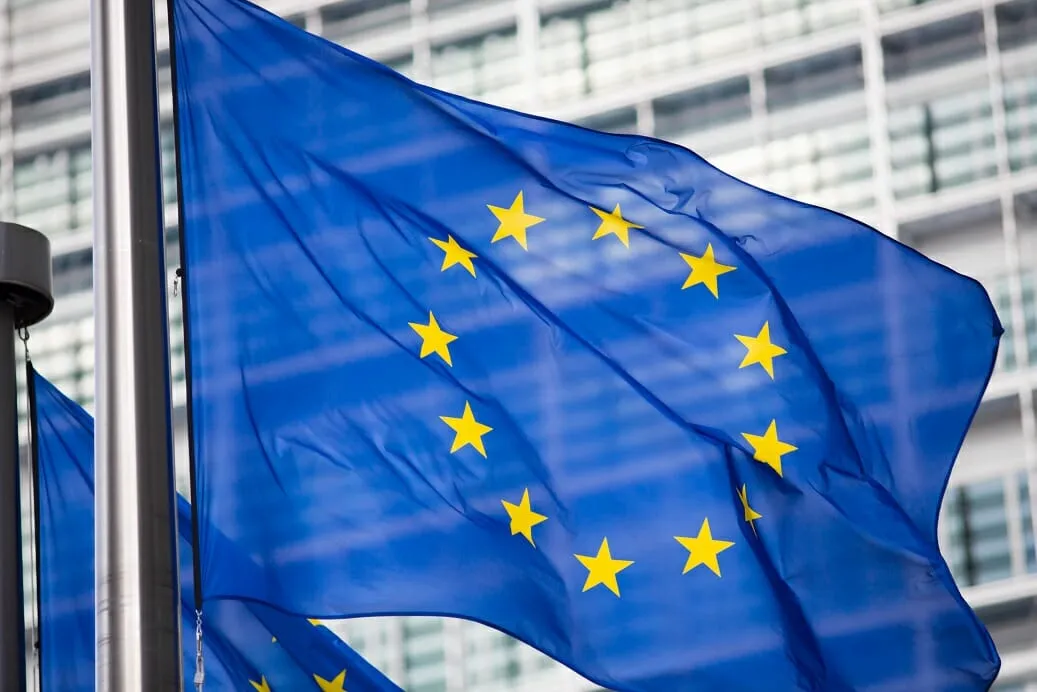
The European Union (EU) is the most prominent example of a highly developed economic union. Its members cooperate in areas such as trade, competition policy, agriculture, consumer protection, and economic regulation. Some EU members also share a common currency, the euro, although not every EU country uses it.
Main Features of an Economic Union
1. Free Trade Among Members
Economic union members remove or reduce tariffs, quotas, and other trade barriers between participating countries. This allows businesses to sell goods and services across borders more easily.
For example, a company based in one member country may be able to sell its products in another member country without facing the same customs barriers that would apply to trade with countries outside the union.
2. Common External Trade Policy
Like a customs union, an economic union generally maintains a common approach to trade with non-member countries. Members may apply common external tariffs and coordinate trade agreements.
This gives member states greater bargaining power when negotiating with other countries or international organizations.
3. Free Movement of Economic Resources
Economic unions usually support the movement of labor and capital between member countries. Workers may have greater opportunities to seek employment in other member states, while companies and investors can move capital across borders more easily.
The free movement of resources allows labor and investment to move toward areas where they can be used most productively.
4. Policy Coordination
A defining feature of an economic union is the coordination of economic policies. Member countries may cooperate on taxation, government spending, competition rules, employment policies, financial regulation, and other economic matters.
The purpose is to prevent major differences in national policies from creating obstacles to integration.
5. Harmonization of Regulations
Economic unions often attempt to make national laws and regulations more compatible. Common standards can make it easier for businesses to operate in several member countries.
For example, harmonized product standards can reduce the need for companies to manufacture different versions of the same product for different national markets.
6. Possible Common Currency
A common currency can be part of a deeper economic union, although it is not always required. When countries share a currency, they eliminate exchange-rate differences among participating members and make cross-border transactions simpler.
The euro is an example of a common currency used by a group of EU member states. However, an economic union does not necessarily require all members to adopt a single currency.
How Does an Economic Union Differ From Other Forms of Integration?
Economic integration can occur at different levels.
A free trade area removes many trade barriers between members, but each country generally maintains its own trade policy toward non-members.
A customs union goes further by establishing a common external tariff and common trade policy.
A common market adds greater freedom of movement for labor and capital.
An economic union goes further still by coordinating and harmonizing important economic policies.
The most advanced form is sometimes described as an economic and monetary union, where countries not only coordinate economic policies but may also share a common currency and monetary policy.
Advantages of an Economic Union
Economic unions can provide several important benefits.
Larger markets are one of the biggest advantages. Businesses gain access to consumers across multiple countries, which can allow companies to expand production and benefit from economies of scale.
Greater competition can also improve efficiency. When businesses compete across a larger integrated market, they may have stronger incentives to lower prices, improve quality, and develop new products.
Increased investment is another potential benefit. Investors may be more willing to invest in an integrated economic area because they can access a larger market under common or compatible rules.
Economic unions can also encourage economic growth and employment. Companies that expand production and trade may create additional jobs, while workers can gain access to employment opportunities in other member countries.
Finally, members may have greater collective bargaining power in international trade and economic negotiations.
Disadvantages and Challenges
Despite their advantages, economic unions also create challenges.
One major concern is the loss of economic policy independence. Governments may have to modify national policies to comply with common rules or agreements. This can make it more difficult for individual countries to respond independently to economic problems.
There can also be unequal benefits among members. Stronger economies may attract more investment and business activity, while weaker economies may struggle to compete.
Another challenge is policy coordination. Countries have different economic conditions, political priorities, tax systems, and levels of development. Reaching agreement on common policies can therefore be difficult.
If an economic union includes a common currency, additional challenges arise. Countries sharing a currency cannot independently adjust their exchange rates or conduct their own monetary policy. An economic crisis affecting one member may therefore require coordinated action by the entire group.
Example: The European Union
The European Union provides the clearest modern example of deep economic integration. Its single market is based on the free movement of goods, services, capital, and people. The EU also establishes common rules in many areas of economic activity and maintains a common commercial policy.
A number of EU countries use the euro, forming the euro area. These countries share monetary policy through the European Central Bank, while fiscal and other economic policies remain partly under national control and partly subject to common rules.
The EU demonstrates that economic integration can involve both significant economic benefits and complex political and policy challenges.
Conclusion
An economic union is a high level of economic integration in which countries combine free trade and the movement of economic resources with coordinated economic policies and, in some cases, a common currency.
Its main goals are to create larger markets, increase competition, encourage investment, improve economic efficiency, and promote growth. At the same time, members must accept limitations on some aspects of independent economic policymaking and work together to manage differences between their economies.
Economic unions therefore represent more than simply removing trade barriers. They require sustained cooperation and a willingness to coordinate national economic policies. When effectively managed, they can create a more integrated and competitive regional economy while strengthening the position of member countries in the global economic system.
- Arts
- Business
- Computers
- Jeux
- Health
- Domicile
- Kids and Teens
- Argent
- News
- Personal Development
- Recreation
- Regional
- Reference
- Science
- Shopping
- Society
- Sports
- Бизнес
- Деньги
- Дом
- Досуг
- Здоровье
- Игры
- Искусство
- Источники информации
- Компьютеры
- Личное развитие
- Наука
- Новости и СМИ
- Общество
- Покупки
- Спорт
- Страны и регионы
- World

 English
 Russian
 Spanish
 Portuguese
 Deutsch
 Turkish
 Dutch
Dutch
 Italiano
 Arabic
 Romaian
 Portuguese (Brazil)
 Greek
Greek