
What Is Deflation?
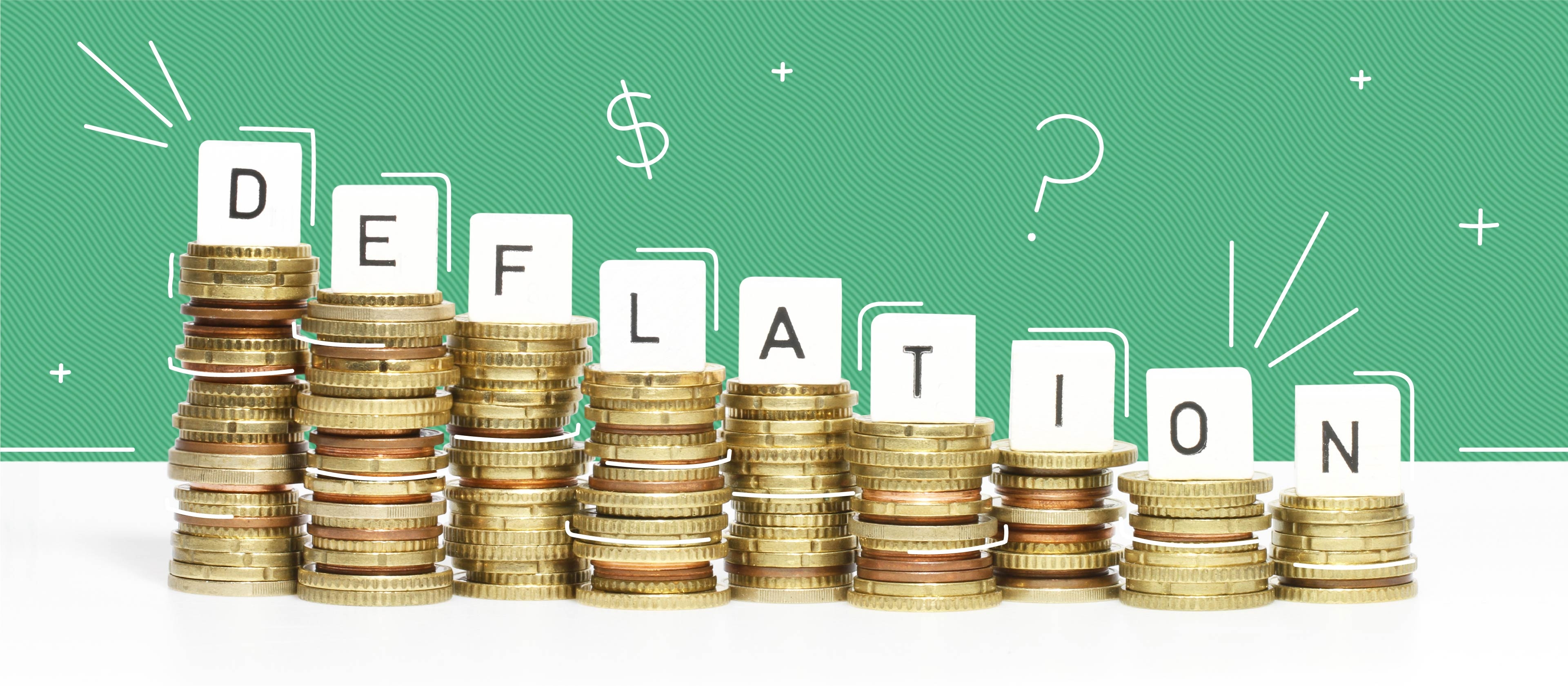
What Is Deflation?
Deflation is an economic condition in which the general level of prices for goods and services falls over time. In simple terms, money becomes more valuable because each unit of currency can buy more than before. While lower prices may sound like good news for consumers, deflation is often viewed by economists as a warning sign of deeper problems in an economy.
To understand deflation properly, it helps to contrast it with inflation. Inflation occurs when prices rise and purchasing power declines. Deflation is the opposite: prices fall and purchasing power increases. However, unlike mild inflation—which can accompany healthy economic growth—deflation is frequently associated with economic slowdown, high unemployment, and reduced investment.
How Deflation Happens
Deflation usually occurs when there is a sustained drop in overall demand for goods and services, or when the supply of goods grows much faster than demand. Several factors can trigger this situation:
-
Decreased Consumer Spending
When people expect prices to keep falling, they may delay purchases. Why buy today if the same product will be cheaper tomorrow? This reduction in spending lowers demand, pushing prices down further and reinforcing deflation. -
Economic Recession or Depression
During recessions, businesses earn less revenue and may lower prices to attract customers. Job losses and wage cuts reduce household income, which further weakens demand and contributes to deflationary pressure. -
Tight Monetary Policy
If a central bank reduces the money supply or raises interest rates too aggressively, borrowing becomes more expensive. Less borrowing means less spending and investment, which can lead to falling prices. -
Technological Advances and Productivity Gains
Improvements in technology can reduce production costs, allowing companies to sell goods more cheaply. While this type of price reduction can be healthy in specific sectors, widespread productivity-driven price declines can contribute to deflation if demand does not keep up. -
High Levels of Debt
When households, businesses, or governments are heavily indebted, they may prioritize paying down debt over spending or investing. This reduces overall demand in the economy and can intensify deflation.
Why Deflation Can Be Dangerous
At first glance, falling prices seem beneficial—consumers can buy more with the same amount of money. However, deflation can create a harmful economic cycle.
One major problem is reduced spending. As people postpone purchases, businesses experience declining sales. In response, companies may cut wages, lay off workers, or reduce investment. These actions lower income and confidence, causing even less spending.
Deflation also increases the real value of debt. While prices and wages fall, the amount owed on loans usually stays the same. This makes debt harder to repay, increasing the risk of defaults and bankruptcies. Businesses may fail, and banks may suffer losses, weakening the financial system.
Another issue is limited monetary policy tools. Central banks typically fight economic slowdowns by lowering interest rates to encourage borrowing and spending. But during deflation, interest rates may already be close to zero. This leaves policymakers with fewer options to stimulate the economy.
Deflation vs. Disinflation
Deflation is often confused with disinflation, but the two are not the same. Disinflation refers to a slowdown in the rate of inflation, meaning prices are still rising but more slowly than before. Deflation, on the other hand, means prices are actually falling.
Disinflation is generally not harmful and can even be desirable if inflation is too high. Deflation, however, is more serious because it signals shrinking economic activity rather than controlled price stability.
Historical Examples of Deflation
One of the most famous examples of deflation occurred during the Great Depression of the 1930s. In the United States and many other countries, prices fell sharply as demand collapsed, unemployment soared, and banks failed. The deflationary spiral made the economic downturn deeper and longer.
A more recent example is Japan’s experience in the 1990s and early 2000s. After a massive asset price bubble burst, Japan entered a long period of low growth and mild deflation. Despite very low interest rates, consumers and businesses remained cautious, and economic recovery was slow.
These cases illustrate how difficult deflation can be to reverse once it becomes entrenched.
Who Benefits and Who Loses from Deflation?
Deflation does not affect everyone equally.
Potential beneficiaries include:
-
Consumers with stable incomes, who can buy more with their money.
-
Savers holding cash, since its purchasing power increases over time.
Those who are harmed include:
-
Borrowers, because debts become harder to repay.
-
Businesses, which face declining revenues and profits.
-
Workers, who may experience wage cuts or job losses.
-
Governments, which collect less tax revenue while debt burdens grow heavier.
Overall, the negative effects on employment, investment, and economic stability tend to outweigh the benefits of lower prices.
How Governments and Central Banks Respond
To combat deflation, policymakers typically aim to stimulate demand and restore confidence. Common strategies include:
-
Lowering interest rates to encourage borrowing and spending.
-
Increasing the money supply, sometimes through unconventional measures such as quantitative easing.
-
Fiscal stimulus, such as government spending on infrastructure or tax cuts, to boost economic activity directly.
-
Clear communication, where central banks signal their commitment to preventing deflation, helping shape consumer and business expectations.
The goal of these policies is to break the cycle of falling prices and weak demand before deflation becomes deeply rooted.
Conclusion
Deflation is a sustained decline in the general price level of goods and services, often linked to economic weakness. While cheaper prices may appear attractive at first, deflation can discourage spending, increase debt burdens, and slow economic growth. History shows that once deflation takes hold, it can be difficult to reverse.
For this reason, most modern economies aim for low, stable inflation rather than zero inflation or deflation. Price stability supports confidence, encourages investment, and helps maintain a healthy balance between consumers, businesses, and governments. Understanding deflation is essential for grasping why falling prices are not always good news—and why policymakers work hard to prevent them.
- Arts
- Business
- Computers
- Jogos
- Health
- Início
- Kids and Teens
- Money
- News
- Personal Development
- Recreation
- Regional
- Reference
- Science
- Shopping
- Society
- Sports
- Бизнес
- Деньги
- Дом
- Досуг
- Здоровье
- Игры
- Искусство
- Источники информации
- Компьютеры
- Личное развитие
- Наука
- Новости и СМИ
- Общество
- Покупки
- Спорт
- Страны и регионы
- World

 English
 Russian
 French
 Spanish
 Deutsch
 Turkish
 Dutch
Dutch
 Italiano
 Arabic
 Romaian
 Portuguese (Brazil)
 Greek
Greek
