
What Is a Depression in Economics?
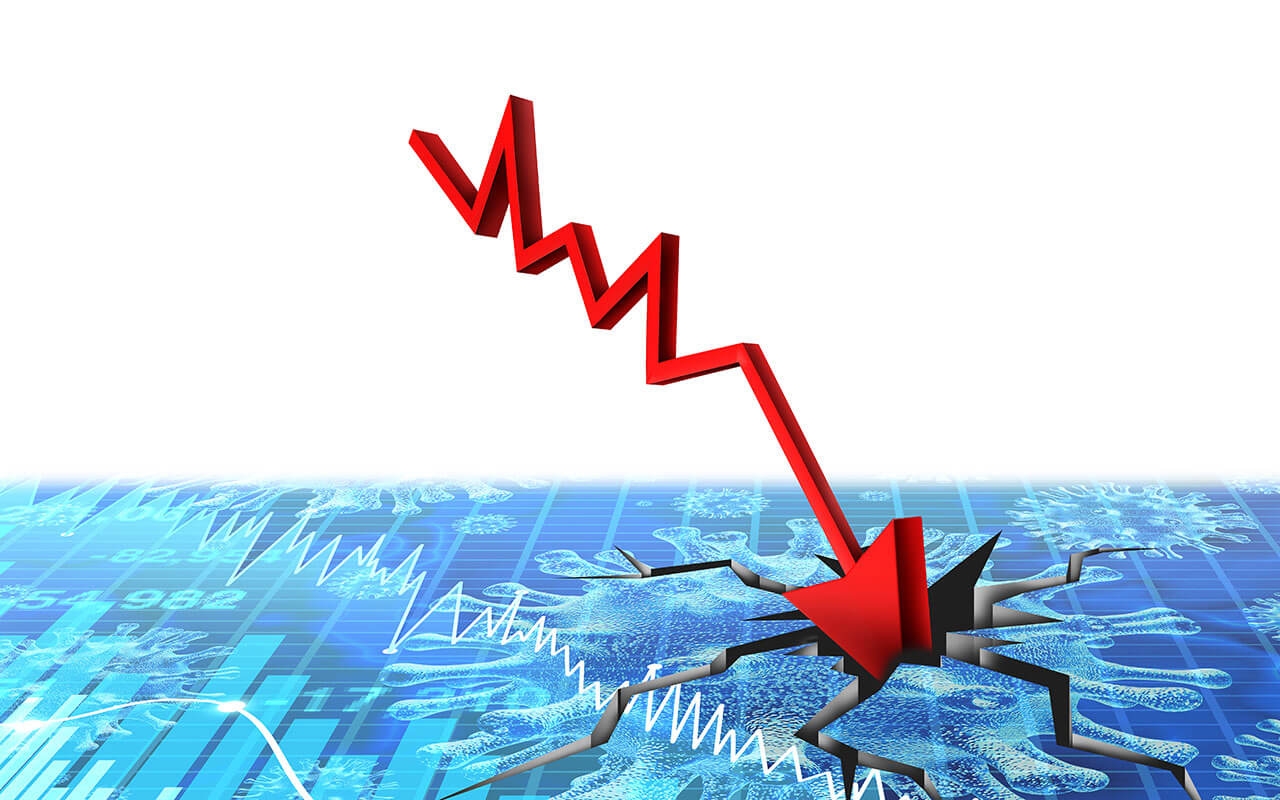
What Is a Depression in Economics?
In economics, a depression refers to a prolonged and severe downturn in economic activity. It is marked by sharp declines in production, employment, income, trade, and overall economic confidence. While the term is sometimes used loosely in everyday language, in economic analysis it has a specific meaning that distinguishes it from milder downturns such as recessions.
Understanding what an economic depression is, how it differs from other phases of the business cycle, and what causes and consequences it has is essential for grasping how modern economies function and why governments take economic crises so seriously.
Depression vs. Recession
The economy naturally moves through cycles of expansion and contraction, known as the business cycle. A recession is a normal part of this cycle and is typically defined as a significant decline in economic activity lasting several months. Recessions involve falling GDP, rising unemployment, and reduced consumer spending, but they are usually temporary and limited in scope.
A depression, by contrast, is far more extreme:
-
It lasts much longer, often several years
-
Economic output falls dramatically
-
Unemployment reaches very high levels
-
Recovery is slow and uncertain
There is no single official numerical rule that separates a recession from a depression, but depressions are generally understood as deep, sustained economic collapses that affect nearly all sectors of the economy.
Key Characteristics of an Economic Depression
An economic depression typically includes several interconnected features:
1. Massive Decline in Economic Output
Gross Domestic Product (GDP), which measures total economic production, falls sharply. Businesses produce less because demand for goods and services collapses.
2. Extremely High Unemployment
As companies cut costs or shut down, millions of workers may lose their jobs. Long-term unemployment becomes common, making it difficult for households to maintain income and spending.
3. Falling Prices and Deflation
In many depressions, prices fall across the economy due to weak demand. While lower prices may seem beneficial, deflation can worsen the crisis by encouraging people to delay spending, which further reduces economic activity.
4. Collapse of Investment and Credit
Banks become cautious and reduce lending, while businesses avoid new investments due to uncertainty. This credit contraction makes recovery even harder.
5. Widespread Loss of Confidence
Consumers, investors, and businesses lose faith in the economy’s stability. This psychological factor plays a major role, as fear and pessimism reinforce reduced spending and investment.
The Great Depression: The Classic Example
The most famous example of an economic depression is the Great Depression of the 1930s. It began after the stock market crash of 1929 and spread across much of the world.
During this period:
-
U.S. GDP fell by roughly one-third
-
Unemployment reached about 25%
-
Thousands of banks failed
-
International trade collapsed
The Great Depression reshaped economic thinking and public policy. Governments realized that leaving markets entirely alone during a crisis could lead to devastating consequences. As a result, many modern economic institutions and policies were designed specifically to prevent another depression of similar scale.
Causes of Economic Depressions
Economic depressions rarely have a single cause. Instead, they usually result from a combination of factors that reinforce one another.
1. Financial Crises
Banking collapses, stock market crashes, or excessive debt can trigger depressions. When financial systems fail, credit dries up and economic activity slows sharply.
2. Overproduction and Weak Demand
If businesses produce more than consumers can afford or are willing to buy, inventories build up and companies cut production and jobs.
3. Policy Mistakes
Poor monetary or fiscal policy can deepen a downturn. For example, raising interest rates or cutting government spending during a crisis can worsen economic contraction.
4. Global Shocks
Wars, pandemics, or major disruptions to trade can push multiple economies into depression simultaneously, especially in a highly interconnected global system.
Government Response to Depressions
Modern governments and central banks aim to prevent recessions from turning into depressions through active intervention.
Monetary Policy
Central banks may:
-
Lower interest rates
-
Increase the money supply
-
Act as lenders of last resort to banks
These steps are designed to encourage borrowing, spending, and investment.
Fiscal Policy
Governments may:
-
Increase public spending
-
Cut taxes
-
Fund job-creation programs
Such actions help support demand when private-sector spending collapses.
These policy tools were used extensively during major economic crises in the 20th and 21st centuries, informed by lessons learned from the Great Depression.
Are Depressions Still Possible Today?
Many economists believe that large-scale depressions are less likely today than in the past due to stronger institutions, better economic data, and more proactive policy responses. However, they are not considered impossible.
Severe global shocks, combined with policy failures or systemic financial weaknesses, could still produce depression-like conditions. For this reason, governments closely monitor economic indicators such as unemployment, inflation, financial stability, and consumer confidence.
Economic and Social Consequences
Beyond economic statistics, depressions have profound social effects:
-
Poverty and inequality increase
-
Education and skill development may suffer
-
Political instability can rise
-
Trust in institutions may weaken
These broader impacts explain why depressions are viewed not just as economic events, but as major societal crises.
Conclusion
In economics, a depression is an extreme, prolonged downturn characterized by collapsing output, widespread unemployment, deflation, and deep loss of confidence. It is far more severe than a typical recession and can reshape societies for generations.
The experience of past depressions—especially the Great Depression—has had a lasting influence on economic theory and public policy. While modern tools have reduced the likelihood of such events, understanding what an economic depression is remains essential for appreciating both the risks economies face and the importance of effective economic management.
- Arts
- Business
- Computers
- Spellen
- Health
- Home
- Kids and Teens
- Money
- News
- Personal Development
- Recreation
- Regional
- Reference
- Science
- Shopping
- Society
- Sports
- Бизнес
- Деньги
- Дом
- Досуг
- Здоровье
- Игры
- Искусство
- Источники информации
- Компьютеры
- Личное развитие
- Наука
- Новости и СМИ
- Общество
- Покупки
- Спорт
- Страны и регионы
- World

 English
 Russian
 French
 Spanish
 Portuguese
 Deutsch
 Turkish
 Italiano
 Arabic
 Romaian
 Portuguese (Brazil)
 Greek
Greek
