
What is Brexit?
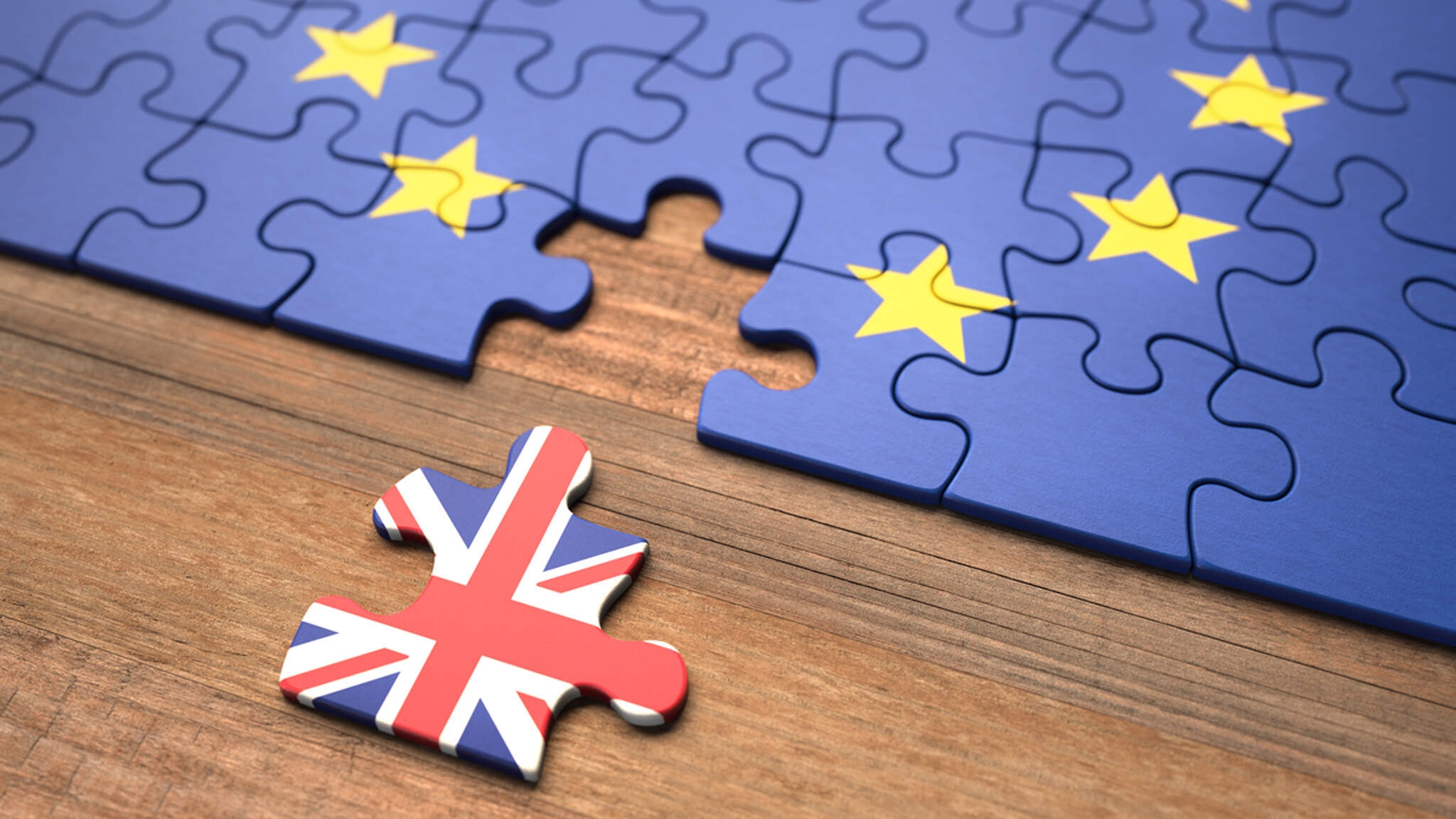
What is Brexit?
Brexit is a term used to describe the United Kingdom’s (UK) decision to leave the European Union (EU), a political and economic union of 27 European countries. The word itself is a combination of “Britain” and “exit.” Brexit has been one of the most significant political events in recent European history, reshaping the UK’s relationship with Europe and the world.
Background: The UK and the EU
The UK joined the European Economic Community (EEC), the EU’s predecessor, in 1973. Over the decades, the UK remained part of the union, benefiting from trade agreements, freedom of movement, and shared policies in areas like agriculture, finance, and law. However, from the start, there was always debate in the UK over the balance between national sovereignty and EU membership. Many Britons felt that EU rules limited the UK’s control over its own laws, borders, and economy.
The debate intensified in the 1990s and 2000s, especially with the introduction of the euro currency, stricter EU regulations, and the expansion of the EU to include countries from Eastern Europe. While some saw EU membership as essential for trade and security, others argued it undermined British independence.
The 2016 Referendum
In 2013, then-Prime Minister David Cameron promised a referendum to let the British public decide whether the UK should remain in or leave the EU. This decision was partly to appease growing pressure from Eurosceptic members of his own Conservative Party and the UK Independence Party (UKIP).
On June 23, 2016, the referendum took place. The result shocked many: 51.9% of voters chose to leave, while 48.1% voted to remain. The vote revealed deep divisions within the UK, often along lines of age, region, and education. Older voters and those in England outside major cities tended to vote Leave, while younger voters and those in London, Scotland, and Northern Ireland largely voted Remain.
The immediate aftermath of the referendum was politically turbulent. David Cameron resigned, and Theresa May became Prime Minister, tasked with negotiating the UK’s exit.
Why Did People Vote for Brexit?
The reasons people voted for Brexit were varied and complex. Common themes included:
-
Sovereignty: Many wanted the UK to make its own laws without interference from the EU.
-
Immigration: Concerns over high levels of immigration and the EU’s principle of free movement motivated some Leave voters.
-
Economy: Some believed the UK could negotiate better trade deals independently.
-
National Identity: A desire to reclaim a sense of British identity and control played a role.
However, experts have noted that misinformation and economic misunderstandings also influenced the vote. For example, the controversial claim that leaving the EU would free up £350 million a week for the National Health Service became widely debated.
Negotiating Brexit
After the referendum, the UK faced a complicated process. Under Article 50 of the EU Treaty, a country wishing to leave the EU must give two years’ notice to negotiate withdrawal terms. The UK officially triggered Article 50 in March 2017, starting a countdown that ended in January 2020.
Negotiations focused on several key issues:
-
Trade: How would goods and services move between the UK and EU?
-
Citizens’ rights: How would EU citizens in the UK and UK citizens in the EU be affected?
-
Borders: Particularly the border between Northern Ireland (part of the UK) and the Republic of Ireland (an EU member), which had to remain open under the Good Friday Agreement.
-
Financial obligations: How much should the UK pay to settle outstanding EU commitments?
The negotiations proved difficult. The UK government struggled to reach a deal acceptable to both the EU and the UK Parliament. Theresa May attempted multiple versions of a withdrawal agreement but was unable to gain parliamentary approval. She resigned in 2019, and Boris Johnson became Prime Minister, promising to “get Brexit done.”
The Final Deal and Brexit Day
Under Boris Johnson, the UK Parliament approved a revised Brexit deal in December 2019. The UK officially left the EU on January 31, 2020, entering a transition period that lasted until December 31, 2020. During this transition, EU rules still applied while the UK and EU negotiated a future trade agreement.
On December 24, 2020, the UK and EU announced the EU–UK Trade and Cooperation Agreement, which governs their post-Brexit relationship. The deal allows tariff-free trade in goods but introduces new customs checks and regulatory requirements. However, it does not fully replicate EU membership benefits, particularly in services and financial sectors, which are significant parts of the UK economy.
Impacts of Brexit
Brexit has had widespread political, economic, and social effects:
-
Economy: Trade barriers, new customs procedures, and uncertainty have affected UK businesses. Some companies relocated parts of their operations to the EU, and imports/exports now face more paperwork. However, some supporters argue Brexit allows the UK to pursue independent trade deals with countries like the US and Australia.
-
Politics: Brexit has intensified debates over Scottish independence, as Scotland voted strongly to remain in the EU. It has also complicated relations between Northern Ireland and the rest of the UK due to the Northern Ireland Protocol, which keeps the Irish border open but creates checks between Northern Ireland and mainland Britain.
-
Immigration: EU citizens now face stricter entry requirements, while UK citizens in the EU must navigate new residency and work rules.
-
Society: Brexit has highlighted divisions within the UK, including generational, geographic, and economic splits. It has also reshaped public debates about national identity, globalization, and sovereignty.
Controversies and Criticisms
Brexit remains controversial. Critics argue that it has:
-
Hurt the UK economy and reduced its global influence.
-
Created trade friction with the EU, its largest trading partner.
-
Threatened peace in Northern Ireland by complicating the border issue.
Supporters argue that Brexit restores UK sovereignty, allows control over immigration, and opens opportunities for independent trade and policy-making.
Looking Ahead
The full effects of Brexit are still unfolding. Economists, politicians, and citizens continue to debate whether it will ultimately benefit or harm the UK. While some see it as a chance for the UK to reinvent itself, others worry about long-term economic and political consequences.
Brexit is more than just a political event; it reflects deeper questions about national identity, globalization, and the balance between sovereignty and cooperation in an interconnected world. Understanding Brexit requires examining history, economics, politics, and culture—and recognizing that its effects will be debated for decades to come.
- Arts
- Business
- Computers
- Spiele
- Health
- Startseite
- Kids and Teens
- Geld
- News
- Personal Development
- Recreation
- Regional
- Reference
- Science
- Shopping
- Society
- Sports
- Бизнес
- Деньги
- Дом
- Досуг
- Здоровье
- Игры
- Искусство
- Источники информации
- Компьютеры
- Личное развитие
- Наука
- Новости и СМИ
- Общество
- Покупки
- Спорт
- Страны и регионы
- World

 English
 Russian
 French
 Spanish
 Portuguese
 Turkish
 Dutch
Dutch
 Italiano
 Arabic
 Romaian
 Portuguese (Brazil)
 Greek
Greek
